In this behind-the-scenes feature, Expressive E takes us deep into the creative process of scoring Dune 2, spotlighting the Osmose as a transformative force in cinematic sound design. The video unpacks how Hans Zimmer and his team leveraged the Osmose’s unique MPE-driven expressivity to forge new sonic textures, moving beyond the orchestral conventions of science fiction soundtracks. With hands-on demonstrations and candid reflections, Expressive E reveals how this instrument bridges the gap between digital innovation and human emotion, offering composers an unprecedented level of control and nuance. For anyone interested in the architecture of modern film music, this is an illuminating look at how expressive hardware can reshape the future of scoring.
12. December 2024
LYRA
Expressive E Osmose: Redefining Film Scoring in Hans Zimmer’s Dune 2
A Space Orchestra for a New Era
The video opens with Hans Zimmer reflecting on the conventions of science fiction film scores, questioning why futuristic stories are so often paired with traditional European orchestral sounds. Instead, Zimmer and his team set out to create a score for Dune 2 that feels genuinely otherworldly, assembling a band of virtuosos from diverse backgrounds. This approach results in a musical tapestry that is as much a fusion of cultures as it is a projection of the future, aligning perfectly with the film’s narrative of blended societies.
Expressive E’s Osmose enters the scene as a response to the need for new instruments and sonic textures. The video positions Osmose not just as another synthesizer, but as a tool capable of delivering the kind of emotional depth and innovation that Zimmer sought for Dune 2. The focus is on breaking away from the past and embracing instruments that can evoke unfamiliar, immersive soundscapes, setting the stage for a score that is both futuristic and deeply human.
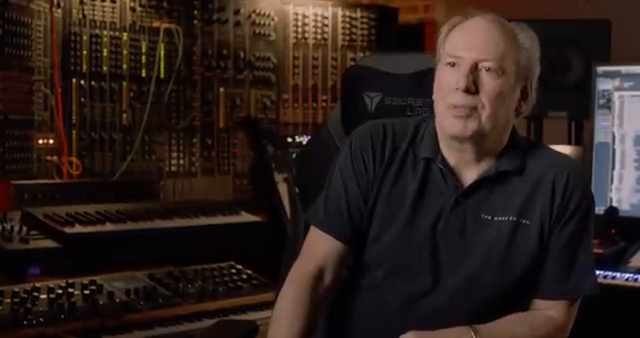
"Why can't we go and invent new things that don't remind us in a peculiar way of the past?"
© Screenshot/Quote: Expressivee (YouTube)
Expressive Control: Beyond Traditional Keyboards
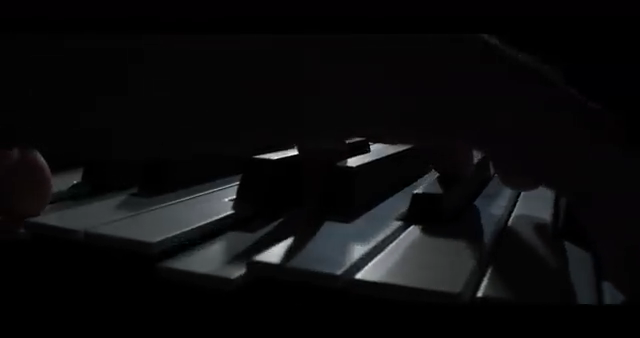
"When you touch the keyboard, it knows you're really touching the keyboard. Within that travel of that key, the sound can change completely."
© Screenshot/Quote: Expressivee (YouTube)
The Osmose’s key innovation, as highlighted in the video, is its ability to translate nuanced gestures into dynamic sonic changes. Unlike conventional keyboards that simply trigger static notes, Osmose senses the depth and movement of each key press, allowing performers to shape sound in real time. This includes techniques like vibrato achieved by wiggling keys side to side, and morphing timbres by varying pressure—capabilities that bring keyboard performance closer to the expressiveness of string or wind instruments.
This level of control is especially valuable in film scoring, where subtle shifts in emotion and atmosphere are crucial. The video demonstrates how Osmose’s tactile interface enables composers to react instantly to visual cues, maintaining spontaneity and emotional immediacy. Rather than relying on post-performance programming or deep menu diving, performers can manipulate sound parameters directly at their fingertips, fostering a more organic connection between musician and machine.
Zimmer’s Sonic Vision: Collaboration and Innovation
Hans Zimmer’s collaboration with Expressive E is presented as a catalyst for pushing the boundaries of film music. The video recounts how Zimmer, after encountering the Osmose, immediately recognized its potential and integrated multiple units into the Dune 2 production workflow. This partnership underscores the importance of having instruments that not only sound unique but also inspire new ways of playing and composing.
Zimmer’s team highlights how Osmose enabled them to create sounds that defy easy categorization—tones that feel both futuristic and organic, unfamiliar yet emotionally resonant. The instrument’s capacity for real-time modulation and its ability to mimic the nuances of human voice and acoustic instruments are repeatedly emphasized. This synergy between technological innovation and artistic intent is framed as essential for crafting a score that feels authentic to the world of Dune.
"It let us play the music of an imaginary future. And that was important to us."
© Screenshot/Quote: Expressivee (YouTube)
From Sound Manipulation to Sonic Storytelling
The heart of the video lies in demonstrations of how Osmose is used to manipulate and evolve sounds within complex filmic soundscapes. One standout example involves re-synthesizing vocal performances, allowing for seamless pitch shifts and timbral morphing across extended passages—something that would be impossible for a human singer. This capability is leveraged to create evolving vocal textures that underpin key scenes, maintaining a sense of humanity even as the sounds become increasingly abstract.
The video also details how Osmose’s expressive controls are mapped to parameters like volume, timbre, and rhythmic flow, all of which can be adjusted on the fly to match the emotional arc of a scene. Integration with resonators and acoustic elements further expands the palette, enabling the blending of electronic and physical sound sources. The team demonstrates how routing signals through different resonators—such as gongs or piano bodies—adds unique layers and spatial movement to the mix.
Ultimately, these techniques illustrate how Osmose serves not just as a performance instrument but as a compositional tool that invites experimentation. The ability to interact with sound in such a direct, tactile way encourages composers to explore new textures and structures, making the instrument a wellspring of inspiration for modern film scoring.
Imagining the Future of Film Scoring
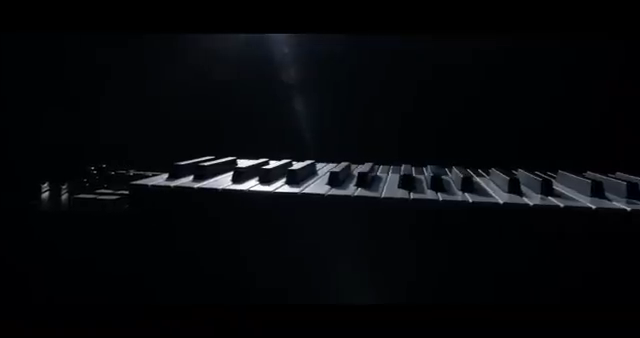
"I think this is an important instrument. It's an important step forward in what can become, you know, the history of 21st century music."
© Screenshot/Quote: Expressivee (YouTube)
The closing section of the video looks ahead, positioning Osmose as a pivotal instrument in the evolution of film music. Zimmer and his collaborators reflect on the significance of using tools that are not only technologically advanced but also capable of conveying deep emotion and storytelling. The Osmose is described as an instrument that could shape the history of 21st-century music, offering composers a means to express beauty, rage, and the full spectrum of human experience.
Expressive E’s narrative is clear: by building instruments that amplify the best of human creativity, they are contributing to a future where music remains a vital, expressive language. The video leaves viewers with a sense of optimism about the role of innovative hardware in both cinematic and broader musical contexts, suggesting that the journey of expressive electronic instruments is just beginning.
Watch on YouTube:
Latest articles
Watch on YouTube:
https://www.youtube.com/ExpressiveE
Links from ExpressiveE:
Sponsored links:
If you purchase via these links, we may earn a small commission – at no extra cost to you. The link opens an Amazon keyword search, and results may vary depending on availability.
🔗 Check price on Amazon