Expressive E’s Osmose isn’t just another synth—it’s a paradigm shift for lead and solo performance, as demonstrated in this creative tutorial featuring Piano Diary. The video explores how MPE (MIDI Polyphonic Expression) and nuanced gesture control turn the Osmose into an instrument that responds to every touch, bend, and slide. With a focus on customizable presets, modulation workflows, and a variety of expressive techniques, the tutorial offers a workflow-centric look at how digital architecture and physical interaction merge. If you’re curious about how digital synth design can empower truly expressive playing, this walkthrough is a must-watch.
4. November 2024
LYRA
Expressive E Osmose: Lead Performance Redefined – A Deep Dive into MPE Expression
First Impressions: Osmose as a Lead Instrument
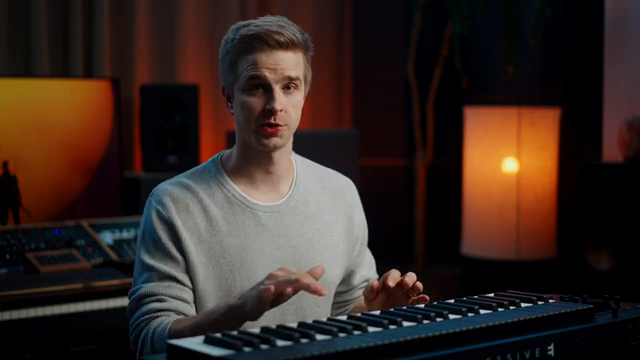
The tutorial opens with Piano Diary’s clear endorsement of the Osmose as a uniquely expressive synth for leads and solos. Rather than just showcasing presets, the focus is on how the instrument’s architecture and interface enable a new approach to melodic playing. The presenter immediately sets the stage for a workflow that’s about more than just notes—it’s about the gestures and control that make each phrase come alive.
We’re walked through the initial preset selection, with a preference for the “Nostalgia” patch. The process isn’t just about picking a sound; it’s about customizing it for expressive play. Adjustments include reducing the onboard echo, setting pitch bend ranges, and assigning the mod slider to cutoff. These tweaks are saved as a user preset, highlighting the Osmose’s flexible memory structure and the importance of tailoring the instrument to the player’s needs.
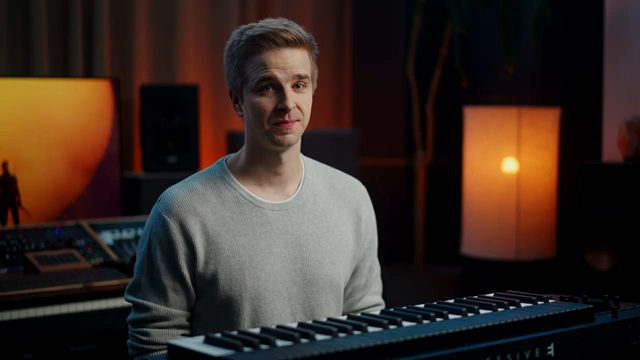
"I think the Osmos is the best synth and keyboard for playing leads and solos."
© Screenshot/Quote: Expressivee (YouTube)
Under the Hood: Preset Customization and MPE Power
The video quickly moves beyond surface-level sound tweaks, digging into how the Osmose’s architecture supports deep customization. The presenter demonstrates how to bypass internal effects in favor of DAW-based processing, running the synth through stereo delay and shimmer reverb for added depth. This workflow flexibility is crucial for integrating the Osmose into both studio and live rigs.
Key to the Osmose’s appeal is its MPE implementation. The tutorial highlights how assigning the mod slider to cutoff and fine-tuning pitch bend ranges allows for nuanced vibrato and dynamic control. The ability to save these configurations in user banks means players can recall their ideal setups instantly, making the instrument adaptable to different performance contexts.
Expressive Techniques: Pressure, Glide, and Bends Unleashed
"When I start soft, the vibrato is very slight. And when I press in, the vibrato gets stronger."
© Screenshot/Quote: Expressivee (YouTube)
This section is where the Osmose’s expressive capabilities truly shine. The presenter demonstrates foundational techniques like pressure-based dynamics, where volume and vibrato are controlled directly by finger pressure—no mod wheel or pedal required. This direct mapping of gesture to sound is a hallmark of MPE design, and the video makes clear how it transforms both subtle and dramatic phrasing.
Pressure glide is introduced as a game-changer for keyboardists, enabling guitar-like bends and slides that previously required complex hardware or exceptional skill. The tutorial walks through target note approaches, showing how sliding into notes from above or below adds organic phrasing reminiscent of string instruments. The ability to combine these gestures—pressure, glide, and vibrato—creates a palette for truly nuanced solos.
The video then explores a variety of bend techniques, including the use of the pitch slider for slow, controlled bends and double bends that mimic guitar heroics. The presenter emphasizes how these techniques can be layered, allowing for expressive releases, melancholic bends, and even rhythmic effects. It’s a masterclass in how digital architecture and physical interface can merge to serve musical expression.
Creative Workflows: Combining Gestures for Maximum Expression
The final section shifts from technique to philosophy, with the presenter reflecting on how the Osmose has changed their approach to lead playing. The instrument’s ability to sustain a single note and make it sing, weep, or groove is highlighted as a major departure from traditional keyboards, which often fall short in delivering nuanced control.
The tutorial closes with an encouragement to experiment—combining pressure, glide, bends, and effects to find unique expressive voices. The Osmose’s intuitive response to touch and its capacity for deep customization make it a powerful tool for anyone seeking to push the boundaries of digital performance. The closing solo examples underscore that, with the right gestures and workflow, the Osmose becomes more than a synth: it’s a true expressive instrument.
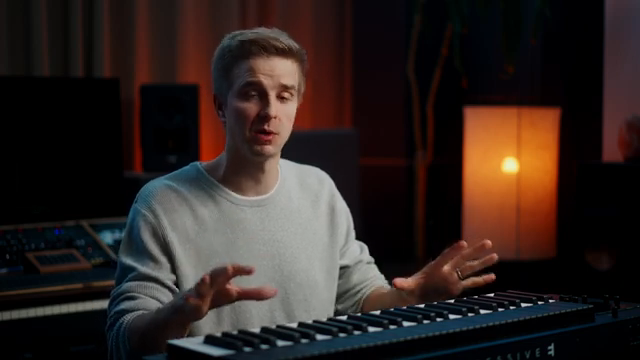
"The first time I powered it on and played, like, it reads your mind, it's super intuitive to play."
© Screenshot/Quote: Expressivee (YouTube)
This article is also available in German. Read it here: https://synthmagazin.at/expressive-e-osmose-lead-performance-neu-definiert-ein-deep-dive-in-mpe-expression/
Watch on YouTube:
Latest articles
Watch on YouTube:
Visit the channel:
https://www.youtube.com/ExpressiveE
https://www.youtube.com/ExpressiveE
Links from ExpressiveE:
Sponsored links:
If you purchase via these links, we may earn a small commission – at no extra cost to you. The link opens an Amazon keyword search, and results may vary depending on availability.
Expressive E Osmose
🔗 Check price on Amazon
🔗 Check price on Amazon