Expressive E’s Osmose takes center stage in this in-depth creative tutorial, where film composer Josh Madoff demonstrates how this MPE powerhouse can transform the art of scoring for film and video games. The video dives into the hybrid workflow of electronic and orchestral textures, showing how nuanced control and performance gestures translate into cinematic energy. From gritty bass pulses to lush string layers, the Osmose’s sound engine and expressive capabilities are put to the test in a cyberpunk chase scene scenario. If you’re curious about how digital expressivity and hands-on control can streamline your scoring process, this walkthrough is a must-watch.
19. December 2024
LYRA
Expressive E Osmose: Film Scoring in the Fast Lane
Osmose in the Spotlight: A Scoring Synth for the Modern Composer
The tutorial opens with film composer Josh Madoff setting the stage for a hands-on exploration of the Expressive E Osmose as a film scoring instrument. Rather than relying on pre-prepared material, Madoff lets a randomly generated prompt dictate the creative direction—a cyberpunk chase through a neon-lit metropolis. This approach immediately frames the Osmose as a tool for spontaneous, expressive composition, not just a preset machine.
The video’s premise is clear: can the Osmose, with its blend of digital sound engine and advanced MPE control, deliver the tension, urgency, and hybrid textures demanded by cinematic scoring? Madoff’s workflow is intentionally unfiltered, highlighting the instrument’s ability to react to creative impulses and translate them directly into music, a quality that’s essential for modern composers working under tight deadlines.
MPE Unleashed: Expressivity at Your Fingertips
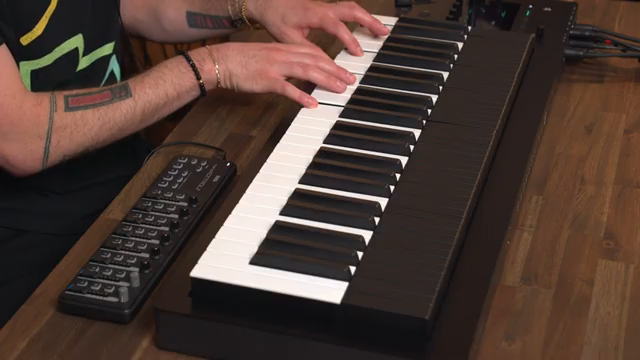
A core theme throughout the video is the Osmose’s deep integration of MIDI Polyphonic Expression (MPE), which allows for per-note control over parameters like pressure, pitch, and timbre. Madoff demonstrates how subtle changes in touch can morph a sound from gentle ambience to aggressive distortion, all without reaching for a knob or menu. This tactile approach is not just a technical novelty—it’s a genuine workflow enhancer, letting composers shape evolving textures in real time.
The sound engine’s flexibility is showcased through the use of arpeggiators, wavefolding distortion, and gain staging, all modulated by the performer’s gestures. The ability to start with a soft pulse and gradually intensify it with pressure alone is a recurring motif, underscoring how the Osmose’s architecture is built for nuanced, cinematic dynamics. For anyone used to laborious automation lanes or static MIDI programming, this level of immediacy is a revelation.
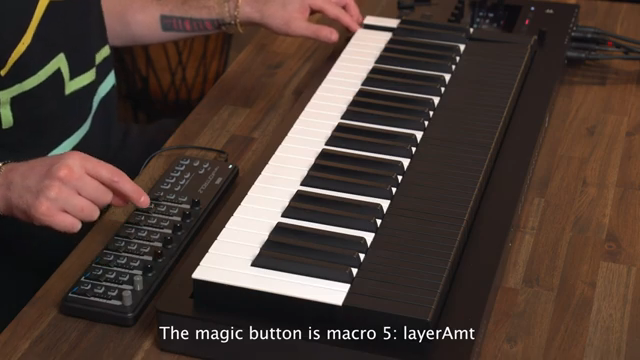
"Basically between my ability to start really gentle and then gradually through the course of the cue, just turn this up."
© Screenshot/Quote: Expressivee (YouTube)
Building a Cyberpunk Chase: Workflow in Action
"There's a whole universe that exists between nothing and like a centimeter."
© Screenshot/Quote: Expressivee (YouTube)
Madoff walks through the process of scoring a high-energy chase, layering sounds and performance techniques to mirror the evolving tension of the scene. He begins with a gritty bass pulse, using the arpeggiator and pre-gain tricks to sculpt a driving foundation. The workflow is iterative: sounds are tweaked on the fly, with gain and distortion settings dialed in to taste, and the arpeggiator’s chord mode used to humanize and intensify the harmonic content.
Percussive elements are crafted from scratch, with Madoff leveraging the Osmose’s sensitivity settings to create dynamic, heartbeat-like drums and rhythmic accents. The approach is hands-on and performance-driven—rather than sequencing every nuance, he samples different pressure levels and lines them up, capturing the organic variability of live playing. This section also highlights the value of happy accidents, as unexpected finger movements or pressure changes lead to new sonic directions.
As the cue develops, lead lines and plucky synths are layered in, often played simultaneously thanks to the Osmose’s multi-gesture capabilities. Madoff notes how this mirrors the sketching process at a piano, but with the added dimension of digital sound design. The workflow is fluid, encouraging experimentation and quick iteration—qualities that are often elusive in traditional DAW-based scoring.
Sonic Layers: From Bass Pulses to Percussive Energy
The tutorial emphasizes the importance of layering in film scoring, with the Osmose providing a palette that ranges from deep, distorted basses to shimmering arpeggiated chords and intricate percussion. Each layer is shaped by performance gestures—pressure, aftertouch, and velocity—resulting in textures that evolve organically over time. This approach keeps the energy of the scene alive, allowing for real-time builds and breakdowns without resorting to static automation.
Madoff’s use of the arpeggiator in chord and octave modes, combined with pressure-sensitive sound design, demonstrates how the Osmose can generate both rhythmic drive and atmospheric color. The result is a score that feels alive and responsive, with each sonic element contributing to the overall momentum and emotional arc of the chase sequence.
Orchestral Integration: Dynamic Expression Beyond the Synth Engine
In a standout segment, Madoff connects the Osmose to Spitfire Chamber Strings, transforming a monophonic sample library into a multi-channel, MPE-enabled orchestral instrument. By mapping pressure and aftertouch to dynamics and volume, he achieves per-note expressive control that’s typically reserved for high-end, dedicated controllers. This setup allows for nuanced performances—gentle swells, tremolos, and staccatos—that respond to the lightest touch or the most forceful press.
The integration isn’t just a technical flex; it’s a practical workflow upgrade for composers who want to blend electronic and orchestral elements seamlessly. Madoff demonstrates how the Osmose’s sensitivity settings and multi-channel MIDI output can breathe new life into existing libraries, making them feel more like real instruments and less like static samples. The final touches—subtle string layers from the internal engine and a sustained note to close—highlight the instrument’s versatility and its potential as a central hub in a modern scoring setup.
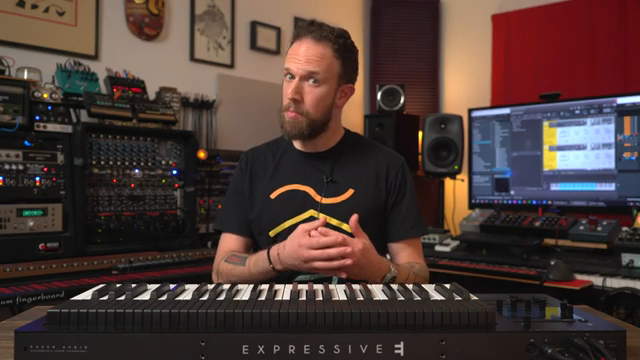
"Now I've taken a non-MPE monophonic sample library and turned it into an eight-voice MPE monster with independent control per note."
© Screenshot/Quote: Expressivee (YouTube)
This article is also available in German. Read it here: https://synthmagazin.at/expressive-e-osmose-filmscoring-auf-der-ueberholspur/
Watch on YouTube:
Latest articles
Watch on YouTube:
Visit the channel:
https://www.youtube.com/ExpressiveE
https://www.youtube.com/ExpressiveE
Links from ExpressiveE:
Sponsored links:
If you purchase via these links, we may earn a small commission – at no extra cost to you. The link opens an Amazon keyword search, and results may vary depending on availability.
Expressive E Osmose
🔗 Check price on Amazon
🔗 Check price on Amazon
Spitfire Chamber Strings
🔗 Check price on Amazon
🔗 Check price on Amazon