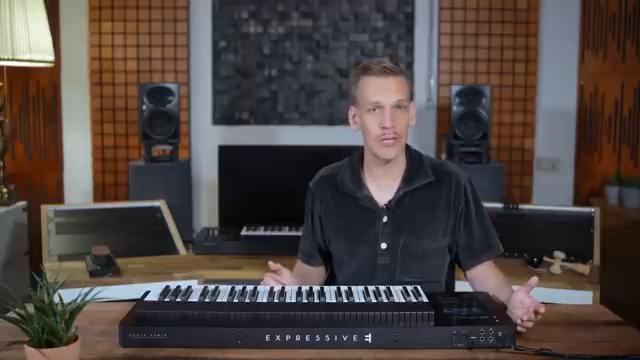
Expressive E’s Osmose was already a standout in the MPE synth landscape, but the 2.0 firmware update takes its workflow and performance flexibility to a new level. In this official walkthrough, Expressive E highlights seven major features that sharpen preset management, expand MIDI control, and deepen expressive possibilities—especially for those integrating Osmose into complex studio or live rigs. From a revamped preset browser to advanced external MIDI tricks, the update is clearly aimed at making the Osmose not just more powerful, but more playable and adaptable. Let’s break down what’s new, what’s improved, and how these changes might reshape your Osmose experience.
5. September 2024
LYRA
Expressive E Osmose 2.0: Seven Ways This Firmware Update Rewrites the Playbook
A Major Leap: Osmose 2.0’s Architectural Overhaul
Expressive E’s Osmose 2.0 firmware update isn’t just a minor tweak—it’s a substantial rethinking of how the instrument fits into both studio and stage workflows. The update introduces a suite of features that address long-standing user requests, particularly around preset management and external MIDI control. The video wastes no time in emphasizing that these changes are designed to make the Osmose more adaptable for a wide range of creative contexts, from live performance to project-based sound design.
One of the most notable aspects is how the update bridges the gap between the internal sound engine and external MIDI modes. Features that were previously siloed are now available across both domains, making the Osmose a more unified and versatile tool. This architectural shift signals Expressive E’s commitment to making the instrument not just expressive in terms of playability, but also in terms of integration and workflow.

"We've revamped the preset browser and added popular features to the external MIDI mode that were formerly only available to the internal sound engine mode."
© Screenshot/Quote: Expressivee (YouTube)
Preset Power: Favorites, Playlists, and a Smarter Browser
"You can now create playlists to prepare presets for easy recall during a live concert or to make a theme-based preset collection for a project you're working on."
© Screenshot/Quote: Expressivee (YouTube)
The ability to mark presets as favorites is a deceptively simple feature that can have a major impact on day-to-day use. With a quick click, users can now star their go-to sounds, making them instantly accessible via a dedicated filter. This is a clear nod to real-world performance needs, where speed and reliability matter more than ever.
Playlists take this a step further, allowing users to organize presets into themed collections for gigs or specific projects. The new browser interface supports up to 30 playlists, each with 128 slots, and includes move and remove functions for flexible setlist management. The update also brings a unified navigation tab where user and factory presets coexist, and a new bank filter streamlines access. Perhaps most significant from a digital architecture standpoint: presets are now stored on the main board, expanding total capacity to over 2000 slots and ensuring that custom sensitivity and performance settings travel with each patch.
Performance on Command: MIDI Program Changes and Beyond
For those integrating Osmose into larger MIDI setups, the new program change implementation is a game-changer. Users can now switch presets and playlists remotely via standard MIDI messages, making it possible to automate sound changes from a DAW or external controller. The process is straightforward: long-press a preset to view its bank and program number, then set your external device accordingly.
This streamlined approach extends to playlists, where bank select and program change messages can instantly recall any slot. The update’s focus on external MIDI control reflects a growing demand for instruments that can fluidly shift roles in hybrid hardware/software environments. By making preset switching both transparent and robust, Osmose 2.0 positions itself as a serious contender for live and studio setups that demand tight integration.
Expressive MIDI: Press Glide and MPE Arpeggiator in External Mode
Osmose’s reputation for nuanced expression gets a significant boost in external MIDI mode with the addition of Press Glide and the MPE arpeggiator. Press Glide, previously limited to the internal engine, now works with any external MPE synth or DAW, translating pressure gestures into dynamic pitch glides. Users can set the maximum interval for glides, and the system responds to pressure distribution between keys, enabling seesaw-like pitch transitions that are both intuitive and deeply expressive.
The MPE arpeggiator is another highlight, bringing per-note articulation to external gear. Each note in an arpeggiated pattern can be shaped individually with pressure and pitch bends, and parameters like octave and ratcheting can be modulated in real time. Notably, the arpeggiator remains lively even with non-MPE legacy instruments, thanks to Osmose’s next-gen keybed. These additions make the Osmose a formidable controller for both modern and classic synth environments.

"Harken Audio's popular pressure weighted portamento, short press glide, is now available in external MIDI mode as well."
© Screenshot/Quote: Expressivee (YouTube)
Update Made Easy: Getting Osmose 2.0
Expressive E has kept the update process refreshingly simple for registered users. The firmware is available in the user’s Expressive E account under downloads and serials, with separate ZIP files for Windows, Intel Macs, and Apple Silicon machines. Each package includes a PDF with detailed installation instructions, ensuring that even those new to firmware updates can get up and running with minimal hassle.
This article is also available in German. Read it here: https://synthmagazin.at/expressive-e-osmose-2-0-sieben-wege-wie-dieses-firmware-update-das-konzept-neu-definiert/
Watch on YouTube:
Latest articles
Watch on YouTube:
Visit the channel:
https://www.youtube.com/ExpressiveE
https://www.youtube.com/ExpressiveE
Links from ExpressiveE:
Sponsored links:
If you purchase via these links, we may earn a small commission – at no extra cost to you. The link opens an Amazon keyword search, and results may vary depending on availability.
Expressive E Osmose
🔗 Check price on Amazon
🔗 Check price on Amazon