Ready to slap your tracks with that classic 80s synth brass punch? Espen Kraft dives into the world of pitch bump attacks, showing off how five different synths can deliver that unmistakable smack. If you think all brass patches are born equal, think again—Espen’s got tricks up his sleeve and envelopes to tweak. Expect a no-fluff, hands-on tour through pitch envelopes, detuned oscillators, and some tasty hardware flexing. This isn’t just another preset scroll—get ready for a synth brass bootcamp, Kraft-style.
13. January 2026
SPARKY
Espen Kraft’s Pitch Bump Brass: Five Synths, One Fat Attack
Arturia Jupiter-8, Arturia OP-XA V, Arturia Prophet 5, OB-Xd, PG-8X VST, Roland Jupiter-8, Roland JX-8P
Pitch Bump: The Brass Knuckle Sandwich
Espen Kraft kicks things off by dissecting that iconic, fat synth brass sound—the one with a cheeky pitch wobble at the start, just like a trumpet player flexing their lips. Forget flat, lifeless attacks; this is about adding movement and attitude right at the front of the note. The secret sauce? A pitch envelope, dialled in to give your brass that signature bump.
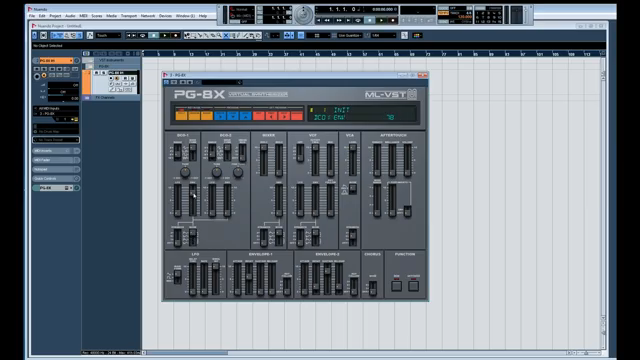
He starts with a scratch patch on a Roland JX-8P (well, the PG-8X VST version), showing how envelope one can modulate the pitch of oscillator one. By cranking the envelope amount and tweaking the decay, you get that short, punchy pitch drop that sets the tone apart. It’s all about balancing the decay time and envelope amount to taste, so your brass hits with just the right amount of swagger.
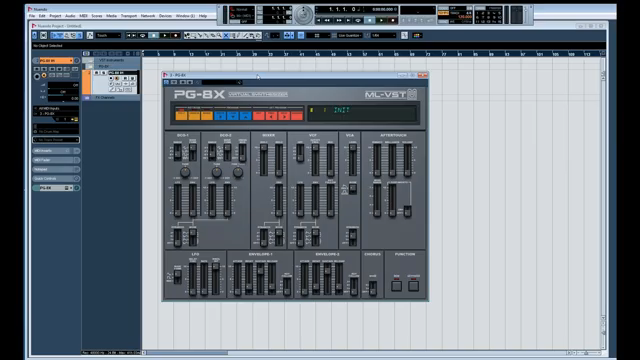
"We can do that on synth brass by using something called a pitch envelope."
© Screenshot/Quote: Espenkraft (YouTube)
Envelope Mayhem: Trumpet Tricks for Synth Geeks
The core technique here is using a pitch envelope to mimic the natural attack of a brass instrument. By letting the pitch start high (or low, if you’re feeling spicy) and settle quickly, you get a sound that’s way more alive than your average static patch. Espen’s approach is all about using the envelope’s decay to control how long that bump lasts—short for a quick slap, longer for a more dramatic swoop. It’s a classic trick, but when done right, it turns any synth into a brass-wielding street weapon.
Five Synths Enter: Who Bumps Best?
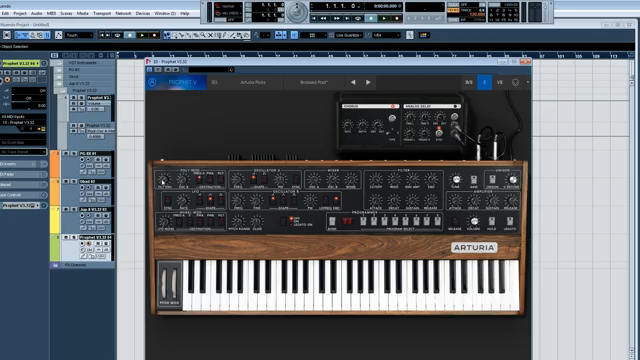
"You adjust it to taste."
© Screenshot/Quote: Espenkraft (YouTube)
Espen doesn’t just stick to one synth—he drags five into the ring. The JX-8P/PG-8X gets things rolling, but then it’s on to the OB-Xd (Oberheim XA emulator), where the pitch envelope lives under oscillator two and the decay knob does the heavy lifting. Each synth has its quirks, but the core idea stays the same: envelope modulates pitch, and you dial in the decay for flavour.
The Arturia Jupiter-8, Prophet 5, and OP-XA V all get their moment in the spotlight. The Prophet 5 uses Poly Mod to route the filter envelope to oscillator frequency, while the OP-XA V hides its pitch envelope magic in the advanced modulation section. Espen shows how to set up each one, but doesn’t get bogged down in menu-diving—he’s all about results. If you want every knob-turn and click, you’ll have to watch the video and see these synths flex in real time.
Positive or Inverted? Flip Your Envelope, Flip Your Sound
One of Espen’s key points: don’t just stick to a positive envelope (pitch from above)—try inverting it so the bump comes from below. Both approaches can sound fat, and which one you use depends on the vibe you’re after. Some synths make this easy, others hide it in menus, but the payoff is worth the hunt. Experimentation is the name of the game, and Espen encourages you to twist those envelopes until your brass stabs punch through the mix like a rave siren in a library.
"To get that classic pitch bump it's better in my opinion to have it coming from the top."
© Screenshot/Quote: Espenkraft (YouTube)
Don’t Just Read—Watch It Bump!
Let’s be real: words and screenshots don’t do these pitch bumps justice. Espen wraps up by urging viewers to check out the full video for the real sonic fireworks. The bonus clip of the hardware Jupiter-8 in action is pure synth-porn—if you want to hear how these envelopes actually smack, you’ll need to watch (and listen). This is one of those tricks that’s better felt than explained, so fire up the video and let your speakers take the hit.
This article is also available in German. Read it here: https://synthmagazin.at/espen-krafts-pitch-bump-brass-fuenf-synths-ein-fetter-attack/
Watch on YouTube:
Latest articles
Watch on YouTube:
Visit the channel:
https://www.youtube.com/EspenKraft
https://www.youtube.com/EspenKraft
Links from EspenKraft:
Instagram: https://instagram.com/espenkraft
Sponsored links:
If you purchase via these links, we may earn a small commission – at no extra cost to you. The link opens an Amazon keyword search, and results may vary depending on availability.
Arturia Jupiter-8
🔗 Check price on Amazon
🔗 Check price on Amazon
Arturia OP-XA V
🔗 Check price on Amazon
🔗 Check price on Amazon
Arturia Prophet 5
🔗 Check price on Amazon
🔗 Check price on Amazon
OB-Xd
🔗 Check price on Amazon
🔗 Check price on Amazon
PG-8X VST
🔗 Check price on Amazon
🔗 Check price on Amazon
Roland Jupiter-8
🔗 Check price on Amazon
🔗 Check price on Amazon
Roland JX-8P
🔗 Check price on Amazon
🔗 Check price on Amazon