Espen Kraft, the synth sorcerer of 80s nostalgia, steps out of the studio shadows and into the live arena. This time, he’s prepping for a Joe Satriani-fuelled blues-rock gig, and he’s letting us peek behind the curtain as he dials in his rig and mindset. Forget hauling a B3 up the fire escape—Espen’s all about keeping it light, clever, and gig-proof. If you want to know how a seasoned keyboardist survives the chaos of a new band, this is your backstage pass. Spoiler: there’s no room for ego, but plenty for a battered Alpha Juno 2.
28. January 2026
SPARKY
Espen Kraft’s Minimalist Gig Prep: From Rehearsal to Rave Bunker
Emagic MT4 MIDI Interface, Korg TR-Rack, MacBook Air M1, Mainstage, Roland Alpha Juno 2, X-Session MIDI CC Controller, Zoom H6
From Couch to Kulturhuset: Why Bother?
Espen Kraft isn’t just dusting off his synths for nostalgia’s sake—he’s answering the call of a mate and shaking off two decades of live gig rust. The video kicks off with Espen explaining why he’s stepping back onto the stage, and it’s not for the glory or the rider. It’s about returning favours, chasing that irreplaceable live buzz, and pushing himself out of the comfort zone. Sometimes, you just need to swap the studio slippers for gig boots and see what happens.
But this isn’t just any covers night at the local pub. The setlist is a Joe Satriani tribute, with the guitarist front and centre, and Espen’s job is to support, not overshadow. The pressure’s real: new band, new material, and the challenge of fitting in without stepping on toes. If you’re expecting tales of rockstar excess, look elsewhere—this is about the grind, the nerves, and the thrill of making it work on stage.
Rigging for Survival: The Minimalist’s Arsenal
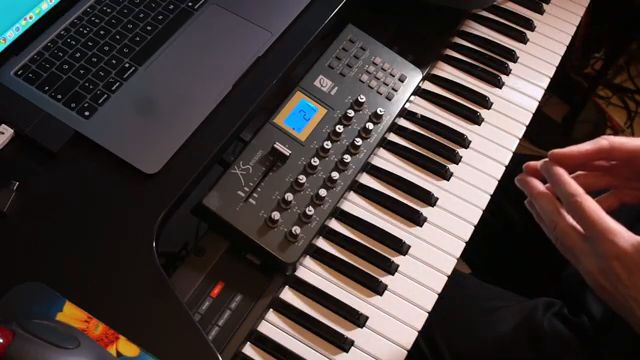
Let’s get one thing straight: Espen’s not about to drag a Hammond B3 up three flights of stairs for a one-off gig. His weapon of choice? The Roland Alpha Juno 2 as a master keyboard—light, portable, and with keys that don’t feel like cheap plastic. The rest of the setup is pure efficiency: MacBook Air M1 running Mainstage, a physical MIDI controller for hands-on tweaks, and a Zoom H6 to keep the audio clean. No room for vintage purism here—just tools that work and won’t break your back.
Espen’s approach is all about keeping the setup lean but flexible. Three core sounds—B3 organ, a split brass/organ patch, and a soft pad—cover all the bases, with minimal patch changes and just enough control to keep things lively. He’s even got a Korg TR-Rack stashed as a backup in case the laptop throws a wobbly. It’s not about looking cool—it’s about surviving the gig and getting the job done without a hernia. If you want to see how he dials in the sounds and rides the Mainstage interface, the video’s where the magic happens.
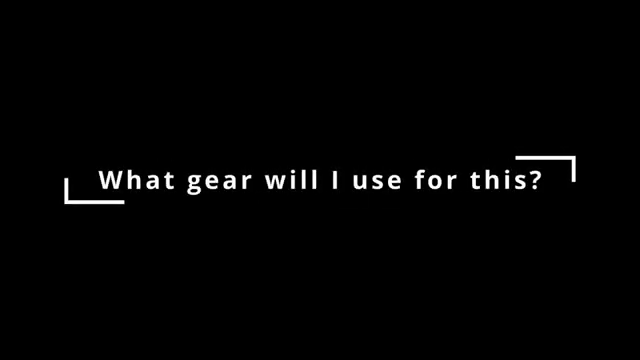
"For this one gig I want to travel as light as possible."
© Screenshot/Quote: Espenkraft (YouTube)
Keys in the Shadows: Knowing When to Play (and When to Shut Up)
"He's given me carte blanche to come up with a keyboard part that will augment enhance the overall experience for the listener and that will augment his playing."
© Screenshot/Quote: Espenkraft (YouTube)
Espen lays it out: being the keyboardist in a guitar-centric band means knowing your place. He’s got carte blanche to add colour and counterpoint, but the real skill is in restraint. Sometimes, the best move is to lay out and let the guitar breathe. It’s not about flexing every synth patch you’ve got—it’s about serving the song, not your ego.
He walks through his process: transcribing chords, figuring out where to add pads or harmonies, and—crucially—leaving space. It’s a balancing act between filling out the sound and not muddying the mix. Espen’s philosophy? Taste over flash. If you’re the type who thinks every gap needs a solo, this video’s a lesson in musical discipline.
Setlist Surgery: Rock, Blues, and Keyboard Alchemy
The real meat of the video is Espen’s breakdown of specific songs from the setlist. He starts with a slow, atmospheric number, showing how he uses soft pads and careful chord inversions to add depth without stepping on the guitar’s toes. It’s all about subtlety—sometimes just two notes, sometimes a gentle counter-melody. He even explains how using different chord inversions from the guitarist keeps things interesting and avoids that dreaded sonic mush.
Then it’s on to the fast blues/rock territory, where the temptation to go full Jon Lord is strong. Espen resists, holding back the big organ riffs until the right moment and keeping his parts tight and supportive. He demonstrates how less is often more—especially when the guitarist is meant to be the star. There’s a lot of talk about leaving space, building up gradually, and only unleashing the keyboard firepower when the song really calls for it.
If you want to see the actual patches, hear the riffs, or watch Espen’s hands in action, you’ll have to check the video. There’s only so much keyboard wizardry you can describe before you need to hear it for yourself.
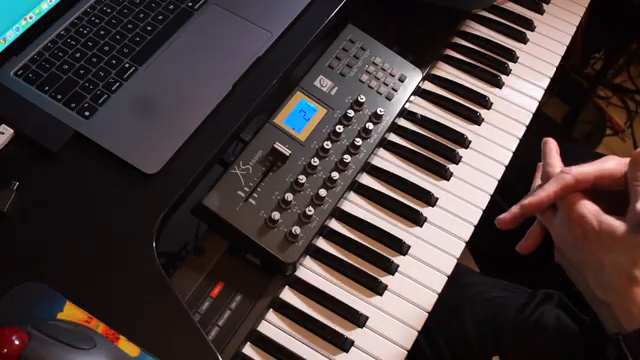
"If you both end with the same top note or the the same chord inversion it can sound a little bit boring so to speak the ear picks up on that."
© Screenshot/Quote: Espenkraft (YouTube)
Live Wires and New Blood: The Joy (and Terror) of the First Gig
Wrapping up, Espen gets real about the mix of excitement and nerves that comes with joining a new band. It’s not just about nailing the notes—it’s about reading the room, adapting on the fly, and finding your place in a new musical tribe. Every rehearsal is a step closer to that first hit of stage adrenaline.
He’s honest about the work still to do—finessing parts, rehearsing, and making sure he doesn’t trip over his own cables. But the payoff? That rush when it all clicks live. If you’re in Norway and fancy seeing a synth guy hold his own in a blues-rock bunker, you know where to be. For the rest of us, Espen’s video is a masterclass in keeping it cool, prepared, and just a little bit dangerous.
This article is also available in German. Read it here: https://synthmagazin.at/espen-krafts-minimalistischer-gig-check-vom-proberaum-direkt-in-den-rave-bunker/
Watch on YouTube:
Latest articles
Watch on YouTube:
Visit the channel:
https://www.youtube.com/EspenKraft
https://www.youtube.com/EspenKraft
Links from EspenKraft:
Instagram: https://instagram.com/espenkraft
Sponsored links:
If you purchase via these links, we may earn a small commission – at no extra cost to you. The link opens an Amazon keyword search, and results may vary depending on availability.
Emagic MT4 MIDI Interface
🔗 Check price on Amazon
🔗 Check price on Amazon
Korg TR-Rack
🔗 Check price on Amazon
🔗 Check price on Amazon
MacBook Air M1
🔗 Check price on Amazon
🔗 Check price on Amazon
Mainstage
🔗 Check price on Amazon
🔗 Check price on Amazon
Roland Alpha Juno 2
🔗 Check price on Amazon
🔗 Check price on Amazon
X-Session MIDI CC Controller
🔗 Check price on Amazon
🔗 Check price on Amazon
Zoom H6
🔗 Check price on Amazon
🔗 Check price on Amazon