Elektron’s Digitone II isn’t just another FM groovebox—it’s a deep, performance-ready drum machine that blurs the line between percussive punch and melodic finesse. In their latest official walkthrough, Elektron’s channel dives into the FM Drum engine, revealing a three-operator structure with envelopes, wave folding, and a host of modulation tricks. This video doesn’t just skim presets: it systematically explores every parameter, showing how the Digitone II’s digital architecture empowers nuanced sound design for both studio and live workflows. For those obsessed with FM’s potential for rhythmic and tonal complexity, this is a must-watch breakdown from the source.
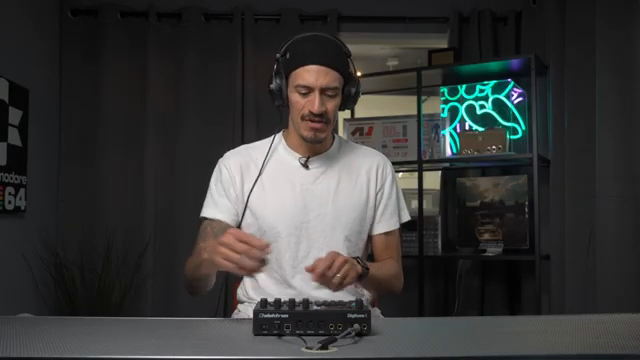
Digitone II: Beyond Percussion, Into Melodic FM
Elektron positions the Digitone II as more than just a drum machine—this is an FM powerhouse designed to handle both percussive and melodic duties. The FM Drum engine, accessible via the SYN page, is introduced as a flexible tool for crafting everything from classic drum hits to lush pads. The video’s host makes it clear that while the focus is on rhythm, the architecture is open-ended enough to support a wide sonic palette.
The walkthrough begins with a practical demonstration of how to select the FM Drum machine and hints at its versatility. The three-operator FM core is highlighted, with the presenter noting personal success in creating not just drums but also pads and melodic textures. This sets the stage for a deep dive into the architecture, promising a parameter-by-parameter exploration rather than a superficial preset tour.
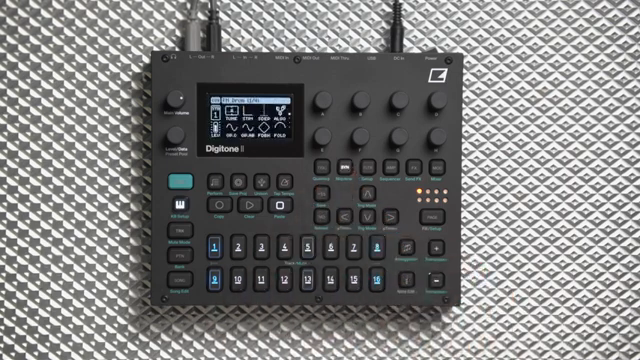
"FM drum was designed for percussive and melodic sounds, but I have made some pretty crazy pads with it too."
© Screenshot/Quote: Weareelektron (YouTube)
Three Operators, Envelopes, and Modulation: The Core Features
"Algorithm and this will select the structure of how the three operators are connected and how they modulate each other."
© Screenshot/Quote: Weareelektron (YouTube)
At the heart of Digitone II’s FM Drum engine lies a triad of operators, each with its own envelope and waveform selection. The video methodically walks through the first parameter page, where tuning, sweep time, and sweep depth define the initial character of the sound. Sweep parameters allow for dynamic pitch modulation, crucial for snappy drum attacks or evolving melodic lines.
Algorithm selection is another key feature, letting users rewire how operators interact—whether through serial, parallel, or feedback configurations. Each operator is visually represented with a letter, and the video encourages users to study these diagrams to understand modulation flow. Wave folding, applied to the body of the sound, adds further harmonic complexity, while feedback controls let users dial in anything from subtle grit to aggressive digital edge.
Operators Meet Noise and Transients: Building Complex Timbres
The demonstration moves beyond operator tweaking to show how Digitone II’s FM Drum engine integrates noise and transient circuits. The architecture is split into three main components: the FM operator body, a dedicated noise generator, and a transient circuit. Each of these elements can be shaped independently, allowing for intricate layering and hybrid drum textures.
Envelope controls for both the body and noise sections enable precise sculpting of attack, hold, and decay phases. The phase reset parameter for operator C is particularly useful for ensuring consistent drum hits, while noise reset ensures repeatable noise textures—almost sample-like in their reliability. The video also covers ring modulation, where operator C can modulate the noise, opening up metallic and experimental timbres. This modular approach to sound construction is a hallmark of Elektron’s design philosophy.
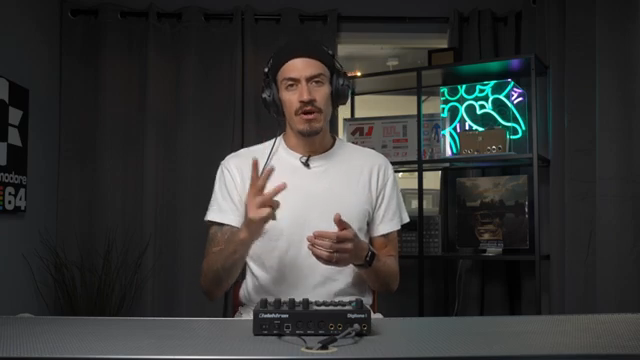
"FM drum is made up of three main parts."
© Screenshot/Quote: Weareelektron (YouTube)
Parameter Play: Creative Workflows and Unique Drum Textures
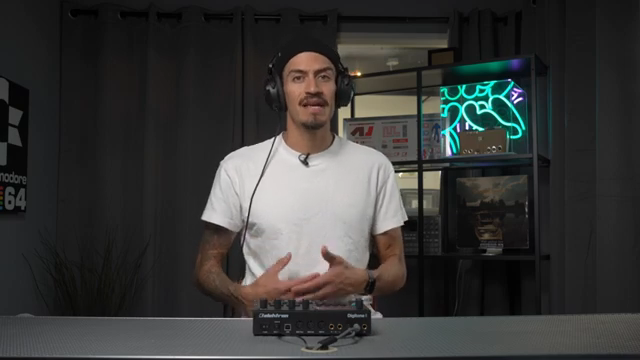
"This is super useful when creating big kicks or adding some crunch to melodic tones."
© Screenshot/Quote: Weareelektron (YouTube)
The final section is all about hands-on sound design and workflow tips. The presenter demonstrates how manipulating parameters like sweep, algorithm, and phase control can yield a vast array of drum sounds, from punchy kicks to glitchy, evolving textures. The transient selector is highlighted as a tool for dialing in different attack characteristics, essential for tailoring drum sounds to specific genres or performance needs.
Noise grain and base width filtering are shown as creative tools for shaping the spectral content of the noise and transient layers. The video emphasizes that by combining these controls, users can move far beyond standard drum synthesis into the territory of unique, signature sounds. Elektron’s interface design—four parameter pages, logical grouping, and visual feedback—supports a workflow that’s both deep and immediate, making the Digitone II a compelling choice for digital percussion architects.
This article is also available in German. Read it here: https://synthmagazin.at/elektron-digitone-ii-fm-drum-machine-architektur-entschluesselt/
Watch on YouTube:
Latest articles
Watch on YouTube:
Visit the channel:
https://www.youtube.com/WeAreElektron
https://www.youtube.com/WeAreElektron
Links from WeAreElektron:
website: https://www.elektron.se
twitter: https://twitter.com/WeAreElektron
facebook: https://www.facebook.com/WeAreElektron
instagram: https://instagram.com/weareelektron
Sponsored links:
If you purchase via these links, we may earn a small commission – at no extra cost to you. The link opens an Amazon keyword search, and results may vary depending on availability.
Digitone II
🔗 Check price on Amazon
🔗 Check price on Amazon