If you reckon synths should sound like a robot’s fever dream after a night on the town, DivKid’s latest dive into the Luna from Neutral Labs is your ticket to sonic mayhem. Forget polite pianos and safe presets—this beast is all about Boolean logic, raw digital chaos, and rhythms that punch harder than a kangaroo on a trampoline. DivKid’s signature style—equal parts nerdy, cheeky, and hands-on—guides us through why Lunetta synths matter, and how Luna brings this wild DIY tradition into the modern modular world. Grab your headphones and maybe a fire extinguisher, because things get crunchy, noisy, and gloriously unpredictable.
3. March 2026
TAS
DivKid Unleashes Luna: Lunetta Synthesis Goes Full Mad Scientist
Boolean Mayhem: Lunetta Synthesis Explained
Let’s kick things off with a synth philosophy that’s as far from your grandma’s organ as you can get. Lunetta synthesizers, named after Stanley Lunetta, are all about digital logic chips—CMOS, if you’re keen—rather than the usual analog suspects. Instead of keyboards and sequencers, these quirky beasts use Boolean logic to spit out abstract rhythms, erratic noise, and the kind of electronic racket that’d make a possum run for cover.
The whole point? Experimentation, mate. Lunettas are DIY at heart, built for sonic sculpting rather than polite melodies. They’re the audio equivalent of a backyard BBQ gone off the rails—unpredictable, messy, and absolutely brilliant if you’re up for a bit of chaos. If you’re after traditional tunes, you’ll probably want to look elsewhere. But if you fancy your soundscapes wild and your rhythms unruly, you’re in the right paddock.
Luna: The Lunetta Goes Pro
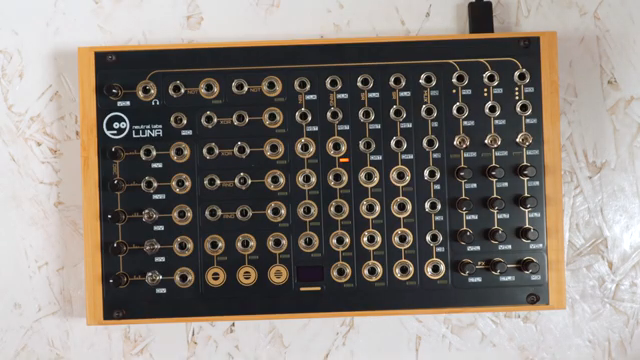
Neutral Labs have taken the Lunetta concept and given it a proper Aussie makeover—rugged, flexible, and ready for the big leagues. Luna isn’t just another DIY box; it’s the world’s first commercially available Lunetta synth, available as a standalone unit, a Eurorack module, or even a DIY kit if you’re feeling handy. No more breadboards and dodgy soldering jobs—this thing’s built to survive a festival dust storm.
Luna packs in modern features like MIDI, digital control, and a menu system that’s deliberately minimal so you can focus on patching and playing, not menu diving. Everything’s right on the panel, letting you rewire the synth’s brain on the fly. It’s a weaponised instrument of sonic confusion, as Neutral Labs puts it, and it’s got enough grit and flexibility to keep even the most jaded noise-heads entertained for ages.
"Luna is a weaponised instrument of sonic confusion."
© Screenshot/Quote: Divkid (YouTube)
Rhythm as Timbre, Timbre as Rhythm: Luna’s Sonic Playground
"Rhythm is timbre, timbre is rhythm, and in the world of Luna, there's no difference between what is used for sequencing or for audio."
© Screenshot/Quote: Divkid (YouTube)
Here’s where Luna flips the script: in this box, rhythm and timbre are two sides of the same battered coin. You can use the same logic circuits for sequencing as you do for audio, blurring the lines until you’re not sure if you’re making beats or mangling waveforms. It’s like a surf wipeout where you’re not sure if you’re up or down, but you’re loving every second.
With five oscillators, a logic section (NOT, AND, XOR gates), shift registers, counters, and a multiplexer, Luna lets you sculpt sound and rhythm in ways that’d make a maths teacher weep. The lowpass gates and effects section add extra spice—think crunchy delays, lo-fi reverbs, and tilt filters that’ll turn your blips into industrial soundtracks. It’s a playground for anyone who wants to break the rules and see what happens when you treat rhythm as sound and sound as rhythm.
Patchwork Pandemonium: Luna in Action
DivKid doesn’t just talk the talk—he dives straight into the deep end with a stack of patches that show off Luna’s wild side. From comb filter drones that sound like the inside of a steel mill to hypnotic drones and dual oscillator leads, Luna proves it can handle both the subtle and the savage. There’s bouncing bass, sputtering motorbike engines, and metallic hits that’d make a scrapyard jealous.
What’s bonza is how Luna slots into both standalone and modular rigs. Whether you’re using it as a self-contained chaos box or patching it into a bigger Eurorack setup, the results are always unpredictable. DivKid’s patches highlight just how much ground you can cover—from ambient echoes to rhythmic canons and glitchy, self-playing critters. Honestly, you’ll want to watch the video to catch all the sonic madness—words can only do so much when the sounds are this out there.
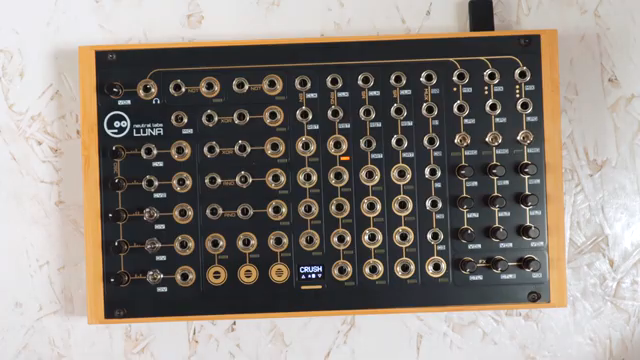
"You can use it for rhythms, modulation, audio creation or processing, I can see me exploring this for a long time which I find really exciting."
© Screenshot/Quote: Divkid (YouTube)
Hands-On Havoc: DivKid’s Sonic Showdown
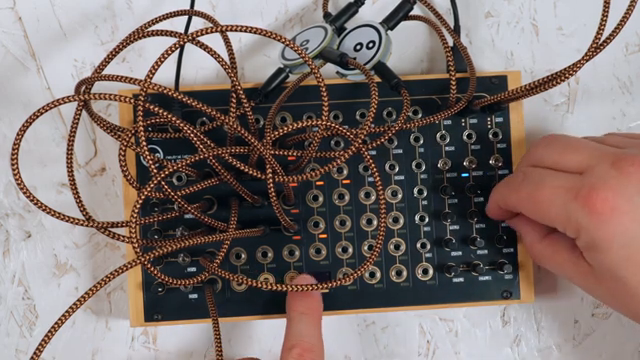
"With the five pulse oscillators here and the logic section, you can create a really wide range of metallic synthesis sounds."
© Screenshot/Quote: Divkid (YouTube)
Ben (aka DivKid) puts Luna through its paces with a hands-on demo that’s part science experiment, part rave. He wrangles everything from metallic synthesis and bell tones to aggressive, crunchy textures that’d scare off a cockatoo. The logic blocks, oscillators, and effects all get a workout, showing just how expressive and dynamic Luna can be in the right hands.
What really stands out is the integration—Luna doesn’t just play nice with modular gear, it becomes the life of the party. Whether it’s modulating envelopes, side-chaining delays, or letting probability run wild, DivKid shows that Luna’s not just a one-trick pony. It’s a full-blown chaos generator, perfect for anyone who likes their synths a bit rough around the edges and ready for anything. If you want the full sensory overload, do yourself a favour and watch the video—some of these sounds have to be heard to be believed.
This article is also available in German. Read it here: https://synthmagazin.at/divkid-entfesselt-luna-lunetta-synthese-im-mad-scientist-modus/
Watch on YouTube:
Latest articles
Watch on YouTube:
Visit the channel:
https://www.youtube.com/DivKid
https://www.youtube.com/DivKid
Links from DivKid:
Patreon: https://patreon.com/divkid
Website: https://divkidvideo.com
Instagram: https://instagram.com/divkidvideo
Twitter: https://twitter.com/divkid
Facebook: https://facebook.com/Sir.DivKid
Sponsored links:
If you purchase via these links, we may earn a small commission – at no extra cost to you. The link opens an Amazon keyword search, and results may vary depending on availability.
Neutral Labs Luna
🔗 Check price on Amazon
🔗 Check price on Amazon