David Hilowitz Music is back with a synth buying guide that slices through the noise like a razor in a rave bunker. If you’re a beginner with champagne taste and a lemonade budget, this video is your new bible. David’s trademark blend of nerdy detail and no-nonsense advice means you’ll actually learn what matters—without getting lost in a swamp of specs. From analog vs digital to the best cheap boxes for your first sonic street fight, he’s got you covered. And yes, he’s got opinions. Strap in, because this isn’t your nan’s synth shopping list.
27. November 2025
SPARKY
David Hilowitz Music’s Budget Synth Showdown: Analog Dreams for the Broke and the Brave
Arturia MicroFreak, Arturia MiniFreak, Korg Minilogue, Korg Minilogue XD, Korg Volca Keys, Novation Bass Station II
Analog vs Digital: The Eternal Pub Brawl
David Hilowitz kicks things off by smashing the age-old debate: analog or digital? He doesn’t waste time with nostalgia—he’s here to tell you what actually matters for beginners. Analog synths use classic circuits, digital ones are basically little computers, but for most users, the difference is more about price and flexibility than some mystical audio fairy dust.
If you’re after flexibility and saving cash, digital is your mate. But David leans analog for this guide, since that’s what most first-timers crave—tactile, hands-on, and dripping with old-school vibe. He doesn’t pretend there’s a massive user difference: oscillators, filters, envelopes, it’s all there, just with different guts. The real kicker? Digital synths are cheaper and more versatile, but analog still has that cult pull for a reason.

"Digital synthesizers are both much more flexible and much cheaper than their analog counterparts."
© Screenshot/Quote: Davidhilowitzmusic (YouTube)
Mono vs Poly: Choose Your Fighter

"Groove boxes such as the TB-303 spawned entire genres of music such as acid house."
© Screenshot/Quote: Davidhilowitzmusic (YouTube)
Once you’ve picked your side in the analog/digital turf war, it’s time for the next big decision: monophonic or polyphonic. David breaks it down with zero fluff. Monos play one note at a time—think acid basslines and lead lines that punch through a mix like a steel-toed boot. Polys let you play chords, pads, and all the lush stuff your inner synth wizard dreams of.
He’s honest about the limitations: monos are old-school and can feel restrictive, but they’ve powered entire genres (hello, acid house). If you want to embrace that limitation, there are killer options out there. But most people, David reckons, will eventually want to play more than one note at a time. He’s been there, done that, and sold the mono after a while. Choose wisely, or be ready to flip your gear on Reverb.
Budget Bangers: The Synths That Actually Slap
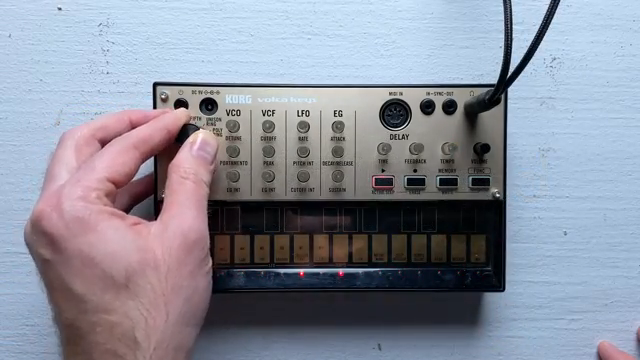
Now for the meat: David lines up his favourite budget synths, each one a potential street weapon for your sonic arsenal. First up, the Korg Volca Keys—criminally underrated, dirt cheap, and surprisingly lush for something that looks like it came out of a cereal box. It’s paraphonic, not truly poly, but at $105 used, you can’t moan. Stick it through a reverb and you’re halfway to Vangelis territory.
Next, the Arturia MicroFreak. Digital engines, wild modulation, and a touch keyboard that’ll split the crowd. Some love it, some want to throw it out the window, but you won’t outgrow it fast. If you want more, there’s the MiniFreak—think of it as the Micro’s older, buffer sibling, with true polyphony and a proper keyboard. David’s clear: these aren’t just toys, they’re serious tools for the price.
Then comes the Korg Minilogue and Minilogue XD. Four voices, two oscillators per voice, patch memory, sequencer—the works. The XD adds a digital engine and effects. For the money, these are the synths that make you wonder why you’d ever pay more. And don’t sleep on the Novation Bass Station II if you want a mono that’s actually worth the cash.
"The Korg Volca Keys. This is probably the most underrated synthesizer on the market."
© Screenshot/Quote: Davidhilowitzmusic (YouTube)
The Korg Minilogue: Top Dog for Beginners

"Ultimately this is my pick for the best beginner synth."
© Screenshot/Quote: Davidhilowitzmusic (YouTube)
David doesn’t mince words: the Korg Minilogue is his pick for the best beginner synth. It nails the sweet spot between price, features, and ease of use. Analog, polyphonic, and dead simple to get your head around—this thing is a rave bunker in a box.
If you want to learn synthesis without menu-diving or firmware nightmares, the Minilogue is your mate. It’s got everything you need and nothing you don’t. But let’s be real—if you want to hear what these boxes can really do, you’ll need to watch the video for the full sonic smackdown.
Try Before You Buy: Software First, Regret Later
Before you sell your nan’s jewellery for a synth, David suggests starting with free software like TAL-Noisemaker or Surge XT. You’ll learn the ropes, save your wallet, and figure out if you’re really about that synth life. If you’re not hooked after that, hardware probably isn’t going to save you. Smart advice, and it might just keep you from buying a doorstop.
This article is also available in German. Read it here: https://synthmagazin.at/david-hilowitz-musics-budget-synth-showdown-analoge-traeume-fuer-die-mutigen-mit-kleinem-geldbeutel/
Watch on YouTube:
Latest articles
Watch on YouTube:
Visit the channel:
https://www.youtube.com/DavidHilowitzMusic
https://www.youtube.com/DavidHilowitzMusic
Links from DavidHilowitzMusic:
David Hilowitz Web Site: https://davidhilowitz.com
Contact Form: https://davidhilowitz.com/contact
facebook: https://facebook.com/davidhilowitz
Sponsored links:
If you purchase via these links, we may earn a small commission – at no extra cost to you. The link opens an Amazon keyword search, and results may vary depending on availability.
Arturia MicroFreak
🔗 Check price on Amazon
🔗 Check price on Amazon
Arturia MiniFreak
🔗 Check price on Amazon
🔗 Check price on Amazon
Korg Minilogue
🔗 Check price on Amazon
🔗 Check price on Amazon
Korg Minilogue XD
🔗 Check price on Amazon
🔗 Check price on Amazon
Korg Volca Keys
🔗 Check price on Amazon
🔗 Check price on Amazon
Novation Bass Station II
🔗 Check price on Amazon
🔗 Check price on Amazon