Ever wondered what would happen if you handed a TI-83 calculator a didgeridoo and told it to join the band? Well, David Hilowitz Music has done just that—transforming a humble curbside find into a lo-fi music machine that’s as unpredictable as an outback storm. In this wild ride, David wrangles Houston Tracker software onto the calculator, battles tech gremlins, and emerges with a sound that’s pure retro chaos. But he doesn’t stop there—he codes up a plugin that lets you sculpt waveforms with maths, turning equations into earworms. Mate, if you reckon maths and music don’t mix, this video will have you rethinking your next Bunnings run.

21. December 2025
TAS
David Hilowitz Music Turns a Graphing Calculator into a Sonic Outback Adventure
From Curbside Treasure to Musical Mischief
David Hilowitz kicks things off with a classic curbside rescue—a TI-83 graphing calculator, not exactly the gear you’d expect to see at a bush doof. The nostalgia hits hard, with memories of high school maths flooding back like a chalk dust storm. But instead of using it to crunch numbers, David’s got a wild idea: can this plastic relic make music?
After a quick internet deep dive, he discovers that, yes, there’s a way to turn this calculator into a music machine. The plan? Load up some software and see if this thing can go from algebra to acid. It’s the kind of hare-brained scheme that makes you wonder if David’s secretly running a synth speakeasy out the back of his shed.
Houston Tracker: Retro Tech Gets Its Groove
Enter Houston Tracker—a piece of software that transforms the calculator into a chiptune beast, giving off serious Game Boy LSDJ vibes. Installing it, though, is like trying to herd kangaroos through a revolving door. David’s epic struggle involves four computers, a dodgy USB cable, and enough patience to make a koala look hyperactive.
Once the dust settles and the software’s finally loaded, the calculator’s ready to jam. Navigating Houston Tracker feels like decoding ancient runes, but soon enough, David’s laying down basslines, melodies, and even some gloriously abrasive percussion. It’s retro, it’s raw, and it’s got that unmistakable lo-fi charm that only a calculator could deliver.
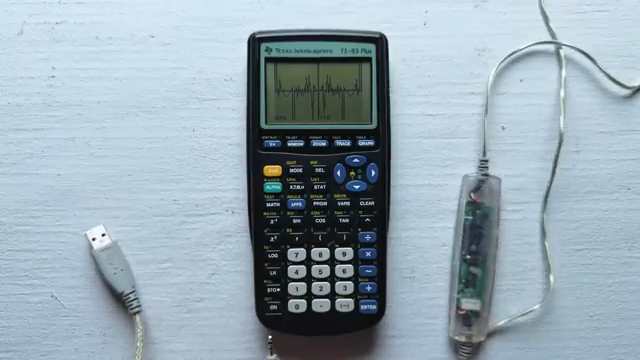
"Installing Houston Tracker on this little calculator was miserable."
© Screenshot/Quote: Davidhilowitzmusic (YouTube)
Lo-Fi Struggles, One-Bit Wonders
"It's basically misusing the data port, sending ones and zeros, they're coming out of this cable and out to my speakers, and our ears are hearing it as a square wave."
© Screenshot/Quote: Davidhilowitzmusic (YouTube)
Getting music out of a calculator with no speaker or sound chip is like squeezing tunes out of a sausage roll—messy, but surprisingly satisfying. David explains how the calculator’s data port, meant for swapping maths homework, is hijacked to spit out square waves. The result? A crunchy, one-bit audio experience that’s as subtle as a magpie at sunrise.
Despite the technical headaches and the calculator’s limitations, the music that emerges is weirdly captivating. There’s no volume control, so percussion smacks you right in the face, but that’s part of the charm. It’s a lo-fi aesthetic that’ll either have you grinning or reaching for the earplugs—no in-between, mate.
Equations Synth: Maths Class Gets a Soundtrack
Not content with just calculator jams, David takes things up a notch by coding a plugin that lets you turn equations into waveforms. It starts with a simple sine wave, but soon he’s tweaking parameters, adding sliders, and letting users sculpt sounds like a BBQ chef with too many sauces. The plugin even clips wild signals, turning mathematical chaos into sonic character.
This isn’t just a nerdy maths exercise—it’s a full-blown synth with modulation, MPE support, and a stack of presets for those who’d rather not wrestle with algebra. Whether you’re a maths whiz or just after some fresh sounds, this plugin opens up a paddock full of experimental possibilities. And if you want to see how wild things can get, you’ll have to watch the video—some sounds just can’t be tamed in print.
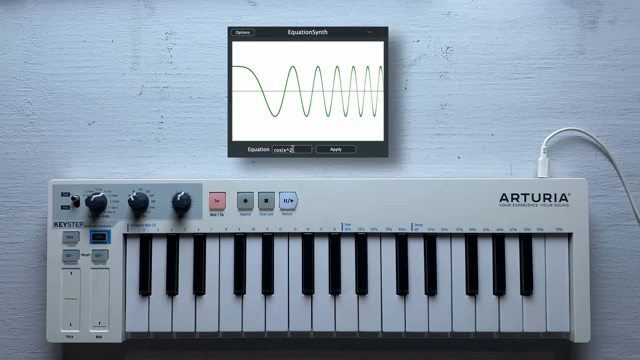
"I'm also finding out that trying out different equations is incredibly addictive."
© Screenshot/Quote: Davidhilowitzmusic (YouTube)
When Inspiration Strikes from the Rubbish Bin
Reflecting on this whole escapade, David reckons sometimes the best ideas come from the oddest places—like a calculator found in the trash. It’s a reminder that music and maths can collide in the most unexpected ways, and that a bit of curiosity (and a lot of persistence) can turn even the most boring school supply into a source of creative chaos.
This article is also available in German. Read it here: https://synthmagazin.at/david-hilowitz-music-verwandelt-einen-taschenrechner-in-ein-sound-abenteuer-im-outback/
Watch on YouTube:
Latest articles
Watch on YouTube:
Visit the channel:
https://www.youtube.com/DavidHilowitzMusic
https://www.youtube.com/DavidHilowitzMusic
Links from DavidHilowitzMusic:
David Hilowitz Web Site: https://davidhilowitz.com
Contact Form: https://davidhilowitz.com/contact
facebook: https://facebook.com/davidhilowitz
Sponsored links:
If you purchase via these links, we may earn a small commission – at no extra cost to you. The link opens an Amazon keyword search, and results may vary depending on availability.
Equations Synth
🔗 Check price on Amazon
🔗 Check price on Amazon
Houston Tracker
🔗 Check price on Amazon
🔗 Check price on Amazon
TI-83 graphing calculator
🔗 Check price on Amazon
🔗 Check price on Amazon