What happens when CROW HILL drags an award-winning whistle player into the shed and lines up four classic microphones for a sonic showdown? Ribbon, large and small diaphragm condenser, and dynamic mics all get their moment in the spotlight. Expect sharp ears, quick demos, and the kind of no-nonsense comparison that makes you want to swap your own gear mid-take. Not all mics are born equal—and some are built like tanks.

11. July 2026
SPARKY
CROW HILL’s Mic Face-Off: Four Ways to Catch a Whistle
Cole's Ribbon Microphone, Dynamic Microphone, Large Diaphragm Condenser Microphone, Ribbon Microphone, Small Diaphragm Condenser Microphone
Meet the Mic Quartet
CROW HILL wastes no time: if you’re lost in the microphone jungle, this video hacks a path straight through. We get the lowdown on four essential mic breeds—ribbon, dynamic, small diaphragm condenser, and large diaphragm condenser. Forget endless options; these are the classics, the ones you’ll actually see in action from grimy rehearsal rooms to plush studios.
Each type gets a no-frills intro, with just enough backstory to keep the nerds happy and the impatient from dozing off. There’s a nod to the ribbon’s radio glory days, the condenser’s rise post-WWII, and the dynamic’s live sound dominance. If you’re still asking which mic you should buy, you’re in for a reality check: it’s all about what and how you’re recording.
Whistle Test: Tom Campbell Vs. The Mics
Time to put theory to the test, with Tom Campbell on whistle duty—because why make it easy? Each microphone gets to capture the same instrument, so you can actually hear what the tech specs mean in the real world. The ribbon mic brings the smooth and velvety, soaking up room depth but never letting the highs get nasty. The large diaphragm condenser comes in bigger and bolder, with more intimacy and a bit of breath for realism. Small diaphragm condenser? Think surgical precision—cold, clean, and ready for a session in the forensic lab. Then there’s the dynamic: more focused, less room, and built to survive a drop at a festival.
These aren’t just abstract differences. CROW HILL and Tom make you hear the tradeoffs, from warmth to detail to whether you want every click of the player’s tongue. You get just enough commentary to set your head nodding, but the real gold is in the playing—rewind if you need to, because you’ll want to catch the nuances.
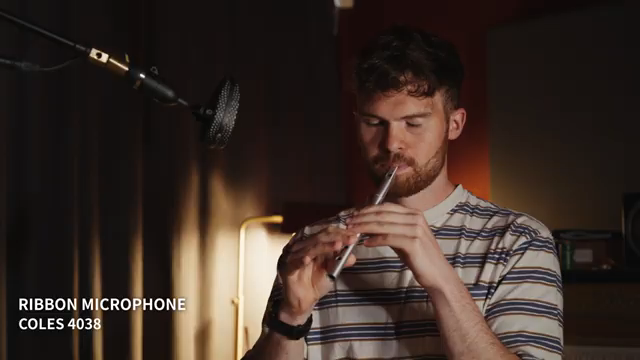
"Immediately, to me, this sounds incredibly smooth."
© Screenshot/Quote: Thecrowhillco (YouTube)
Side-by-Side: Mic Shootout Madness
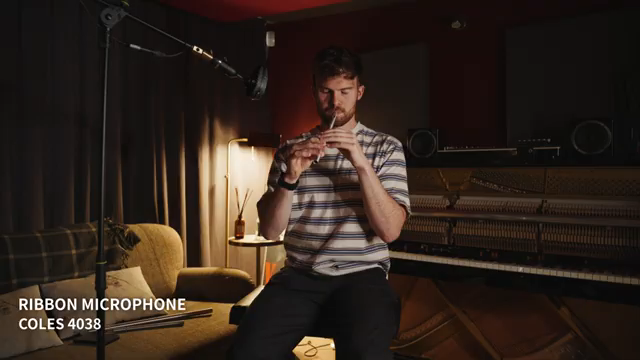
"As you probably noticed, none of these microphones are objectively better than the others."
© Screenshot/Quote: Thecrowhillco (YouTube)
Ready for a proper toaster-fight? The video lines up the mics for a raw, uninterrupted comparison so you can judge for yourself. No fancy mixing or studio tricks—just the same phrase, four ways, back-to-back. Suddenly, all those subtle descriptions jump out: the ribbon’s warmth, the condenser’s detail, the dynamic’s focus. It’s like speed-dating for your ears.
If you’re still clinging to the idea that there’s a single ‘best’ mic, this segment will shake you loose. Each microphone has its flavour, and the context decides who wins the round. The only thing missing is a pint and a chat about which one you’d actually want in your gig bag.
Pick Your Poison
The big takeaway? There’s no universal champion—your choice should fit the job. Whether you want detail, warmth, or just something that can survive a drop in the shed, context is king. CROW HILL wraps it up with a nudge: get in the studio, muck about, and find what makes your sound pop. Sometimes, the hunt is half the fun.

"The best microphone is simply the one that helps you achieve the sound that you want."
© Screenshot/Quote: Thecrowhillco (YouTube)
This article is also available in German. Read it here: https://synthmagazin.at/crow-hills-mikrofon-showdown-vier-wege-eine-whistle-einzufangen/
Watch on YouTube:
Latest articles
Watch on YouTube:
Visit the channel:
https://www.youtube.com/TheCrowHillCo
https://www.youtube.com/TheCrowHillCo
Links from TheCrowHillCo:
Website: https://thecrowhillcompany.com
Socials: https://linktr.ee/thecrowhillcompany
Podcast & Extras: https://youtube.com/@crowhillxtras
Facebook: https://facebook.com/TheCrowHillCompany/
Instagram: https://www.instagram.com/thecrowhillcompany
Sponsored links:
If you purchase via these links, we may earn a small commission – at no extra cost to you. The link opens an Amazon keyword search, and results may vary depending on availability.
Cole's Ribbon Microphone
🔗 Check price on Amazon
🔗 Check price on Amazon
Dynamic Microphone
🔗 Check price on Amazon
🔗 Check price on Amazon
Large Diaphragm Condenser Microphone
🔗 Check price on Amazon
🔗 Check price on Amazon
Ribbon Microphone
🔗 Check price on Amazon
🔗 Check price on Amazon
Small Diaphragm Condenser Microphone
🔗 Check price on Amazon
🔗 Check price on Amazon