Compression: a word that conjures images of invisible hands shaping sound, of whispers blooming into thunder, of musical ghosts brought into the foreground. In this poetic exploration, CROW HILL’s Theo invites us to drift through the history and heart of compression—not as a mere technical fix, but as a vessel for emotional storytelling. With the guidance of sound engineer Jane Datony, we journey from radio’s fragile beginnings to the nuanced landscapes of modern mixes. Prepare to listen with new ears as compression becomes not just a process, but a brushstroke on the canvas of music.
17. January 2026
LUMINA
CROW HILL and the Art of Compression: Shaping Silence, Sculpting Presence
Fairchild 670, Kerwax Replica, Logic Stock Compressor, Universal Audio 1176
From Broadcast Shadows to Sonic Sculpture
Compression’s story begins in the crackling ether of early radio, where engineers battled the wild tides of live performance. In those days, the air was thick with unpredictability—singers and orchestras leaping from hush to crescendo, threatening to shatter delicate circuits. The first compressors, glowing with tube warmth, were guardians of consistency, smoothing out the chaos so broadcasts could flow like a steady river.
But as decades unfurled, these machines evolved from mere protectors into artists themselves. The Fairchild 670 and Universal Audio 1176 became more than tools; they were alchemists, infusing Motown’s rhythm sections with velvet gravity and giving rock drums their punchy, magnetic resonance. Compression, once a silent sentinel, became a sculptor of emotion—shaping the arc of a song, drawing vocals close as breath, or letting guitars snarl with intent. In the digital age, this power only deepened, allowing producers to carve intricate dynamic landscapes or, at times, flatten them in the pursuit of loudness. The journey from technical safeguard to creative force is the story of compression’s soul.
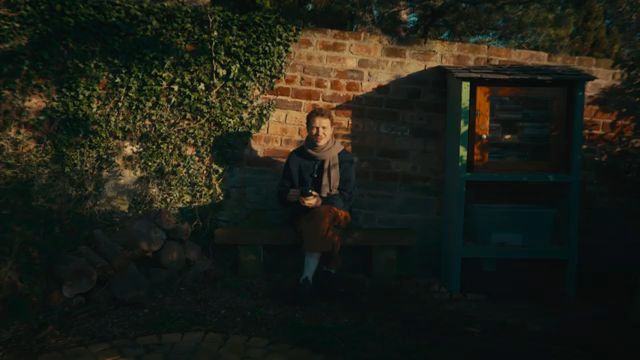
"Compression evolved from this technical safeguard to one of the most creative tools in modern music production."
© Screenshot/Quote: Thecrowhillco (YouTube)
Intentional Pressure: Compression as Expression
Theo’s approach, true to CROW HILL’s ethos, is to wield compression not as a blunt instrument but as a brush for musical color. The temptation to simply “whack it on” every track is strong, yet the video urges us to resist—inviting us instead to listen for the subtle ways compression can coax emotion from a performance. It’s not about taming peaks for the sake of order, but about letting the music breathe and bloom in its own space.
Used with intention, compression becomes a dialogue between artist and sound. It can cradle a vocal in intimacy, let a drum’s transient crackle like static in the night, or allow a guitar to shimmer at the edge of silence. The video reminds us: every setting is a choice, every ratio and threshold a narrative decision. In the hands of a sensitive ear, compression is less about control and more about revealing the hidden ghosts within the music.
Jane Datony’s Compass: Navigating the Parameters
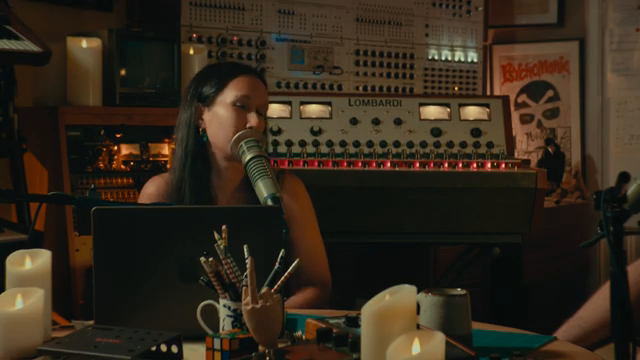
"These two are the sort of core parameters that control the behavior of the compressor."
© Screenshot/Quote: Thecrowhillco (YouTube)
Enter Jane Datony, whose expertise guides us through the labyrinth of compressor parameters. Threshold, the gatekeeper, decides when the invisible hand begins its work. Ratio determines how firmly that hand presses down, shaping the peaks into gentle hills or sharp plateaus. Attack and release, those twin tides, control the ebb and flow—whether transients are tamed or allowed to burst forth, whether sustain lingers like morning fog or vanishes in an instant.
Jane’s explanations are tactile and clear, demystifying the technical without stripping away the magic. She reveals how makeup gain can resurrect the quiet moments, lifting them into the light, and how bypassing the compressor lets us hear the true impact of our choices. These parameters are not mere numbers—they are the dials of narrative, the levers of presence and absence. With Jane as our compass, we begin to sense how each adjustment can tilt the emotional axis of a mix.
Sound in Motion: Acoustic Guitar and Saxophone in the Mix
The heart of the video pulses in its demonstrations—where theory dissolves into sound, and compression’s fingerprints become audible. With acoustic guitar, Theo exaggerates every parameter, letting us hear compression’s shadow as it lifts floor noise and flattens dynamics. The guitar, once vibrant, becomes choked and lifeless under too much pressure—a cautionary tale in real time. But as settings are dialed back, clarity and energy return, the instrument breathing again with gentle control. These moments are best felt, not merely described; the subtle shift from suffocation to presence is a lesson for the attentive ear.
A/B comparisons reveal how the right touch of compression brings the guitar forward, giving it a luminous presence without sacrificing its natural ebb and flow. The saxophone, too, is treated with reverence—its wide dynamic range and lyrical voice carefully balanced to sit atop a layered Motown-inspired mix. Here, compression is a soft sculptor, using a gentle ratio and soft knee to preserve the instrument’s humanity while ensuring it doesn’t vanish beneath the ensemble.
These demonstrations are more than technical exercises—they are sonic stories unfolding in real time. To truly grasp the nuance, one must listen, headphones on, as the music transforms before our ears. The video’s artistry lies in these moments of revelation, where compression ceases to be abstract and becomes a living, breathing force.

"You'll hear the floor noise from the mic really lift up as the compressor is sort of working."
© Screenshot/Quote: Thecrowhillco (YouTube)
Listening as Art: The Call for Critical Ears
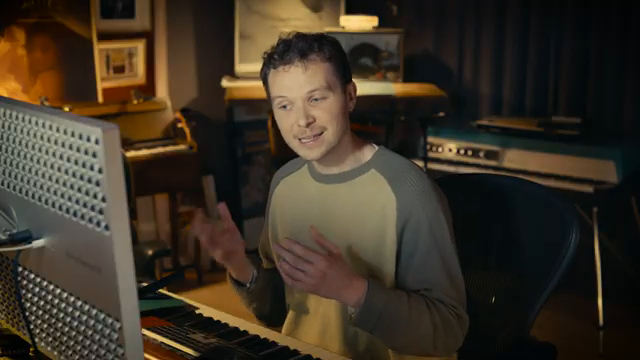
"It's really a tool for shaping a performance."
© Screenshot/Quote: Thecrowhillco (YouTube)
As the journey closes, Theo’s message is clear: compression is not a formula, but a practice of attentive listening. It is easy to see it as a mere fix for unruly peaks, but its true power lies in shaping performances, in bringing out hidden subtleties or granting instruments a spectral presence. The video encourages us to exaggerate settings, to train our ears to recognize when compression crosses the line from enhancement to erasure.
Ultimately, every mix is a landscape, and compression is the weather—sometimes gentle, sometimes fierce, always shaping the terrain. The invitation is to listen deeply, to make choices with intention, and to let compression serve the story we wish to tell. For those who wish to feel the full resonance of these lessons, the video itself is a wellspring—best experienced with open ears and a curious heart.
This article is also available in German. Read it here: https://synthmagazin.at/crow-hill-und-die-kunst-der-kompression-stille-formen-praesenz-modellieren/
Watch on YouTube:
Latest articles
Watch on YouTube:
Visit the channel:
https://www.youtube.com/TheCrowHillCo
https://www.youtube.com/TheCrowHillCo
Links from TheCrowHillCo:
Website: https://thecrowhillcompany.com
Socials: https://linktr.ee/thecrowhillcompany
Podcast & Extras: https://youtube.com/@crowhillxtras
Facebook: https://facebook.com/TheCrowHillCompany/
Instagram: https://www.instagram.com/thecrowhillcompany
Sponsored links:
If you purchase via these links, we may earn a small commission – at no extra cost to you. The link opens an Amazon keyword search, and results may vary depending on availability.
Fairchild 670
🔗 Check price on Amazon
🔗 Check price on Amazon
Kerwax Replica
🔗 Check price on Amazon
🔗 Check price on Amazon
Logic Stock Compressor
🔗 Check price on Amazon
🔗 Check price on Amazon
Universal Audio 1176
🔗 Check price on Amazon
🔗 Check price on Amazon