OXI Instruments, the Spanish innovators behind the OXI One sequencer and the Coral and Meta Eurorack modules, present a hands-on demonstration of their modular ecosystem’s prowess. In this video, the OXI team assembles a complete track from scratch, using two Coral modules for both drums and polyphonic melodies, two Meta modules for effects, and the OXI One as the sequencing brain. The workflow is all about patching efficiency, MIDI/CV integration, and the kind of sonic layering that makes modular heads nod in approval. If you’re curious about how these modules interact in a real-world patch, this is a deep dive worth your voltage.
12. December 2024
MILES
Building Tracks the Modular Way: OXI Instruments Ecosystem in Action
The OXI Ecosystem: Modular Synergy in Focus
The video opens with a promise: to demonstrate how the OXI Instruments ecosystem can be harnessed to build a complete electronic track from the ground up. The presenter outlines the setup, which includes two Coral modules—one dedicated to drum duties and the other to melodic synthesis—plus a pair of Meta modules for effects processing. All sequencing and coordination are handled by the OXI One, which acts as the central hub for MIDI and CV routing.
This approach is classic OXI: modular, flexible, and designed for hands-on interaction. The video’s structure is clear—each module has a defined role, but the workflow is about integration rather than isolation. The aim is to show not just what each box does, but how they combine to create a seamless patching experience for both newcomers and seasoned modular users.

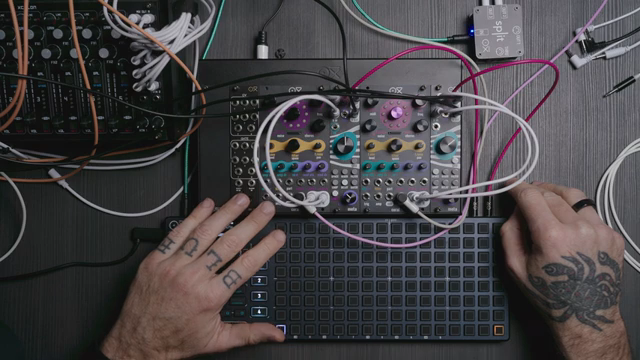
"Show you how easy it is to create a track with Oxy Instrument products."
© Screenshot/Quote: Oxiinstruments (YouTube)
OXI One: The Sequencing Brain
"With the Configurator you can create all of your presets and load them into your SD card in a convenient and effective way."
© Screenshot/Quote: Oxiinstruments (YouTube)
At the heart of the patch is the OXI One, configured to control both Coral modules via its Split function. The video walks through the process: activating Split mode, assigning MIDI channels to different sequencer tracks, and routing outputs so that melodic and drum parts can be managed independently. Each track on the OXI One is mapped to specific voices or engines on the Corals, allowing for mono, chord, and multitrack sequencing.
This setup enables efficient control with minimal cabling—a nod to OXI’s focus on workflow. The presenter highlights the use of the Coral Configurator app for assigning engines and MIDI channels, though front-panel editing is also possible. The OXI One’s sequencing lanes are shown to be adaptable, with tracks dedicated to leads, bass, chords, and drums, all harmonically linked and ready for further modulation.
Layering, Drums, and Effects: The Patch in Practice
The demonstration moves into the musical nitty-gritty, starting with chord progressions sequenced via the Pick and Place function. The Coral’s polyphonic capabilities are on display, with the presenter cycling through different sound engines and tweaking filters to shape the harmonic bed. Modulation is added using the OXI One’s modulation lanes—frequency cutoff curves, step divisions, and gate lengths are all manipulated to animate the patch.
Leads and basslines are layered in, with harmonization tied to the evolving chord structure. The workflow is direct: notes are entered, engines are swapped, and velocity and gate parameters are adjusted for expressive variation. The bassline benefits from the sequencer’s ping-pong mode, creating movement with minimal input, while the Coral’s voices are efficiently allocated for chords and mono parts.
Drums are introduced via the Coral’s drum engine firmware, with the OXI One’s Pattern Generator providing randomized rhythms. Density, iteration, and velocity are all tweaked in real time, and additional drum hits are layered for complexity. Effects from the Meta modules—particularly the Space algorithm—are brought in to add reverb and transitions, rounding out the patch with a sense of depth and performance-ready polish.
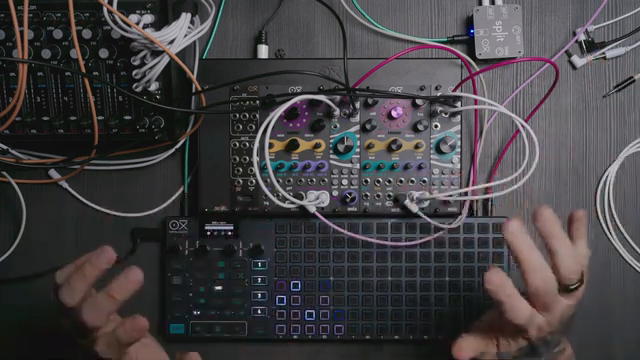
"With just one MIDI cable and a split modulating everything inside Coral it's super convenient and simple."
© Screenshot/Quote: Oxiinstruments (YouTube)
Intuitive Workflow: Complexity Made Simple
A recurring theme is the ecosystem’s ability to deliver complex results with minimal fuss. The presenter notes how quickly a multi-part composition emerges, thanks to harmonized sequencing, easy modulation mapping, and the convenience of MIDI Split. The workflow encourages experimentation—once a backbone is laid down, effects and arrangements are performed live, inviting hands-on interaction.
The Meta modules, though designed for transitions, are shown to excel as general-purpose effects processors. The ease of clocking, routing, and tweaking parameters means that users can focus on musical ideas rather than technical hurdles, making the OXI setup appealing for both studio production and live modular performance.
Conclusion: Power and Portability in a Modular Footprint
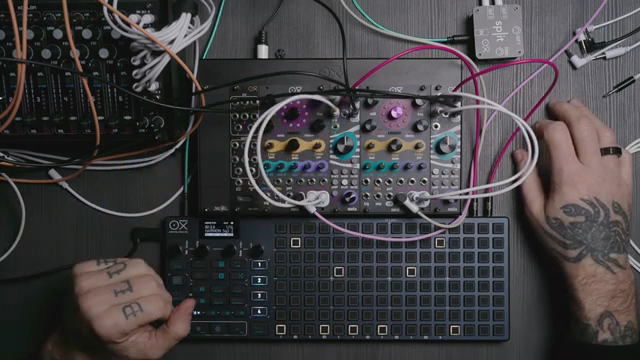
"Using our ecosystem of sequencer and modules can give you a lot of power in a very, very small footprint."
© Screenshot/Quote: Oxiinstruments (YouTube)
The video wraps up by reinforcing the core message: the OXI Instruments ecosystem offers a powerful, compact solution for electronic music production. By integrating sequencer, synth, drum, and effects modules into a unified workflow, OXI delivers a modular rig that’s both deep and approachable. For those seeking maximum sonic mileage from minimal rack space, this demonstration makes a compelling case.
This article is also available in German. Read it here: https://synthmagazin.at/tracks-bauen-auf-modulare-art-das-oxi-instruments-oekosystem-in-aktion/
Watch on YouTube:
Latest articles
Watch on YouTube:
Visit the channel:
https://www.youtube.com/oxiinstruments
https://www.youtube.com/oxiinstruments
Links from oxiinstruments:
website: https://oxiinstruments.com
instagram: https://www.instagram.com/oxiinstruments
facebook: https://www.facebook.com/oxiinstruments/
support: https://oxiinstruments.com/support
Sponsored links:
If you purchase via these links, we may earn a small commission – at no extra cost to you. The link opens an Amazon keyword search, and results may vary depending on availability.
OXI Coral
🔗 Check price on Amazon
🔗 Check price on Amazon
OXI META
🔗 Check price on Amazon
🔗 Check price on Amazon
Oxi One
🔗 Check price on Amazon
🔗 Check price on Amazon