Layering pianos in dance tracks sounds like a shortcut to big-room glory—until your mix turns to porridge. Bthelick, a master of matter-of-fact tutorials, slices through the mush and exposes why stacking piano sounds rarely delivers the punch you’re after. If you’re sick of your layers sounding like a haunted honky-tonk, this video’s got the hacks you need. No fluff, just razor-sharp fixes, and plenty of practical attitude.
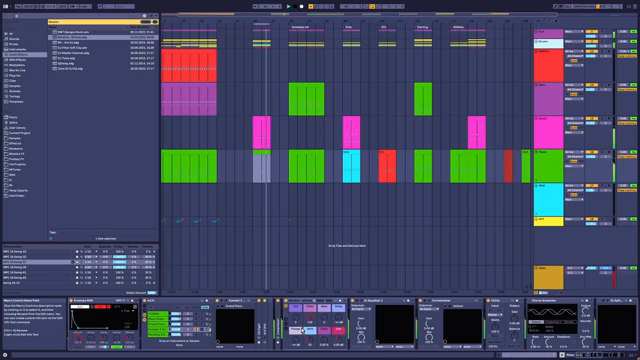
9. August 2026
SPARKY
Bthelick’s Piano Layering Reality Check: Why Your Dance Pianos Go Mush
Ableton Grand Piano, Kontakt 5, Korg M1, Meatbeats Micro Piano, OTT, Pianotech, Voxengo Corellameter
Layered Pianos: The Mushy Truth
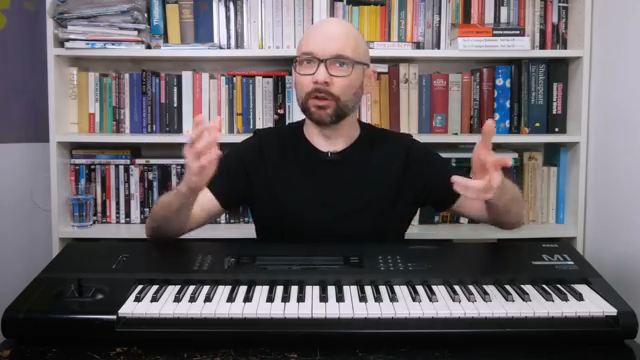
Let’s get real: layering pianos seems like it should make your tracks massive, but in reality, it’s a one-way ticket to sonic mush. Bthelick kicks things off by showing how slapping multiple pianos together—whether it’s a classic Korg M1, Ableton’s built-in, or a Kontakt grand—turns your sharp riff into a cloud of phasey softness. It’s not just a problem with cheap synths either; even the expensive sampled stuff falls into the same trap.
The real villain here is the piano’s complex tuning. Each one’s got its own stretch tuning, so the overtones never quite line up. The result? That classic chorusy wash, which screams “cheesy ballad” or “saloon bar” more than “warehouse banger”. No matter how much EQ or compression you throw at it, if you layer two pianos, expect things to get muddy fast.
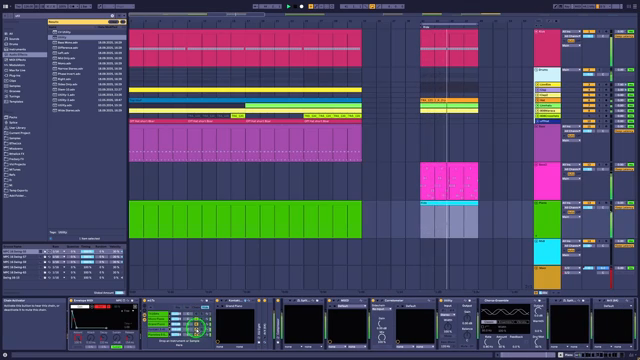
"It's gone all swooshy, mushy, a bit like you've added a phaser or a chorus effect."
© Screenshot/Quote: Bthelick (YouTube)
Accepting Defeat: Why Piano Layering Fails
"We will never get two pianos layered in tune."
© Screenshot/Quote: Bthelick (YouTube)
It’s tempting to think you can just tune your way out of the problem, but Bthelick quickly dispels that fantasy. Piano tuning is a dark art—thanks to string length and stretch tuning, you’ll never get two pianos perfectly in tune, no matter how much you twist the knobs. It’s not just a matter of moving a fine-tune slider; the harmonics themselves are baked into each sample, making a true blend impossible.
Bottom line: you can’t layer pianos the way you layer synths or drums. The only way to truly match a piano sound is to use the exact same sample or preset as your reference track. If you can’t, it’s time to rethink your approach. Once you accept this hard truth, you’re free to make smarter, more creative sound design choices.
Four Workarounds: Saving Your Piano Sound
Bthelick doesn’t leave us in the mushy wasteland—he drops four solid options for getting pianos to slap without stacking disaster. First up: don’t layer at all. Just pick one piano and beef it up. This means working with EQ, transients, and effects to get the exact vibe you want, rather than chasing some mythical blend. The mantra here is simple: find a good sound and make it punch.
If you still want to cheat the system, try splitting your layers in the width, frequency, or time domains. For width, combine a mono digital piano with the stereo field of a real one—so they don’t step on each other. For frequency, carve up the spectrum: one piano handles the highs, another brings the low warmth. For time, chop the attack from a punchy sample and the sustain from something richer. Each strategy avoids the classic phase mess, but you’ll need to finesse your processing—Bthelick’s demo makes clear there’s no lazy fix.
"Pick a good sound in the first place and you won't have to do much to it."
© Screenshot/Quote: Bthelick (YouTube)
Processing Tricks: Realistic vs. Synthetic
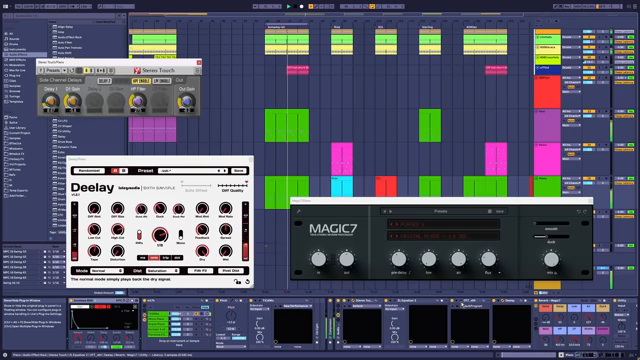
"I actually quite like OTT for this purpose, but as always compression is really easy to overdo, so just a little goes a long way."
© Screenshot/Quote: Bthelick (YouTube)
There’s no one-size-fits-all tweak—Bthelick lays out practical tips for both ends of the piano spectrum. For realistic, sampled grands, the goal is more brightness and snap. That means boosting highs with EQ, scooping a bit of mid, and maybe adding a high-frequency exciter. If it still feels lifeless, a transient designer wakes up the attack, and some reverb and delay give it space without drowning the detail.
With synthetic or classic dance pianos, the problem flips: too much attack, not enough body. Here, it’s about taming the front end with a transient shaper or a tastefully dialled-in compressor (yes, even Bthelick admits to using OTT). Don’t get tricked by a louder signal—always check in mono, because some pianos lose their mojo when collapsed. Stereo widening is great, but only if it survives a mono club rig.
Watch the Video—Hear the Difference
Words only get you so far—if you really want to hear how these fixes sound, you’ve got to watch the video. Bthelick’s before-and-after demos, frequency splits, and live processing tweaks are what make the advice land. If you’re serious about making your piano layers punch instead of puddle, don’t sleep on the hands-on side of this tutorial.
This article is also available in German. Read it here: https://synthmagazin.at/bthelicks-piano-layering-realitaetscheck-warum-deine-dance-pianos-zu-matsch-werden/
More articles about these products:

Watch on YouTube:
Latest articles
Watch on YouTube:
Visit the channel:
https://www.youtube.com/Bthelick
https://www.youtube.com/Bthelick
Links from Bthelick:
Instagram: https://instagram.com/bthelickmusic
SoundCloud: https://soundcloud.com/bthelick
Ko-Fi: https://ko-fi.com/bthelick
facebook: https://facebook.com/bthelick
Twitter: https://twitter.com/BtheLick
Sponsored links:
If you purchase via these links, we may earn a small commission – at no extra cost to you. The link opens an Amazon keyword search, and results may vary depending on availability.
Ableton Grand Piano
🔗 Check price on Amazon
🔗 Check price on Amazon
Kontakt 5
🔗 Check price on Amazon
🔗 Check price on Amazon
Korg M1
🔗 Check price on Amazon
🔗 Check price on Amazon
Meatbeats Micro Piano
🔗 Check price on Amazon
🔗 Check price on Amazon
Pianotech
🔗 Check price on Amazon
🔗 Check price on Amazon
Voxengo Corellameter
🔗 Check price on Amazon
🔗 Check price on Amazon