Behringer’s LM DRUM is more than a nostalgic nod—it’s a hybrid sampling drum machine that bridges vintage crunch with modern workflow flexibility. In this deep-dive from Behringer’s official channel, Patrick (aka PatchDog) walks through the LM DRUM’s key features, from its variable sample rate DACs and 8–12 bit depth, to its hands-on sequencer, performance modes, and sound-shaping tools. We get a clear look at how the LM DRUM’s architecture supports both classic drum machine vibes and contemporary production needs, including onboard sampling and a suite of analog-inspired effects. If you’re curious about how digital and analog elements combine in a modern groovebox, this video is a revealing showcase.

Hybrid DNA: Vintage Crunch Meets Modern Flexibility
The Behringer LM DRUM is introduced as a hybrid sampling drum machine, aiming to capture both the character of vintage samplers and the versatility required for modern production. Patrick, the presenter, wastes no time clarifying a key architectural detail: each of the LM DRUM’s 16 voices is equipped with its own variable sample rate DAC, running at selectable bit depths from 8 to 12 bits. This hardware-based approach is highlighted as a distinguishing factor—eschewing software emulation in favor of authentic digital-to-analog conversion, which imparts the sought-after crunchy yet smooth artifacts reminiscent of classic machines.
Behringer’s presentation style is direct and accessibility-focused, and here it’s clear that the LM DRUM is designed to appeal to both retro enthusiasts and contemporary beatmakers. The video’s live audio feed from the stereo outputs reinforces the machine’s raw sonic character, setting the stage for a walkthrough that balances nostalgia with practical, modern workflow features.
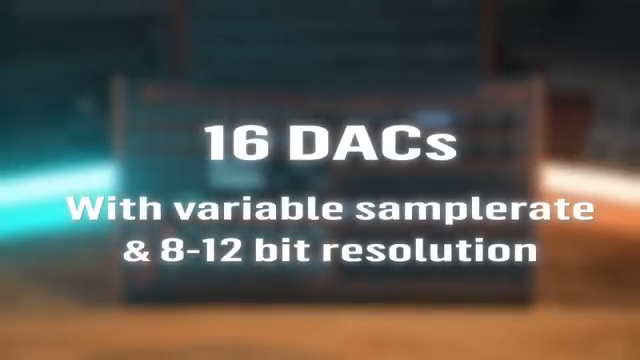
"So no software emulation here like lots of modern samplers tend to do and of course software samplers inherently do, this is the real thing."
© Screenshot/Quote: Behringer (YouTube)
Sequencing Power: 109 Sounds, 64 Steps, and Multiple Modes
"So yeah, that's how you program in the different velocities for the pads that have them."
© Screenshot/Quote: Behringer (YouTube)
The LM DRUM comes loaded with 109 drum sounds, accessible via velocity-sensitive pads that respond differently depending on the selected mode. In pad mode, users can trigger drums directly, with velocity layers and round-robin effects for more humanized playback—such as alternating hi-hat samples for a realistic feel. The default LM-2 kit is showcased, but users can easily swap in LM-1 claps or other variations, reflecting the flexibility of the sound engine.
Live recording mode is straightforward: hit record, play, and drum in your pattern with the metronome and tempo controls at hand. Step mode transforms the pads into a classic step sequencer, where each drum can be programmed with multiple velocity levels—visual feedback via LEDs makes it easy to select and edit hits. The workflow is designed to be intuitive, allowing quick switching between instruments and velocity layers for nuanced programming.
Pattern and song modes round out the sequencing arsenal. Pattern mode lets users select and chain patterns, while song mode provides access to banks of patterns for building full arrangements. The video demonstrates how these modes integrate seamlessly, supporting both spontaneous jamming and structured composition within the 64-step sequencer framework.
Performance Tools: Mutes, Solos, and Creative Jam Functions
Performance workflow is a clear focus, with the LM DRUM offering a suite of tools for live jamming and creative arrangement. Solo and mute functions are easily accessed via dedicated buttons and voice selects, allowing users to isolate or silence channels on the fly. Clearing all solos or mutes is streamlined with a simple tap-and-hold gesture, minimizing menu-diving during performance.
Additional creative tools include step repeats and note repeats, which enable looping of entire steps or individual drum hits for dynamic fills and breakdowns. The auto fill feature, available in pattern mode, lets users trigger any pattern as a fill, injecting variation and spontaneity into live sets. These features collectively support a hands-on, improvisational workflow that’s well-suited to both DAWless rigs and hybrid studio setups.
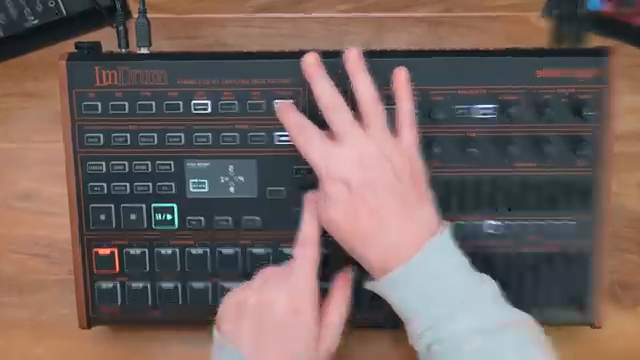
"Then there's the step repeats where you can loop steps with the trigger button."
© Screenshot/Quote: Behringer (YouTube)
Sound Shaping: Analog Wave Designer, Dual-Mode Filter, and Distortion
The LM DRUM’s sound manipulation capabilities are robust, with a dedicated mixer section for balancing levels and panning across its stereo field. Above the mixer, a tuning panel offers pitch control for select drums—snares, toms, congas, and hi-hat decay—enabling users to dial in classic or experimental timbres. The video demonstrates how even elements without front-panel tuning can be adjusted via the interface, supporting deep customization.
A highlight is the analog effect bus, featuring a wave designer and a dual-mode filter (low-pass and high-pass). Assigning drums to the effect bus is as simple as pressing the send button and selecting desired channels. The wave designer and filter can be pushed to extremes for dramatic sonic transformations, and the analog signal path is emphasized as a key part of the LM DRUM’s character.
Rounding out the toolkit is a built-in distortion module, accessible from the screen. This effect adds heft and grit to individual drums, with the ability to push sounds into crunchy territory. The video showcases how these analog-inspired tools, combined with digital sample manipulation, offer a wide palette for sculpting unique drum tones.
Onboard Sampling: Capture, Edit, and Integrate
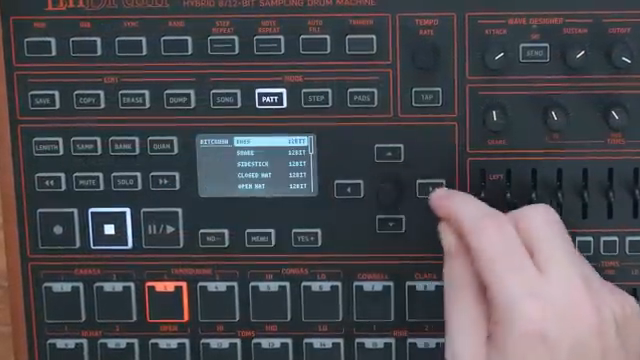
"it's also a vintage sampler and I say vintage because it will give you 8 to 12 bit sampling, something that beat makers from hip hop to EDM have long craved after."
© Screenshot/Quote: Behringer (YouTube)
Sampling is a core feature, and the LM DRUM supports direct recording via its input—no computer required, though integration with the Synth Tribe app is also available for sample transfer. The workflow is classic: connect a source, set input gain, record hot for punchy artifacts, then trim and save the sample. The resulting sounds benefit from the same variable bit-depth DACs, imparting a warm, rounded character with vintage-style artifacts.
Once captured, samples can be assigned to pads within user banks, looped, reversed, or trimmed. The editing interface allows for setting loop ranges, start and end points, and decay envelopes, supporting both one-shots and more complex sample manipulation. This onboard sampling capability, combined with the LM DRUM’s analog and digital processing, positions it as a flexible tool for beatmakers seeking both immediacy and deep sound design.
This article is also available in German. Read it here: https://synthmagazin.at/behringer-lm-drum-hybrid-sampling-drum-machine-architektur-entschluesselt/
Watch on YouTube:
Latest articles
Watch on YouTube:
Visit the channel:
https://www.youtube.com/behringer
https://www.youtube.com/behringer
Links from behringer:
website: https://www.behringer.com
facebook: https://www.facebook.com/Behringer
twitter: https://twitter.com/BEHRINGER
instagram: https://instagram.com/Behringer