Behringer’s JN-80 is their latest foray into the world of classic analog polysynths, channeling the spirit of the legendary Juno 60 but with a modern twist. In this official showcase, Behringer pulls back the curtain on an eight-voice analog powerhouse, complete with DCOs, the iconic 3109 VCF, a lush BBD chorus, and a workflow that’s as immediate as it is inviting. The video is a no-nonsense affair: just the JN-80, dry from the outputs, letting its raw tones and punchy voicing do the talking. For those who crave authentic analog warmth and a synth that wants to be played, not just programmed, the JN-80 makes a compelling case for a new studio staple.
5. February 2026
MILES
Behringer JN-80: Eight Voices of Analog Heritage Reimagined
A Classic Reborn: The JN-80’s Eight-Voice Ambition
Behringer opens the show with a nod to the DeepMind 12, but quickly pivots to the JN-80—a synth that draws its DNA from the revered Juno 60. While the original was a six-voice affair, the JN-80 ups the ante to eight voices, giving players more polyphony for pads, chords, and layered textures. This is not just a rehash, but a deliberate evolution, aiming to capture the essence of the 80s while offering something new for today’s creators.
The video is peppered with references to the Juno lineage and its impact on classic records, from Eurythmics to Enya and Daft Punk. Behringer positions the JN-80 as a tool for those who appreciate analog authenticity, but want the flexibility and power that modern engineering can provide. The focus is on musicality and versatility, with the JN-80 presented as a synth that’s equally at home in the studio or on stage.
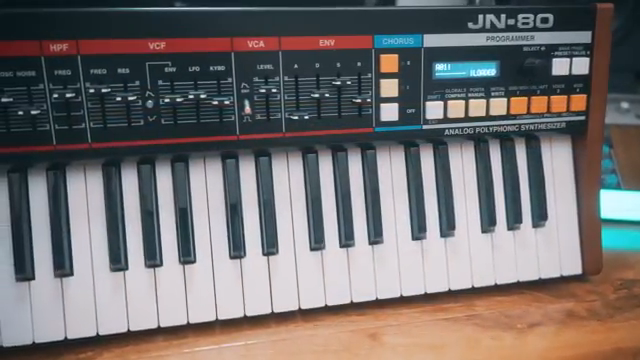
"And it is, of course, a faithfully created reproduction of that legendary Japanese synthesizer, the Juno 60."
© Screenshot/Quote: Behringer (YouTube)
Under the Hood: DCOs, 3109 VCF, Sub-Oscillator and BBD Chorus
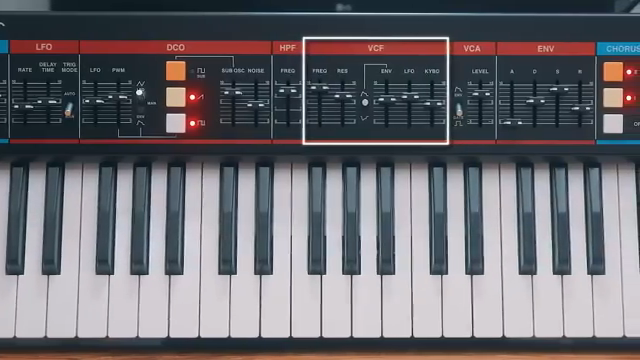
"That iconic 24 dB low-pass filter with no holes barred on authenticity with its fully discreet 3109-based circuitry."
© Screenshot/Quote: Behringer (YouTube)
At the heart of the JN-80 are its digitally controlled oscillators (DCOs), which promise the stability of digital control with the warmth of an analog signal path. The inclusion of the classic 3109 VCF—a 24 dB low-pass filter—anchors the synth’s sound firmly in vintage territory, while the sub-oscillator thickens up the bass end for those who like their low end with extra heft.
No Juno-inspired synth would be complete without a chorus, and the JN-80 delivers with a bucket-brigade device (BBD) circuit that brings unmistakable width and shimmer. The video highlights the chorus’s ability to transform simple patches into lush, expansive textures, and demonstrates how the combination of these core features results in a sound palette that’s both familiar and inspiring.
Hands-On Control: Five Voicing Modes and 256 Presets
Behringer keeps the interface straightforward, echoing the ethos of the original Juno but with a few modern conveniences. The JN-80 offers five voicing modes—polyphonic, dual, unison, quad, and mono—giving players a range of performance and layering options. This flexibility is key for those who want to shift from classic pads to aggressive leads without menu-diving.
An LCD display and a bank of quick-access buttons make navigating the 256 onboard presets a breeze. The video demonstrates how easy it is to recall and tweak sounds, with assignable preset recall for live performance or studio workflow. The inclusion of a seven-mode arpeggiator, assignable controls, and full MIDI implementation rounds out the package, making the JN-80 a practical addition to any setup.
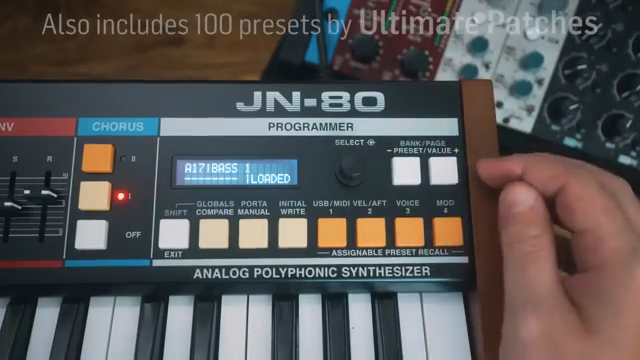
"You've also got quickfire assignable preset recall. Pretty nice."
© Screenshot/Quote: Behringer (YouTube)
Studio-Ready and Workflow-Focused
Behringer pitches the JN-80 as a tool for music makers, not just collectors. The synth is designed to slot seamlessly into modern studios, with a 49-key keyboard featuring aftertouch, comprehensive MIDI and USB connectivity, and classic CV/gate options for integration with modular or vintage gear. The video underscores how the JN-80’s analog engine brings warmth and depth to any workflow, whether you’re composing, performing, or just noodling late at night.
The interface encourages hands-on exploration, and the sound examples make it clear that this isn’t a synth that needs external processing to shine. From chunky basses to brassy stabs and evolving textures, the JN-80 is presented as a versatile workhorse for creators who want analog character without the fuss.
Raw Sound, No Studio Tricks: The JN-80’s Sonic Character
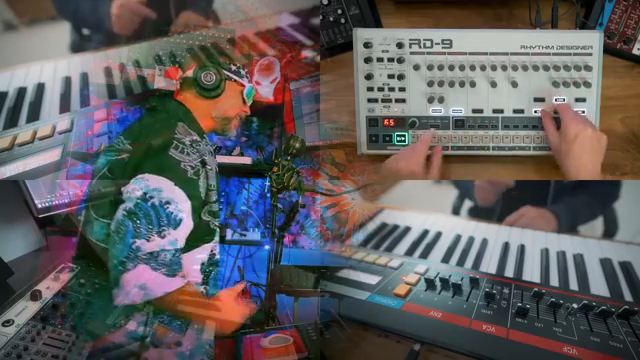
"The J-N-80 is not just a synthesizer, it is a sound revolution."
© Screenshot/Quote: Behringer (YouTube)
Behringer is keen to stress that what you hear in the video is the JN-80, unvarnished—no extra processing, no studio magic. The synth’s oscillators, filter, and chorus are allowed to speak for themselves, delivering everything from punchy basslines to lush leads and dynamic, evolving pads. The video cycles through a range of patches, showing off the instrument’s ability to cut through a mix or sit back as a textural layer.
Editorially, it’s refreshing to see a manufacturer let the raw sound take centre stage. The JN-80’s analog engine delivers immediacy and punch, with a character that feels both familiar and fresh. For anyone seeking a straightforward, powerful analog polysynth that doesn’t hide behind effects or post-processing, the JN-80 makes a strong case for itself.
This article is also available in German. Read it here: https://synthmagazin.at/behringer-jn-80-acht-stimmen-analoges-erbe-neu-gedacht/
Watch on YouTube:
Latest articles
Watch on YouTube:
Visit the channel:
https://www.youtube.com/behringer
https://www.youtube.com/behringer
Links from behringer:
website: https://www.behringer.com
facebook: https://www.facebook.com/Behringer
twitter: https://twitter.com/BEHRINGER
instagram: https://instagram.com/Behringer
Sponsored links:
If you purchase via these links, we may earn a small commission – at no extra cost to you. The link opens an Amazon keyword search, and results may vary depending on availability.
Behringer JN-80
🔗 Check price on Amazon
🔗 Check price on Amazon