Behringer returns to the roots of synthesized percussion with the BDS-3, an analog drum synthesizer channeling the spirit of 1980s drum machines. This semi-modular box offers four discrete analog channels, each primed for classic kicks, snares, and toms—or for venturing into the more experimental fringes of percussive sound design. In their official video, Behringer walks us through the BDS-3’s hands-on controls, modulation options, and input versatility, all wrapped in a retro-inspired chassis. For those who crave both punchy beats and the freedom to sculpt wild, otherworldly percussion, the BDS-3 promises to be more than just another drum box.
A Drum Synth for Programmers and Sound Designers Alike
The Behringer BDS-3 is introduced as a semi-modular analog drum synthesizer, reviving the essence of a classic British drum synth from the early days of electronic percussion. Behringer positions the BDS-3 as a bridge between the golden era of 1980s drum machines and modern sound design, promising both faithful recreations of vintage drum sounds and ample room for experimentation. The video wastes no time in highlighting the instrument’s dual appeal: it serves both the needs of traditional drum programmers and those who prefer to push the boundaries of percussive synthesis.
With its four analog channels, the BDS-3 is capable of generating everything from beefy bass drums and snappy snares to metallic bells, gongs, and more abstract effects. The onboard modulation system is presented as simple yet powerful, allowing users to move fluidly between familiar percussive timbres and the more uncharted territory of synthesized special effects. This flexibility is underscored throughout the demo, with Behringer emphasizing the unit’s suitability for both straightforward beat-making and more adventurous sonic exploration.
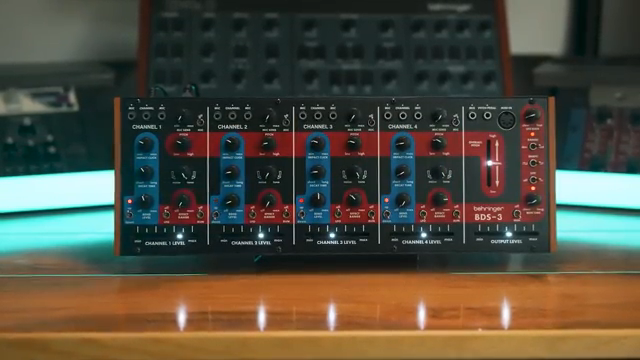
"It features four analog drum channels that will satisfy drum programmers as well as sound designers."
© Screenshot/Quote: Behringer (YouTube)
Four Channels, Infinite Possibilities
Central to the BDS-3’s design are its four identical analog drum channels, each capable of acting as an independent sound source. This multi-channel approach allows users to layer classic drum machine sounds or assign each channel to a different percussive or experimental role within a patch. Behringer makes it clear that the BDS-3 isn’t just about recreating old-school drum kits—it’s a platform for building entirely new textures as well.
The modulation system is highlighted as a key ingredient in this versatility. With straightforward controls, users can quickly dial in everything from punchy, familiar drum hits to evolving, modulated effects. The video demonstrates how the BDS-3’s architecture encourages hands-on tweaking and real-time performance, making it suitable for both studio production and live improvisation.
Hands-On Control: Pitch, Decay, and Modulation
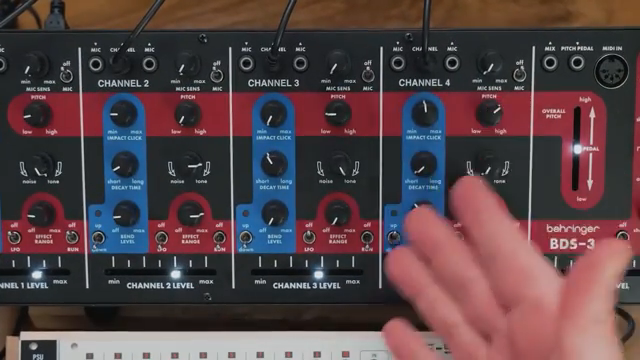
"You've got the oscillator pitch here and that will also go into dog hearing territory so watch your ears."
© Screenshot/Quote: Behringer (YouTube)
Each channel of the BDS-3 is equipped with a suite of controls designed for deep sound shaping. The oscillator pitch knob covers a wide range, from subby kicks to high-frequency blips, and can even venture into ultrasonic territory. An impact click control shapes the transient, adding bite or smoothing out the attack as needed, and remains effective across different pitch settings—ideal for dialing in convincing toms or snappy snares.
Decay and pitch bend envelopes provide further sculpting options. The decay sets the length of each drum hit, while the pitch bend envelope can be directed either downward or upward, lending definition and character to the attack phase. Switching a channel to noise mode transforms the pitch control into a low pass filter, opening up classic synth snare and hi-hat territory. The effect range control blends in LFO and runtime effects, with the LFO offering variable rate and shape (square or sine), and the runtime effect introducing a non-retriggering pitch drop for evolving textures. Together, these controls make each channel a playground for both precise drum programming and wild sound design.
Inputs Galore: From CV to Microphone
The BDS-3 doesn’t skimp on connectivity, offering a range of input methods to suit different workflows. Each channel features a mic input on the top panel, which doubles as an analog trigger input—compatible with both V-trig and S-trig signals. This allows for integration with vintage drum pads, sequencers, or modular gear. The inclusion of a mic sensitivity control and a dedicated mic on/off switch means you can even trigger the BDS-3 directly from a drum microphone, bringing acoustic kits or external percussion into the analog fold.
MIDI DIN and USB connections are present for digital control, alongside pedal inputs for pitch and decay manipulation. Each channel sports its own volume fader and output, while a global mix output and MIDI thru round out the back panel. This array of options positions the BDS-3 as a flexible hub for both studio setups and live rigs, accommodating everything from DAW sequencing to hands-on, mic-triggered performance.
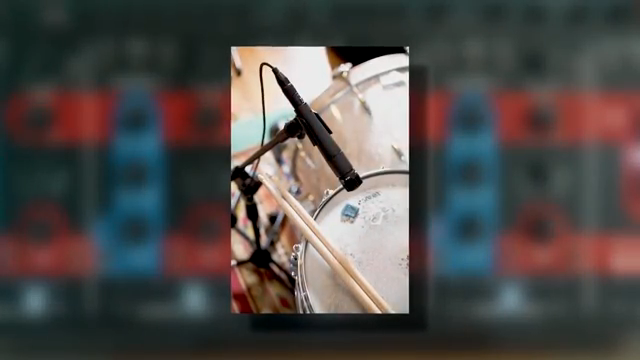
"These inputs will also accept a microphone signal and that's why you have a mic sensitivity control and the mic on switch."
© Screenshot/Quote: Behringer (YouTube)
Retro Looks, Modern Tricks
Visually, the BDS-3 leans heavily into retro aesthetics, echoing the design language of early drum synths while updating the feature set for today’s users. The panel layout is clean and approachable, with faders and knobs inviting hands-on interaction—a nod to the tactile workflows of classic drum machines. Yet, beneath the vintage exterior, Behringer has packed in modern conveniences like MIDI, USB, and flexible modulation, ensuring the BDS-3 isn’t just a nostalgia piece.
The video closes by positioning the BDS-3 as a super-jammable, performance-ready instrument that captures the spirit of classic drum synthesis while offering enough depth for contemporary sound design. Behringer’s accessible approach is evident throughout, aiming to make analog drum synthesis both fun and approachable for a new generation of creators, without sacrificing the quirks and character that made the originals so beloved.
This article is also available in German. Read it here: https://synthmagazin.at/behringer-bds-3-analoge-drumsynthese-neu-gedacht/
Watch on YouTube:
Latest articles
Watch on YouTube:
Visit the channel:
https://www.youtube.com/behringer
https://www.youtube.com/behringer
Links from behringer:
website: https://www.behringer.com
facebook: https://www.facebook.com/Behringer
twitter: https://twitter.com/BEHRINGER
instagram: https://instagram.com/Behringer
Sponsored links:
If you purchase via these links, we may earn a small commission – at no extra cost to you. The link opens an Amazon keyword search, and results may vary depending on availability.
Behringer BDS-3
🔗 Check price on Amazon
🔗 Check price on Amazon