Behringer, never shy of reviving a classic, drops the BDS-3—a semi-modular analog drum synthesizer aimed squarely at both sound designers and beatmakers with a penchant for voltage control. In this official video, Behringer walks us through the BDS-3’s four-channel architecture, modulation tricks, and hands-on controls, all while nodding to the legendary drum synths of the 1980s. Expect a blend of nostalgia and modern workflow, with MIDI, CV, and even mic inputs for triggering. If you’re after punchy analog drums, weird percussive effects, or just another excuse to reroute your patch cables, this one’s worth a closer listen.

29. November 2025
MILES
Behringer BDS-3: Analog Drum Synthesis Reborn for the Patch-Hungry
A Classic Drum Synth for Modern Patchers
The Behringer BDS-3 is introduced as a semi-modular analog drum synthesizer, channeling the spirit of early British drum synths that helped shape the sound of the 1980s. Behringer positions the BDS-3 as both a faithful reproduction and a modern tool, referencing the era’s iconic synthesized drum sounds and the unmistakable visual flair of classic kits. The video sets the stage with a bit of nostalgia, but quickly pivots to the BDS-3’s role as a hands-on instrument for today’s producers and sound designers.
From the outset, Behringer makes it clear that the BDS-3 isn’t just for retro enthusiasts. The focus is on creative control and flexibility, with a design that invites both straightforward drum programming and more adventurous sound design. The BDS-3 aims to bridge the gap between classic analog character and contemporary workflow, offering a platform for everything from punchy beats to experimental textures.
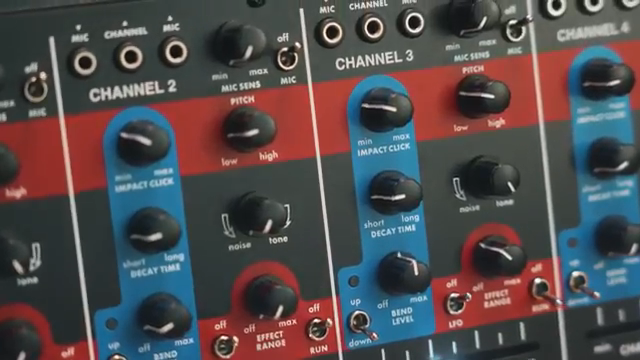
"A faithful reproduction of one of the very early drum synths that helped kickstart the revolution of synthesized drums in popular music."
© Screenshot/Quote: Behringer (YouTube)
Four Channels, Infinite Percussive Potential
"It features four analog drum channels that will satisfy drum programmers as well as sound designers."
© Screenshot/Quote: Behringer (YouTube)
Central to the BDS-3’s appeal are its four identical analog drum channels, each capable of generating a wide range of percussive sounds. The video highlights the ability to synthesize not just the usual suspects—bass drums, snares, toms, and cymbals—but also bells, gongs, and more esoteric effects. This breadth is made possible by the flexible architecture and analog signal path, which encourage users to push beyond conventional drum programming.
Behringer demonstrates how each channel can be tailored for different roles within a kit, or even used for melodic or textural duties. The BDS-3’s design invites experimentation, whether you’re after classic drum machine tones or something altogether stranger. The result is a box that can anchor a rhythm section or become the source of unexpected sonic surprises.
Modulation Playground: Shaping and Warping Drums
The BDS-3’s modulation system is at the heart of its sound-shaping capabilities. Each channel features controls for oscillator pitch, impact click, decay envelope, and a pitch bend envelope—allowing for everything from tight, punchy hits to long, evolving drum tones. The video walks through these controls, showing how the pitch can be pushed into ultrasonic territory, and how the impact click shapes the transient character across different pitches.
A noise generator mode is also available, with the pitch control doubling as a low pass filter—ideal for crafting synth snares and hi-hats. The modulation section includes an LFO with variable rate and shape (square or sine), which can be mixed in for additional movement or audio-rate effects. There’s also a runtime effect that adds a downward pitch shift over time, independent of the main envelope, enabling more complex, evolving drum sounds. Together, these features make the BDS-3 a versatile tool for both bread-and-butter drums and experimental percussion.

"Pitch bend envelope which is set to downward at the moment so as you can hear it adds some nice definition to the impact of the drum."
© Screenshot/Quote: Behringer (YouTube)
Connectivity for the Real World: MIDI, CV, and More
Integration is a strong suit for the BDS-3, with a range of connections designed for both studio and live use. The front panel offers a master pitch fader, which can be controlled via CV pedal input, and each channel has its own volume fader and individual output. MIDI DIN input and a 3.5mm mix output are provided, while the rear panel adds USB MIDI, MIDI thru, a quarter-inch output jack, and additional CV pedal and decay kill inputs.
Behringer’s approach here is to make the BDS-3 as patch-friendly as possible, whether you’re sequencing from a DAW, triggering via CV, or integrating into a larger modular or pedalboard setup. The inclusion of both MIDI and analog control options means the BDS-3 can slot into a variety of workflows without fuss, and the per-channel outputs open up further routing and processing possibilities.
Mic Inputs: Acoustic Meets Electronic
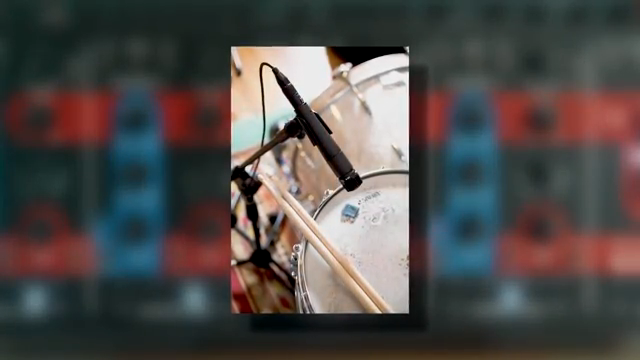
"These inputs will also accept a microphone signal and that's why you have a mic sensitivity control and the mic on switch."
© Screenshot/Quote: Behringer (YouTube)
A standout feature of the BDS-3 is the inclusion of mic inputs on each channel, adding a layer of flexibility for those working with acoustic sources. These inputs double as analog trigger inputs, accepting both V-trig and S-trig signals for compatibility with a range of external gear. The video demonstrates how the mic sensitivity control and dedicated mic on/off switch allow for precise triggering, whether from a drum pad or a live microphone.
This design nods to old-school drum synth workflows, where acoustic drums or pads could trigger analog voices directly. The BDS-3’s mic inputs are also velocity sensitive, preserving dynamic nuance when used with real drum mics or pads. Each channel even offers a mic output, enabling further signal routing or processing. For hybrid setups or those wanting to blend acoustic and electronic percussion, this feature adds genuine utility.
This article is also available in German. Read it here: https://synthmagazin.at/behringer-bds-3-analoge-drumsynthese-fuer-patch-fans-neu-aufgelegt/
Watch on YouTube:
Latest articles
Watch on YouTube:
Visit the channel:
https://www.youtube.com/behringer
https://www.youtube.com/behringer
Links from behringer:
website: https://www.behringer.com
facebook: https://www.facebook.com/Behringer
twitter: https://twitter.com/BEHRINGER
instagram: https://instagram.com/Behringer
Sponsored links:
If you purchase via these links, we may earn a small commission – at no extra cost to you. The link opens an Amazon keyword search, and results may vary depending on availability.
Behringer BDS-3
🔗 Check price on Amazon
🔗 Check price on Amazon