Step into the world of Oliver Torr, where sound design blurs into speculative fiction and every patch cable is a portal to a new reality. In this Bastl Instruments feature, Oliver unpacks his approach to world-building through sound, using the Citadel and Kastle 2 Wave Bard as tools for controlled chaos and creative exploration. The video is less a product demo and more a philosophical jam session, revealing how personal sample packs, environmental recordings, and a dash of unpredictability can transform modular improvisation. Bastl’s open, community-driven ethos is the perfect backdrop for this journey—reminding us that sometimes, the best sounds are the ones you didn’t plan for.

21. November 2025
MILES
Bastl Instruments & Oliver Torr: Building Sonic Worlds, One Patch at a Time
Bastl Instruments Basil, Bastl Instruments Bestie, Bastl Instruments Citadel, Bastl Instruments Kastle 2 Wave Bard, Bastl Instruments Trinity, Dirty Electronics FX Wizard
World-Building as Sonic Philosophy
Oliver Torr opens the discussion by framing his sound design practice as an act of world-building, not just a technical exercise. He sees every object, space, and fleeting moment as raw material for constructing new sonic realities. This approach is less about chasing perfect sounds and more about exploring the creative process—embracing improvisation, micro-compositions, and the unpredictable outcomes that emerge from experimental research.
The video sets the tone for a journey into how context and inspiration shape sound. Oliver’s process is intentionally open-ended, inviting the viewer to witness the same methods that went into his special Citadel sample pack. It’s a reminder that, in modular synthesis, the boundaries between artist, instrument, and environment are often gloriously blurred.
Curating the Citadel Sample Pack
The heart of Oliver’s contribution to Bastl’s Citadel lies in a sample pack that’s both personal and practical. Rather than aiming for generic utility, he’s curated sounds that he finds genuinely useful for improvisation—whether in the studio or on stage. The organization of these samples reflects his natural workflow, making them immediately playable and inspiring for spontaneous sessions.
Oliver’s history with Bastl’s Kastle series is evident, having previously crafted the Wave Bard’s base sample pack. While that earlier work was designed with universality in mind, the Citadel pack is more idiosyncratic—filled with the textures and timbres he reaches for most often. There’s even mention of a hidden Easter egg in the Wave Bard’s factory bank, hinting at Oliver’s penchant for playful sonic surprises.
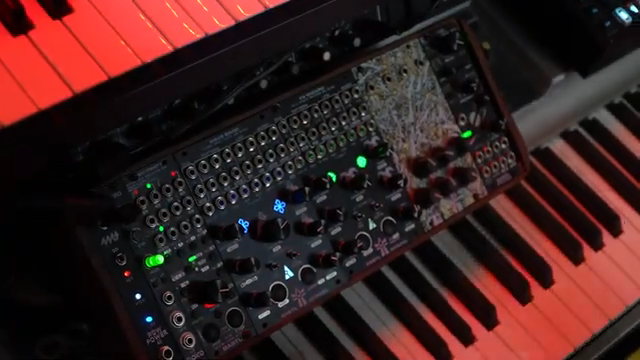
"This Citadel sample pack is basically a collection of sounds that I find useful in these more kind of improvised sessions."
© Screenshot/Quote: Bastlinstruments (YouTube)
Structured Chaos: Tools for Expressive Sound
"If this is a 100% chaos, or let's say this 95% chaos. Then for me the Wave Bards are let's say 50% chaos."
© Screenshot/Quote: Bastlinstruments (YouTube)
Oliver describes his use of the Kastle 2 Wave Bard and other devices as a balancing act between chaos and control. He likens some machines to pure unpredictability, while the Wave Bard offers a more nuanced spectrum—allowing him to dial in just the right amount of disorder with a twist of a knob. This approach turns the instrument into a rhythmic chaos machine, ideal for improvisational jams where surprises are part of the fun.
To further shape his setup, Oliver has built custom augmentations—like button matrices and holders—that let him interact with multiple Bards and other Bastl modules in creative ways. Over time, he’s developed a tactile familiarity with these instruments, striving to play them almost instinctively. This hands-on relationship is at the core of his expressive, moment-driven sound design.
Merging Reality and Imagination: Environmental Sound Workflows
The video shifts into practical territory as Oliver demonstrates how he integrates environmental sounds into his workflow. Using wireless microphones and Ableton, he captures the ambient noise of city life—cars passing, intersections humming—and weaves these real-world textures into his improvisational sessions. This process isn’t about pristine field recording; it’s about letting the outside world inform and inspire the music in real time.
By manipulating these sounds—pitch-shifting, looping, and layering—Oliver creates overlapping sonic realities. He describes the experience of listening to both the present and a frozen moment from the past, blurring the line between documentation and creation. For Oliver, world-building is as much about context and imagination as it is about the sounds themselves.
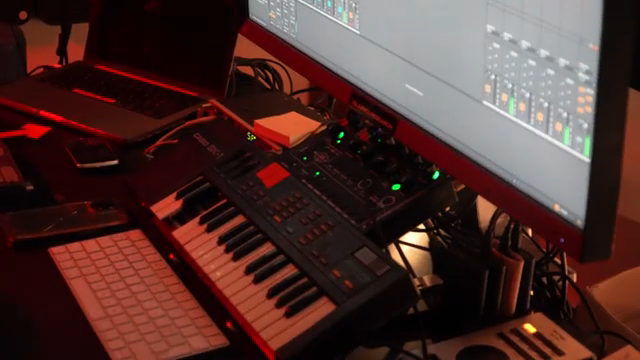
"And on that we're listening to reality. So we've created two realities, one that's looping and one on top that's the same context, but it's the present."
© Screenshot/Quote: Bastlinstruments (YouTube)
A Meeting of Minds: Oliver Torr & Bastl Instruments

"I feel like I can relate to what they're trying to say or what they're trying to build."
© Screenshot/Quote: Bastlinstruments (YouTube)
The partnership between Oliver and Bastl Instruments is more than a typical artist endorsement. Oliver speaks of a genuine connection to the Bastl community, having collaborated with the team for years and developed friendships with the designers. This sense of shared philosophy is reflected in both his approach to sound and the instruments themselves—tools that are as inspiring to look at as they are to play.
Bastl’s ethos of openness, experimentation, and human-centred design resonates throughout the presentation. Oliver’s workflow—whether it’s running environmental audio through the Time module or building 3D-printed instruments for collaborative projects—embodies the idea that sound creation is a living, evolving process. The video closes with a nod to individuality: every artist’s universe is unique, and the best gear is the kind that helps you open your own portals.
This article is also available in German. Read it here: https://synthmagazin.at/bastl-instruments-oliver-torr-klangwelten-bauen-ein-patch-nach-dem-anderen/
Watch on YouTube:
Latest articles
Watch on YouTube:
Visit the channel:
https://www.youtube.com/bastlinstruments
https://www.youtube.com/bastlinstruments
Links from bastlinstruments:
linkinbio: https://linkin.bio/bastlinstruments
instagram: https://instagram.com/bastlinstruments
facebook: https://facebook.com/bastlinstruments
twitter: https://twitter.com/bastlinstrument
soundcloud: https://soundcloud.com/bastl-instruments
Sponsored links:
If you purchase via these links, we may earn a small commission – at no extra cost to you. The link opens an Amazon keyword search, and results may vary depending on availability.
Bastl Instruments Basil
🔗 Check price on Amazon
🔗 Check price on Amazon
Bastl Instruments Bestie
🔗 Check price on Amazon
🔗 Check price on Amazon
Bastl Instruments Citadel
🔗 Check price on Amazon
🔗 Check price on Amazon
Bastl Instruments Kastle 2 Wave Bard
🔗 Check price on Amazon
🔗 Check price on Amazon
Bastl Instruments Trinity
🔗 Check price on Amazon
🔗 Check price on Amazon
Dirty Electronics FX Wizard
🔗 Check price on Amazon
🔗 Check price on Amazon