Arturia’s Bus TRANSIENT steps into the spotlight as a multi-band transient shaper, promising to redefine how producers approach clarity and punch in electronic music mixes. In this official track breakdown, Arturia demonstrates the plugin’s reach across drums, bass, vocals, and more, showing off its ability to carve, glue, and energize a full arrangement. The focus here is on workflow: how Bus TRANSIENT’s architecture and feature set translate into practical, creative mixing moves. If you’re curious about how digital transient shaping can transform your tracks, this video offers a detailed, hands-on look—direct from the source.
15. October 2025
LYRA
Arturia’s Bus TRANSIENT: Sculpting Mixes with Multiband Precision
Meet Bus TRANSIENT: Multiband Muscle for Modern Mixing
Arturia opens the session by positioning Bus TRANSIENT as a powerful multi-band transient shaper, purpose-built for creative mixing in electronic music. The plugin is not just a one-trick pony; it’s deployed across nearly every track in the project, from drums and bass to synths, vocals, and even effect layers. This sets the stage for a workflow where transient shaping is not an afterthought, but a central sculpting tool.
The video’s introduction makes it clear that Bus TRANSIENT is designed to enhance both clarity and punch, while also allowing users to shape the character of individual sounds. By embedding the plugin throughout the arrangement, Arturia demonstrates a philosophy of using digital processing as an integral part of the mix architecture, rather than as a last-minute fix. The approach is systematic, with each element treated to its own tailored transient and tonal adjustments.
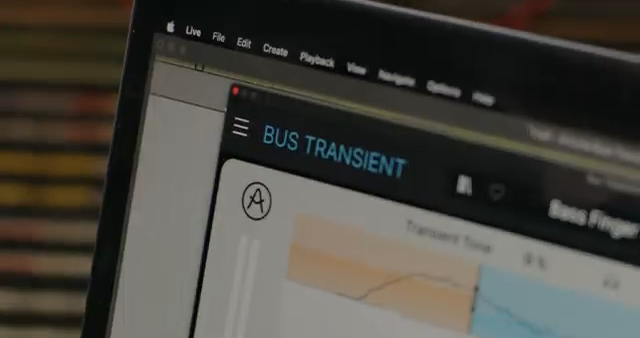
"This plugin is a powerful multi-bump transient shaper and in this project it's been used across almost every track, from drums and bass, to synths, vocals and even effect synths."
© Screenshot/Quote: Arturiaofficial (YouTube)
Clarity, Punch, and Character: Across the Mix
"This means the bass keeps its low end power but gains articulation and presence in the mids."
© Screenshot/Quote: Arturiaofficial (YouTube)
The walkthrough begins with the bass, where Bus TRANSIENT is used to add articulation in the midrange above 430 Hz, leaving the sub untouched. This move ensures the bass remains powerful in the low end while gaining presence and clarity in the mix—a classic use of multiband processing that keeps the groove locked with the kick. The stabs, acting as rhythmic punctuation, are treated with increased mid-body and transient, while the highs are tightened. Clipping is introduced to add harmonic grit, making these stabs punchier and almost percussive in function.
Drums receive a similar treatment, with the plugin emphasizing the 2 kHz to 20 kHz range to bring out transient detail and body in the highs. This results in drums that are more defined and forward in the mix. The kick, after processing, loses its roominess and becomes tight and punchy, syncing perfectly with the bassline. The snare benefits from added body above 630 Hz, resulting in a longer, weightier sound, while clipping introduces both harmonics and peak control. Each example is played both dry and processed, making the before-and-after impact unmistakable.
The reverse chord and vocals are also highlighted. The reverse chord, processed with the “bass finger punch” preset, gains a glitchy, unpredictable texture—almost like a worn tape machine. Vocals, both lead and effects, are given more body and clipping, resulting in a sound that is bold, harmonically rich, and able to cut through dense arrangements. The video consistently demonstrates how Bus TRANSIENT can transform the role of each element in the mix, not just tweak its surface.
Feature Focus: Midrange Articulation and Harmonic Clipping
A key feature demonstrated is the ability to target specific frequency bands for transient and body shaping. For instance, adding transients in the midrange of the bass while leaving the sub frequencies untouched allows for a more articulate sound without sacrificing low-end power. This level of control is essential for modern mixes where clarity and separation are paramount.
Clipping is another standout tool in Bus TRANSIENT’s arsenal. By introducing harmonics and subtle distortion, the plugin not only adds aggression and grit but also helps control peaks. This is especially evident on the stabs and snare, where clipping transforms the sound from clean and polite to bold and energetic. The video’s workflow demonstrates how these features can be used creatively, not just for corrective purposes.
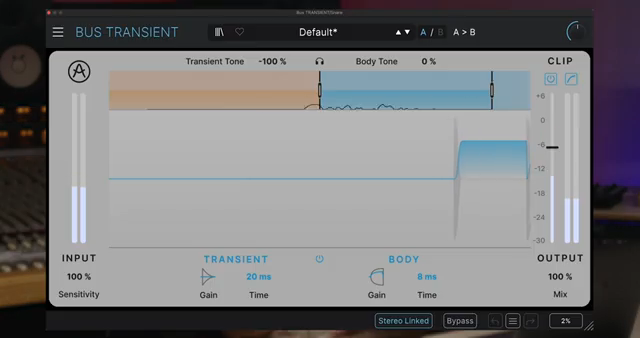
"On top of that, clipping introduces distortion, harmonics and peak control."
© Screenshot/Quote: Arturiaofficial (YouTube)
Mix Cohesion: Processing Tracks and Sends for Fullness
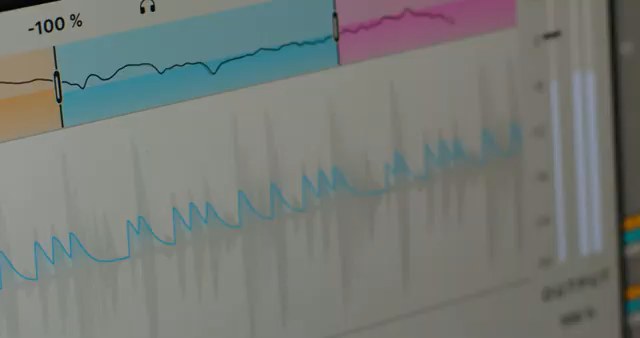
"Together, these two sends tie the arrangement together, adding the final punch and cohesion."
© Screenshot/Quote: Arturiaofficial (YouTube)
The final segment explores how Bus TRANSIENT can be used on sends as well as individual tracks. Send 1 is set up for extreme parallel compression and distortion, thickening the drum group and giving it a glued, cohesive feel. Send 2 leverages the internal clipper for parallel distortion, exciting the mids and reinforcing the subs. These parallel processes are layered back into the mix, adding presence, density, and energy.
By processing both individual elements and grouped sends, Bus TRANSIENT helps tie the arrangement together. The result is a mix that feels energetic and unified, with each element occupying its own space yet contributing to an overall sense of punch and fullness. The video closes by emphasizing that Bus TRANSIENT is not just about subtle tweaks—it’s a transformative tool for creative mixing.
This article is also available in German. Read it here: https://synthmagazin.at/arturia-bus-transient-multiband-praezision-fuer-moderne-mixes/
Watch on YouTube:
Latest articles
Watch on YouTube:
Visit the channel:
https://www.youtube.com/ArturiaOfficial
https://www.youtube.com/ArturiaOfficial
Links from ArturiaOfficial:
website: https://www.arturia.com
instagram: https://instagram.com/arturia_official
twitter: https://twitter.com/ArturiaOfficial
soundcloud: https://soundcloud.com/arturia-official/albums
Sponsored links:
If you purchase via these links, we may earn a small commission – at no extra cost to you. The link opens an Amazon keyword search, and results may vary depending on availability.
Arturia Bus TRANSIENT
🔗 Check price on Amazon
🔗 Check price on Amazon