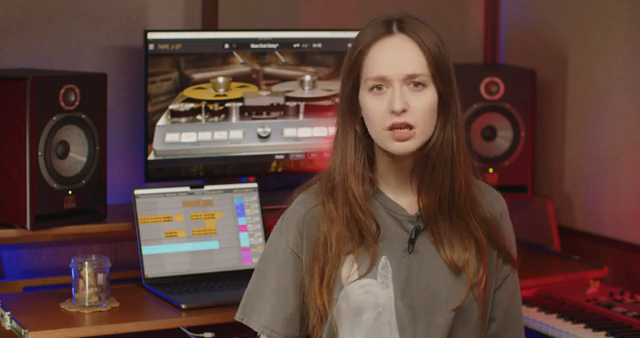
Arturia’s official channel dives deep into their Tape J-37 plugin, showcasing its role in sculpting the sound of an alt-rock track by Raven Bush. This video isn’t just a surface-level preset parade—it’s a focused exploration of how digital tape emulation can shape guitars, drums, synths, and bass, adding analog character and cohesion across a modern production. With a clear, step-by-step breakdown, Arturia demonstrates the plugin’s tape delay, saturation, and EQ tools in real-world mixing scenarios. For anyone interested in hybrid workflows or the architecture of digital tape effects, this is a revealing look at how Tape J-37 fits into the contemporary studio arsenal.
11. January 2025
LYRA
Arturia Tape J-37: Analog Warmth in a Modern Mix – A Track Breakdown
A Digital Tape Machine for Modern Producers
Arturia opens the video by positioning Tape J-37 as a versatile tape emulation plugin, designed to bring the warmth and definition of classic analog tape into the digital workflow. The focus is on how this recreation of the iconic tape machine is used extensively throughout the session, not just as a flavor enhancer but as an essential part of the track’s sonic identity.
The introduction sets the stage for a practical demonstration, promising to show how Tape J-37 imparts warmth, saturation, and a cohesive vibe to the mix. Rather than simply offering a nostalgic effect, Arturia frames the plugin as a tool for modern mixing, capable of gluing elements together and shaping the overall character of a production.
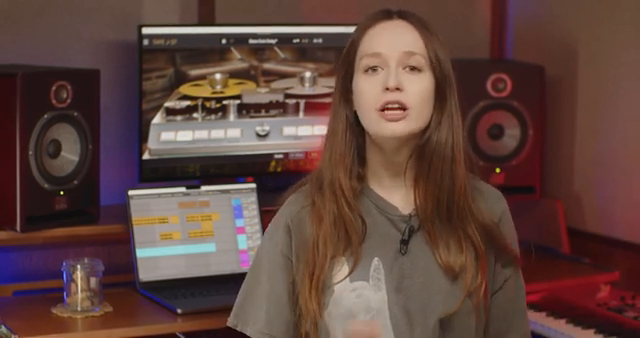
"Our recreation of the iconic tape machine brings warmth, saturation, and a cohesive vibe to the mix."
© Screenshot/Quote: Arturiaofficial (YouTube)
Feature Highlights: Delay, Saturation, and Beyond
"The J37 introduces a touch of tape delay to the main guitar line, giving it a lush vintage ambiance."
© Screenshot/Quote: Arturiaofficial (YouTube)
The walkthrough begins with the guitar group, where Tape J-37’s tape delay module is used to add vintage ambiance and dynamic movement. The main guitar line benefits from a short feedback delay, creating a lush yet controlled space, while a secondary guitar employs a slower delay rate for a more relaxed, contrasting texture. These choices demonstrate the flexibility of the delay engine and its ability to serve both rhythmic and atmospheric roles.
Moving to the drum group, the plugin’s saturation and soft compression features are brought to the forefront. Tape J-37 is used on the drum bus to add punch and glue, with specific attention to enhancing the kick’s low end and the snare’s presence. The result is a drum mix that feels warmer and more cohesive, with analog coloration that avoids harshness.
Character and Cohesion: The Plugin’s Sonic Signature
The video shifts to the synth and keys group, illustrating how Tape J-37’s presets and calibration settings can transform digital instruments. A Mellotron part is enhanced with a chorus delay preset and unstable calibration, lending warmth and a charming unpredictability to the melody. The dotted delay rhythm further enriches the keys, making them stand out in the mix.
A Korg MS-20V patch receives the ‘rusted tape keys’ preset, introducing a lo-fi quality and cosmic vibe. The presenter toggles calibration and speed controls to highlight the range of possible textures, emphasizing the plugin’s ability to inject character into otherwise clean digital sources.
Throughout these demonstrations, Arturia underscores Tape J-37’s role in adding cohesion—not just to individual tracks but to the overall mix. The plugin’s coloration and dynamic shaping are presented as essential tools for achieving a unified, analog-inspired sound.
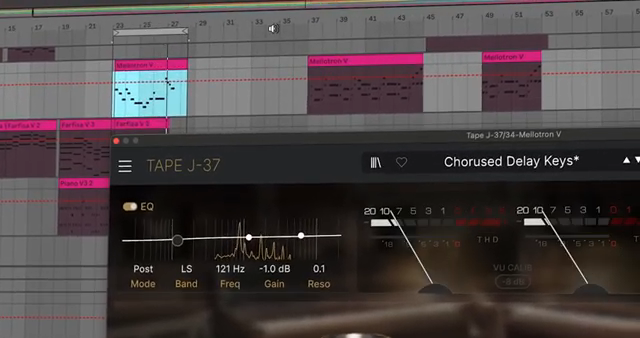
"The unstable calibration settings and the dotted delay rhythm make these keys warm and endearing."
© Screenshot/Quote: Arturiaofficial (YouTube)
Integration Techniques: Delay and EQ in Action
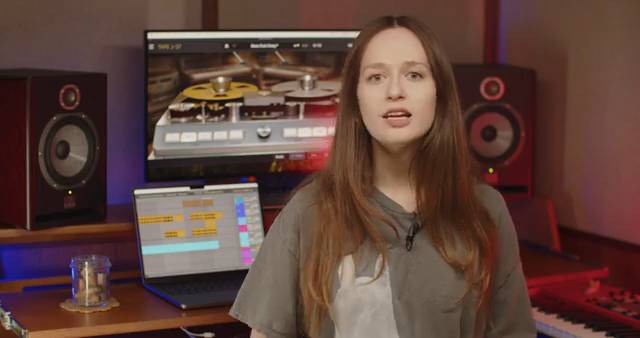
"The J37's tape bus warmer preset was used with the EQ engaged in emphasis mode, together with a moderate amount of drive to provide warmth and stability."
© Screenshot/Quote: Arturiaofficial (YouTube)
The bass group segment spotlights specific integration strategies, such as engaging Tape J-37’s EQ in emphasis mode and dialing in moderate drive. These settings are used to warm up both acoustic and synth bass parts, while a bass fuzz track adds harmonic richness in the higher frequencies. The ‘tape bus warmer’ preset is highlighted for its ability to provide stability and midrange presence.
By demonstrating how calibration, speed, and EQ adjustments interact, the video offers a practical look at the plugin’s workflow. These techniques are not just about adding saturation—they’re about sculpting the bass to sit cohesively within the mix, showing the depth of control available to users.
Creative Mixing Workflows: Alt-Rock Polish with Tape J-37
The breakdown concludes by summarizing Tape J-37’s creative potential in mixing. Multiple instances of the plugin are used across the session, each tailored to the needs of guitars, drums, keys, synths, and bass. The result is a polished alt-rock sound that balances analog warmth with digital precision.
Arturia’s demonstration makes a clear case for Tape J-37 as more than just a vintage effect—it’s a flexible tool for achieving character, glue, and cohesion in modern productions. While the video focuses on musical results rather than deep menu-dives, it effectively showcases the plugin’s workflow and sonic impact.
This article is also available in German. Read it here: https://synthmagazin.at/arturia-tape-j-37-analoge-waerme-im-modernen-mix-ein-track-breakdown/
Watch on YouTube:
Latest articles
Watch on YouTube:
Visit the channel:
https://www.youtube.com/ArturiaOfficial
https://www.youtube.com/ArturiaOfficial
Links from ArturiaOfficial:
website: https://www.arturia.com
instagram: https://instagram.com/arturia_official
twitter: https://twitter.com/ArturiaOfficial
soundcloud: https://soundcloud.com/arturia-official/albums
Sponsored links:
If you purchase via these links, we may earn a small commission – at no extra cost to you. The link opens an Amazon keyword search, and results may vary depending on availability.
Arturia Tape J-37
🔗 Check price on Amazon
🔗 Check price on Amazon