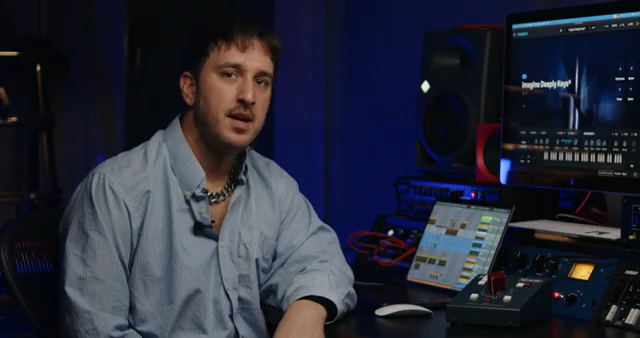
Arturia’s Pigments 7 steps into the IDM arena with a new expansion, and the official channel delivers a focused breakdown of its creative potential. Guided by Alex, the video walks us through evolving keys, modal textures, punchy basses, and glitch-driven FX—all crafted using the latest preset pack. As expected from Arturia, the presentation is clear and workflow-oriented, highlighting not just the sounds but also the macro controls and layering possibilities. For anyone interested in how digital engines and performance macros shape modern production, this is a revealing look at Pigments 7’s architectural depth.
19. December 2025
LYRA
Arturia Pigments 7: IDM Explorations Expansion Dissected
IDM Explorations: A Sonic Palette for Pigments 7
The video opens with a clear statement of intent: this is a deep dive into a track built entirely from the IDM Explorations expansion for Pigments 7. Alex, the presenter, sets the stage by outlining the blend of evolving keys, modal textures, punchy basses, and digital effects that define the expansion’s character. The focus is on how these elements combine to create a detailed, IDM-inspired soundscape.
Rather than just cycling through presets, the breakdown promises to examine each sound in context—how it was constructed and how it supports the track’s structure. This approach is typical of Arturia’s official content, aiming to both inspire and inform users about the creative potential of their latest sound library.
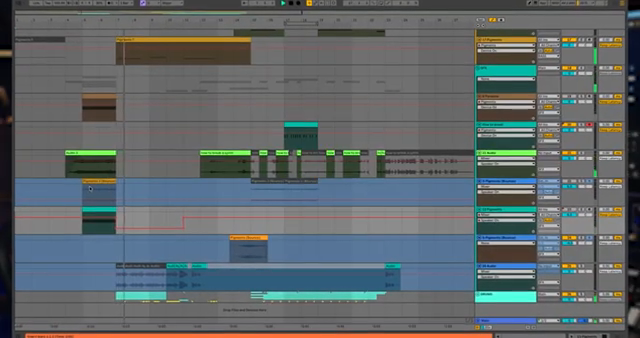
"The arrangement blends evolving keys, modal textures, punchy basses and digital effects to create a detailed, IDM inspired atmosphere."
© Screenshot/Quote: Arturiaofficial (YouTube)
Core Features: Evolving Keys, Basses, and Digital FX
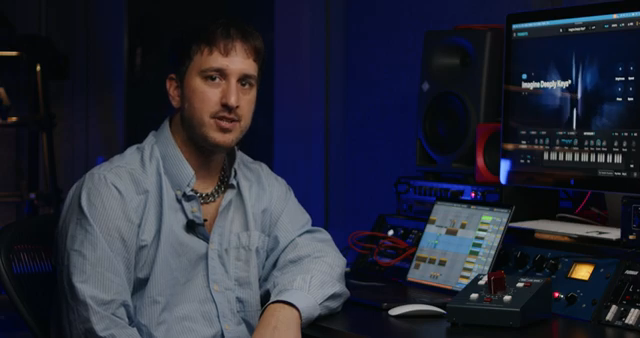
"It introduces the opening texture with a slightly unstable, grainy character."
© Screenshot/Quote: Arturiaofficial (YouTube)
The walkthrough highlights Pigments 7’s ability to deliver evolving key textures and punchy basses, with digital effects playing a central role in shaping the sonic landscape. The first featured preset, Hilltop Keys, introduces an unstable, grainy character that can morph from defined tones to lush atmospheres using macro controls for density and reverb. The mod wheel is leveraged to thin out the sound, making it adaptable within different sections of the arrangement.
Pigments’ granular engine and effects processing are front and center, giving patches distinctive movement and width. The video emphasizes how these core features aren’t just for show—they’re integral to establishing the mood and tonal palette of the track, and their flexibility is demonstrated through real-time parameter tweaks.
Preset Deep Dives: Granular Engines and Modal Resonators
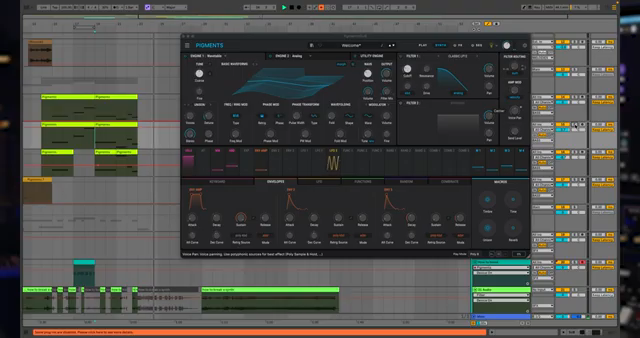
Several presets are dissected to showcase Pigments 7’s advanced sound design engines. Big Clockwork is built from two modal engines using string and beam resonators, with a comb filter adding a metallic, percussive edge. The mod wheel brings an LFO-modulated filter to the foreground, reinforcing the rhythmic, mechanical motion that guides transitions in the track.
Black Parasite demonstrates how granular engines and noise layers can be combined for rising, rhythmic effects. Two effect samples are processed through granular engines, while noise layers and a sub from the utility engine reinforce the low end. Modulated low pass gates, reverb, and distortion are used to shape dynamics and tone, resulting in a compelling build-up.
Time to Move and VeryFit808 further illustrate Pigments’ layering and macro capabilities. Time to Move uses modal engines routed through ripple and rage filters, with macro controls mapped to drive parameters for tension-building automation. VeryFit808 delivers the main low end using dual wavetable engines and transition filters, with timbre controls affecting filter influence and saturation. Imagine Deeply Keys and Welcome round out the palette, with granular engines, phaser automation, and clean sub layers supporting the harmonic structure.
"The patch introduces a mechanical resonant motion that guides the transition toward the first drum drop."
© Screenshot/Quote: Arturiaofficial (YouTube)
Workflow in Action: Arranging and Building Tension
The breakdown isn’t just about isolated sounds—it’s about how they’re arranged to create a cohesive track. Alex demonstrates how each preset is strategically placed to build tension and guide the listener through transitions, particularly around the drop and breakdown sections. Macro controls and filter automation are used to evolve textures and drive the arrangement forward.
This workflow-centric approach underscores Pigments 7’s strength as a compositional tool. By integrating granular, modal, and wavetable engines with flexible macros, users can sculpt intricate soundscapes and dynamic transitions without leaving the instrument’s ecosystem.
A Toolkit for Complex Soundscapes
"The IDM pigments expansion combines granular keys, modal resonances, glitch derived textures and saturated bases offering plenty of tools for building intricate detail rich tracks."
© Screenshot/Quote: Arturiaofficial (YouTube)
Ultimately, the IDM Explorations expansion for Pigments 7 equips composers with a versatile set of tools for crafting detailed, texture-rich tracks. The combination of granular keys, modal resonances, glitch-derived effects, and saturated basses is presented as both inspiring and practical, encouraging users to experiment with modulation and layering to discover their own sonic signatures.
This article is also available in German. Read it here: https://synthmagazin.at/arturia-pigments-7-idm-explorations-expansion-seziert/
Watch on YouTube:
Latest articles
Watch on YouTube:
Visit the channel:
https://www.youtube.com/ArturiaOfficial
https://www.youtube.com/ArturiaOfficial
Links from ArturiaOfficial:
website: https://www.arturia.com
instagram: https://instagram.com/arturia_official
twitter: https://twitter.com/ArturiaOfficial
soundcloud: https://soundcloud.com/arturia-official/albums
Sponsored links:
If you purchase via these links, we may earn a small commission – at no extra cost to you. The link opens an Amazon keyword search, and results may vary depending on availability.
Arturia Pigments 7
🔗 Check price on Amazon
🔗 Check price on Amazon