Arturia’s latest MiniFreak Firmware 4.0 update propels their hybrid synth into new sonic territory with a robust vocoder engine. This official walkthrough from Arturia’s channel details how the update transforms both external audio and internal sounds, offering a suite of creative tools for vocal manipulation and sound design. With new sound subtypes, a streamlined setup via the Gooseneck mic, and a striking Vocoder Edition redesign, MiniFreak’s workflow and performance palette are significantly expanded. We dig into the architecture, hands-on controls, and the practical implications for producers and performers alike.
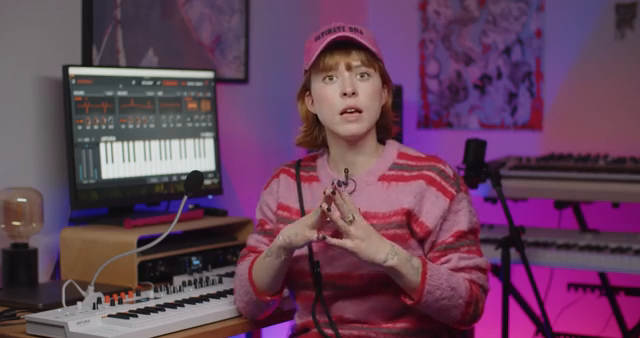
A New Vocal Dimension: Firmware 4.0 Arrives
Arturia’s MiniFreak, already celebrated for its versatile sound engine, receives a significant upgrade with Firmware 4.0. The headline feature is a new vocoder, adding a dedicated vocal processing tool to the instrument’s digital arsenal. This isn’t just a minor tweak; it’s a full-scale expansion that brings voice-driven synthesis and classic robotic textures to the MiniFreak’s workflow.
The update is available to all MiniFreak users, regardless of whether they own the original gray version or the new white Vocoder Edition. Arturia’s approach here is refreshingly inclusive, ensuring that the expanded vocal capabilities and new preset bank are accessible to the entire user base. The video sets the stage for a hands-on exploration of these new creative possibilities.
"adding a vocoder as the new voice processing tool."
© Screenshot/Quote: Arturiaofficial (YouTube)
Dual Vocoder Modes: External and Self
MiniFreak’s vocoder implementation is split into two main modes, each catering to different creative scenarios. The external vocoder mode processes incoming audio—such as vocals—through the synth engine, allowing users to transform their voice or any other external source. This is achieved by plugging a microphone into the rear audio input and selecting the external vocoder effect.
For those who prefer to stay entirely within the MiniFreak ecosystem, the self vocoder mode applies the effect directly to the synth’s internal sounds. No microphone is needed; users can instantly morph patches into vocoded textures. This duality makes the vocoder a flexible tool for both live performance and studio sound design, broadening the instrument’s appeal.
Four Vocoder Flavors: Clean, Vintage, Narrow, Gated
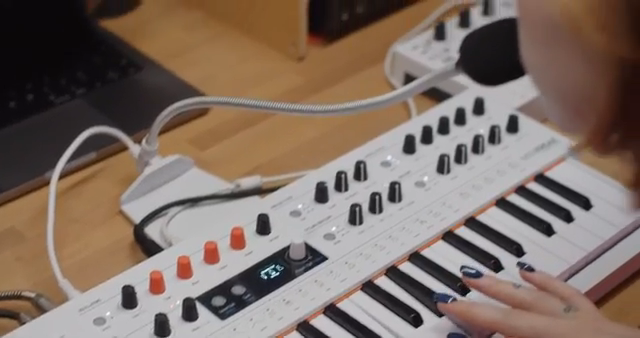
"Narrow for resonant filtered sound design, Gated for percussive, plucky effects that follow your input signal."
© Screenshot/Quote: Arturiaofficial (YouTube)
Arturia’s vocoder update doesn’t stop at basic voice processing. Both vocoder modes feature four distinct subtypes: Clean, Vintage, Narrow, and Gated. Clean mode delivers high-definition, intelligible vocal textures, ideal for clarity and modern pop aesthetics. Vintage mode leans into classic vocoder warmth, offering a nod to iconic electronic records.
Narrow mode introduces resonant, filtered sound design possibilities, while Gated mode generates percussive, plucky effects that respond dynamically to the input signal. This range of subtypes allows users to sculpt everything from robotic leads to experimental textures, all within a single firmware update.
Plug-and-Play: Gooseneck Mic and Preset Bank
To streamline the vocoder experience, the MiniFreak Vocoder Edition ships with a dedicated Gooseneck microphone and a new factory preset bank. The mic plugs directly into the audio input, and a dedicated mic stand is included for immediate setup. This hardware integration removes friction for users eager to experiment with vocal synthesis right out of the box.
The new preset bank features 12 factory sounds—half designed for external vocoding with a mic, and half for self vocoding. This thoughtful curation enables users to explore the full spectrum of vocoder effects without deep menu diving, highlighting Arturia’s focus on workflow and instant gratification.
Vocoder Edition: Aesthetic and Sonic Evolution
Arturia’s limited Vocoder Edition is not just a firmware update—it’s a visual statement. The white and orange chassis sets it apart from the standard gray, signaling both a new look and a new sonic identity. This design refresh is more than cosmetic; it’s meant to reflect the expanded sound palette and creative focus of the updated instrument.
While the new edition emphasizes the vocoder’s capabilities, all MiniFreak owners benefit from the update. The combination of dual-mode vocoding, creative subtypes, and a streamlined setup underscores Arturia’s commitment to evolving their instruments in both form and function.
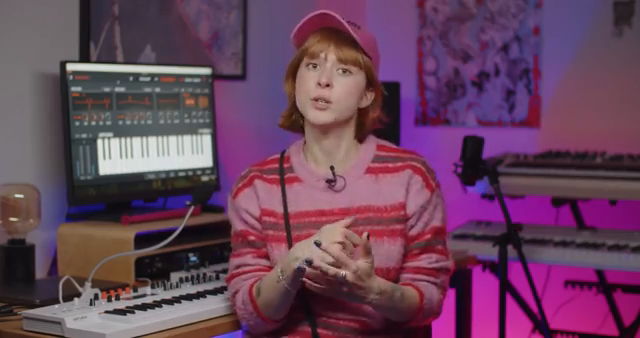
"The all-new white and orange design sets it apart with a fresh expressive appearance that matches the new features inside."
© Screenshot/Quote: Arturiaofficial (YouTube)
This article is also available in German. Read it here: https://synthmagazin.at/arturia-minifreak-firmware-4-0-vocoder-edition-entfesselt/
Watch on YouTube:
Latest articles
Watch on YouTube:
Visit the channel:
https://www.youtube.com/ArturiaOfficial
https://www.youtube.com/ArturiaOfficial
Links from ArturiaOfficial:
website: https://www.arturia.com
instagram: https://instagram.com/arturia_official
twitter: https://twitter.com/ArturiaOfficial
soundcloud: https://soundcloud.com/arturia-official/albums
Sponsored links:
If you purchase via these links, we may earn a small commission – at no extra cost to you. The link opens an Amazon keyword search, and results may vary depending on availability.
Arturia MiniFreak
🔗 Check price on Amazon
🔗 Check price on Amazon