Arturia’s Augmented YANGTZE isn’t just another sample library—it’s a software instrument that fuses the nuanced timbres of traditional Chinese instruments with the power and flexibility of modern synthesis. In this official track breakdown, Lena walks us through a Raven Bush production, dissecting how evocative presets, layered engines, and expressive patterns come together to form a contemporary trap arrangement. As is typical for Arturia’s presentation style, the focus is on workflow: how each layer, from airy melodies to rhythmic plucks, is constructed using a blend of acoustic samples and digital engines. This video is a deep dive into the architecture and musical possibilities of Augmented YANGTZE, offering a clear look at its sound design palette and layering strategies.
1. May 2024
LYRA
Arturia Augmented YANGTZE: Where Tradition Meets Synthesis in a Modern Trap Breakdown
East Meets DSP: The Augmented YANGTZE Concept
Arturia’s Augmented YANGTZE is introduced as a software instrument that bridges the world of traditional Chinese sounds with contemporary synthesis. The video wastes no time establishing this duality: Lena frames the track as a showcase for how sampled Chinese instruments and modern synth engines can be woven together into a cohesive musical statement. The focus is on the instrument’s ability to evoke both the organic expressiveness of acoustic sources and the malleability of digital sound design.
This hybrid approach is not just a marketing tagline—it’s demonstrated in the very first moments of the breakdown, where the arrangement’s foundation is built from both sampled and synthesized elements. The result is a sound palette that feels both rooted in heritage and open to experimental manipulation, setting the stage for the detailed walkthrough that follows.
Layers of Expression: Melodies and Rhythms Unpacked
The video quickly dives into the construction of the intro, highlighting how expressive presets are layered to create airy melodies and subtle rhythmic support. The main melodic line is crafted from the Disse Arhu sample—specifically the “Random Thrill” preset—augmented by granular and analog synth engines. This combination allows the sound to evolve dynamically: as notes are held, brightness and subtle modulation emerge, giving the melody a living, breathing quality.
Supporting tracks add further nuance. A one-note Yangtze track introduces a delicate sparkle using the “Yangtze Heaven” sample, processed through the simpler engine. Meanwhile, a Piper sample with descending pitch brings additional melodic interest. Together, these layers demonstrate the instrument’s capacity for both gentle atmospheres and intricate interplay, all accessible through its preset architecture.
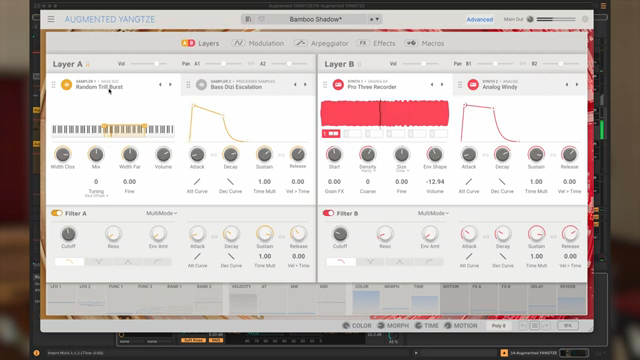
"The sound itself is composed mainly from the Disse Arhu sample, which is backed up by two granular and analog synth engines, offering support for the acoustic side of the tonal spectrum."
© Screenshot/Quote: Arturiaofficial (YouTube)
Under the Hood: Track Sections and Engine Combinations
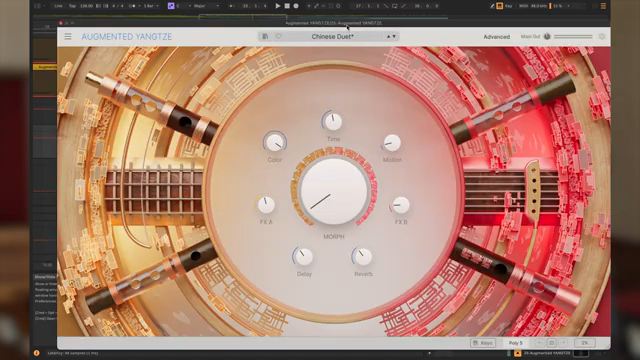
"The sound here is called Chinese Duet and it uses this sharp and plucky guqin sample that is really catchy and ear candy-like."
© Screenshot/Quote: Arturiaofficial (YouTube)
Lena’s walkthrough continues into the heart of the arrangement, where the interplay of samples and synth engines becomes even more pronounced. In the energetic central section, three tracks share similar melodic patterns but are differentiated by their engine configurations. The “Chinese Duet” preset, built around a sharp and plucky guqin sample, is layered with the Wolf Howl pad from the simpler engine in layer A, and Celesta plus another guqin in layer B. This approach results in a sound that’s both catchy and harmonically rich.
Bass duties are handled by the “Beijing Bass Pluck” preset, which leverages an amped guqin sample for high-end character and an analog triangle wave for low-end punch. The motion section introduces even more complexity: the first track uses a yangqin sample in layer A, with a Dise and two synth engines in layer B, creating a bright, sparkling timbre. The second track, “Backyard Whisper,” showcases engine tricks like layering xiao and guqin samples in layer A, while layer B employs two synth engines—one using granular synthesis to mimic sequencer-like grains, and another providing a four-on-the-floor pulse. This section exemplifies how Augmented YANGTZE’s architecture encourages creative layering and modulation.
The outro further demonstrates the instrument’s versatility, with three tracks each driven by different presets. One track is primarily a wavetable engine, another features a guqin sample for acoustic tone, and the third blends processed samples with analog and simpler engines. The result is a descending melody that feels both lush and texturally diverse, rounding out the arrangement with a sense of closure and depth.
Workflow in Practice: Arrangements and Soundscapes
The video makes a strong case for Augmented YANGTZE as a tool for building intricate arrangements. By layering melodies, basses, and rhythmic elements—each powered by different combinations of samples and synthesis engines—users can craft tracks that are both sonically rich and structurally complex. The walkthrough highlights how easily one can move between delicate, atmospheric passages and energetic, modern sections, all within a single instrument.
Beyond the specifics of this track, the demonstration suggests broader use cases: exploring complex soundscapes, experimenting with hybrid textures, and leveraging the instrument’s diverse preset library for inspiration. While the video focuses on a single arrangement, it’s clear that Augmented YANGTZE is designed to be a flexible sound design environment, capable of supporting both traditional motifs and forward-thinking electronic production.
Watch on YouTube:
Latest articles
Watch on YouTube:
https://www.youtube.com/ArturiaOfficial
Links from ArturiaOfficial:
Sponsored links:
If you purchase via these links, we may earn a small commission – at no extra cost to you. The link opens an Amazon keyword search, and results may vary depending on availability.
🔗 Check price on Amazon