Alex Ball, maestro of vintage synths and cinematic grooves, drags the Roland VP-550 out of the 2006 time capsule and onto the slab for a proper inspection. Is this 20-year-old vocal mangler still a secret weapon, or just another relic gathering dust? Expect a deep dive into its choir-morphing, vocoder-twisting madness, with Alex’s signature storytelling and hands-on jams. If you think old gear can’t slap, think again – this one might just surprise you. Read on for the verdict, but trust us: the real magic is in the sounds you’ll only catch in the video.
19. December 2025
SPARKY
Alex Ball’s VP-550 Rave Resurrection: Still a Sonic Street Weapon?
Time-Travel with a Microphone: The VP-550’s Oddball Legacy
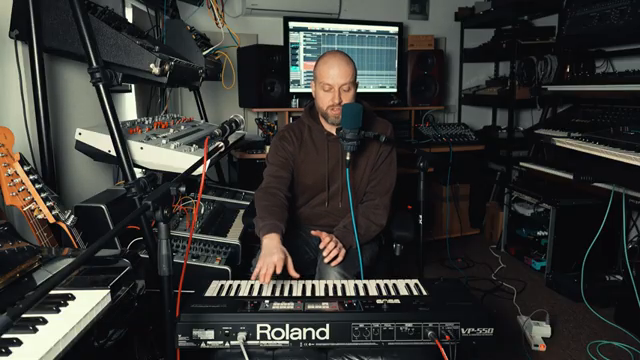
Alex Ball wastes no time reminding us that 2006 is now officially vintage, and the Roland VP-550 is the synth equivalent of a midlife crisis in a shiny silver box. Forget the 70s and 80s – this beast dropped when MySpace was still a thing, and yet it’s got more personality than half the plug-ins on your laptop. The VP-550 isn’t just a nostalgia trip; it’s a hybrid of retro vocal processing and modern digital trickery, straddling the line between classic vocoder and choir-in-a-box.
What makes it stand out, even two decades on, is how it blends that old-school Roland DNA with a fresh approach to vocal synthesis. Alex puts it in context, tracing the VP lineage from the legendary VP-330 through to the VP-9000, before landing on this model’s unique mix of keyboard-controlled pitch and mic-driven carrier signals. It’s not just a rehash – it’s a weird, wonderful evolution that still feels relevant for anyone after something a bit leftfield.
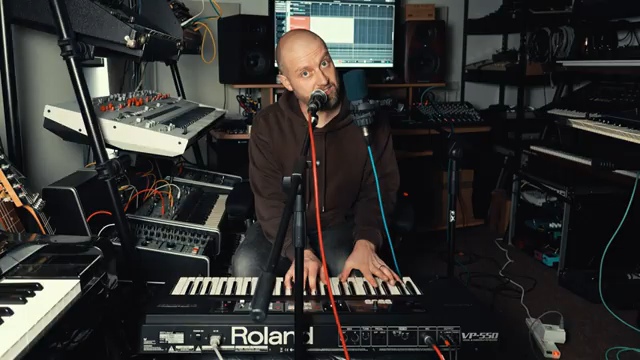
"I hate to break it to you, but that was 20 years ago."
© Screenshot/Quote: Alexballmusic (YouTube)
Vocal Designer and Ensemble: Choirs, Strings, and Party Tricks
The real headline here is the VP-550’s vocal designer – a feature that lets you warp your voice into choirs, harmonies, and uncanny valley territory with a few keys and a mic. Alex runs through a series of short, catchy examples, showing off everything from marching anthems to party chants, all dripping with that unmistakable Roland sheen. It’s not just about robotic vocoding; it’s about stacking harmonies and conjuring up lush, synthetic choirs at the touch of a button.
But the VP-550 doesn’t stop at voices. The ensemble section brings strings, bass, and percussion into the mix, giving you a full-on backing band in a box. Alex’s demos make it clear: this isn’t just a one-trick pony. Whether you’re after cinematic textures or cheesy party vibes, the VP-550’s got you covered – and it does it all with a charm that modern workstations just can’t fake.
Live Power and Redundant Tech: Still Worth the Haul?
"The ensemble section, not really, but the vocal designer absolutely does."
© Screenshot/Quote: Alexballmusic (YouTube)
Back in 2006, the VP-550 made perfect sense for live performers: small, light, and able to conjure choirs and strings on the fly. Alex points out how you could flip between ensemble sounds and harmony vocals in real time, making it a killer tool for gigging musicians. It’s the kind of hands-on flexibility you just don’t get from a laptop and mouse.
Of course, in 2024, you can do all this and more with a modern workstation – so is the VP-550 just a glorified doorstop? Not quite. While the ensemble sounds might not win any awards today, the vocal designer still punches above its weight. Blend it subtly behind a real vocal, and it’s convincing; crank it up to 100% wet, and you’re deep in uncanny valley territory. It’s weird, it’s wonderful, and it still does things modern gear can’t quite replicate.
Experimental Mayhem: Throw Anything at It
Alex doesn’t just stick to the manual – he pushes the VP-550 into experimental territory, running all sorts of signals through its vocal designer and external carrier modes. The results? Sometimes brilliant, sometimes bizarre, always inspiring. This is where the VP-550’s character really shines: it’s dead easy to use, but it rewards anyone willing to get a bit weird with their routing.
Whether you’re mangling vocals, feeding in synths, or just seeing what happens when you press all the buttons at once, the VP-550 keeps delivering surprises. Alex’s experiments are a reminder that some gear just begs to be abused, and the only way to really understand its magic is to hear it in action – which, frankly, you need to do by watching the video. Words don’t do justice to the chaos you can unleash.
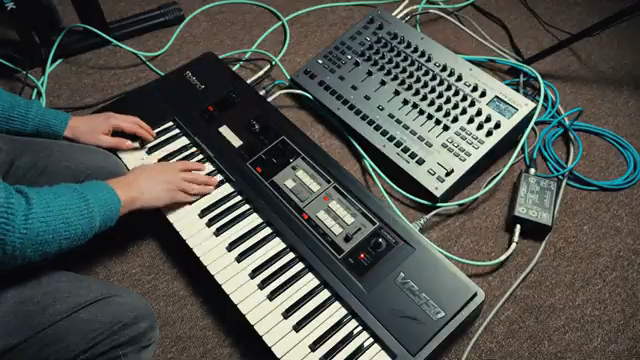
"It's just a cool thing to have around the studio that just does a thing that's quite different to what everything else does."
© Screenshot/Quote: Alexballmusic (YouTube)
Should You Buy One? The Allure of a 20-Year-Old Vocal Mutant
So, does the VP-550 deserve a spot in your studio, or should it stay in the past with flip phones and skinny jeans? Alex admits it’s hard to price these things – he paid £400, but they can go for much more. Still, if you spot one at a reasonable price, it’s a tempting proposition for anyone after a unique vocal processor that stands out from the crowd.
Even after two decades, the VP-550 remains a quirky, inspiring tool that does one thing really well: it makes your vocals sound like nothing else. It’s not for everyone, and it’s not going to replace your DAW, but if you want a bit of vintage Roland weirdness in your arsenal, this is still a street weapon worth hunting down.
This article is also available in German. Read it here: https://synthmagazin.at/alex-ball-und-das-vp-550-vintage-vocoder-oder-strassenwaffe/
Watch on YouTube:
Latest articles
Watch on YouTube:
Visit the channel:
https://www.youtube.com/AlexBallMusic
https://www.youtube.com/AlexBallMusic
Links from AlexBallMusic:
Patreon: https://patreon.com/AlexBallMusic
Bandcamp: https://alexball.bandcamp.com/releases
Instagram: https://instagram.com/alexballmusic
Facebook: https://facebook.com/alexballmusic
Alex Ball Music: https://alexballmusic.com
Sponsored links:
If you purchase via these links, we may earn a small commission – at no extra cost to you. The link opens an Amazon keyword search, and results may vary depending on availability.
Roland VP-550
🔗 Check price on Amazon
🔗 Check price on Amazon