Step into a world where sound shimmers like stained glass and choirs drift through analog mist. Alex Ball, ever the cinematic storyteller, guides us through the rare Farfisa Polychrome—a synth that exhales spectral harmonies and tactile nostalgia. With poetic reverence, Ball unpacks its history and unique voice, weaving together sonic ghosts and modern creators like Hainbach. This is not just a demo, but an invitation to experience the Polychrome’s magnetic resonance, where each note blooms and dissolves in a nebula of vintage Italian circuitry. Prepare to float inside a machine that sings beyond its era.
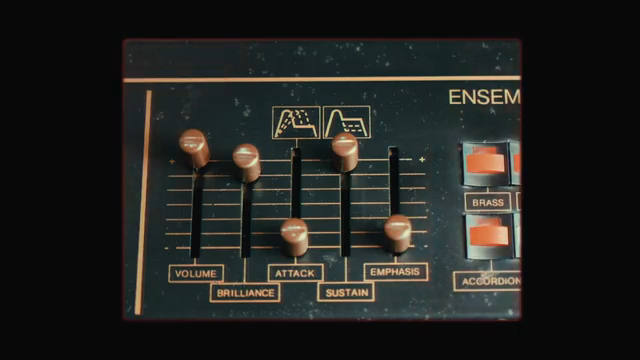
16. January 2026
LUMINA
Alex Ball Invokes the Farfisa Polychrome: Choirs from the Analog Stratosphere
Emergence of a Polyphonic Rarity
The Farfisa Polychrome arrives in the narrative like a relic unearthed from beneath layers of analog dust—a rare jewel from the late 1970s, its presence both spectral and immediate. Alex Ball’s first encounter with this instrument is painted as a moment of awe, a meeting with a machine that seems to hum with the memories of forgotten studios and Italian workshops. The Polychrome’s reputation as an elusive artifact is underscored by its scarcity and the reverence it commands among synth devotees.
This is not simply another polyphonic synthesizer; it is a vessel for unique sound worlds. Its divide-down, paraphonic architecture allows for lush, simultaneous voices, while its tactile controls invite hands to sculpt clouds of resonance and shimmer. The Polychrome’s very existence feels improbable—a fleeting apparition, now brought into focus for us to witness its sonic bloom.
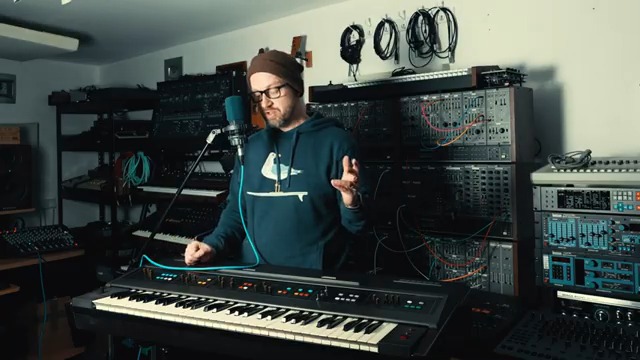
"The Farfisa Polychrome, and I thought if I could ever get hold of one of those, I'd love to do a feature on it."
© Screenshot/Quote: Alexballmusic (YouTube)
Tracing the Farfisa Lineage
"Released in the late 70s, the Polychrome concentrated only on polyphonic sounds, albeit divide-down and paraphonic, and did away with the mono-synth."
© Screenshot/Quote: Alexballmusic (YouTube)
To understand the Polychrome is to trace the veins of Farfisa’s history, pulsing with post-war ambition and the restless search for new timbres. Ball guides us through the company’s evolution, from accordion roots to the electronic organs that colored the soundtracks of both European salons and American stadiums. The Polychrome emerges as a late chapter in this saga, a response to shifting musical tides and the hunger for polyphony.
Within this context, the Polychrome’s impact is magnified. It stands as a testament to Farfisa’s willingness to experiment, to infuse their machines with both technical innovation and a touch of eccentricity. The synth’s brief production run and eventual rarity only deepen its mystique, making each surviving unit a kind of sonic time capsule—one that Ball opens with both curiosity and respect.
A Choir of Circuits: Sound Demos and Sonic Alchemy
The heart of Ball’s exploration is a series of sound demonstrations that reveal the Polychrome’s true voice—a choir conjured from circuitry, shimmering with otherworldly color. The instrument’s percussive, string, and ensemble sections are unveiled like layers of fog, each with their own tactile quirks and spectral charm. The vocal chorus, in particular, emerges as a magnetic force: a nebula drone that hovers between human and machine, evoking the uncanny valley with every breath.
Ball’s hands coax out textures that are at once familiar and alien—classic ‘70s strings, brass that exhales with a ghostly presence, and phasers that ripple like light through water. The Polychrome’s idiosyncrasies are celebrated: noise generators that add breath, touch brilliance that responds to the performer’s intent, and modulation that bends time and space. This is not a synth to be tamed, but one to be explored, its architecture inviting sonic storytelling at every turn.
Yet, the true magic lies in how these elements combine. When Ball layers the choir, strings, and percussive attack, the result is a soundscape that feels both cinematic and intimate—a slow-motion explosion of color and resonance. The Polychrome does not simply play notes; it paints with them, leaving trails of light and shadow in its wake.
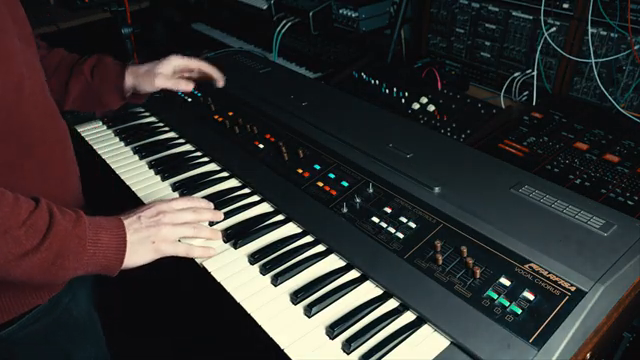
"Just a gorgeous sound, isn't it?"
© Screenshot/Quote: Alexballmusic (YouTube)
Modern Voices: Hainbach and the Polychrome’s Contemporary Allure

"These choir sounds fall in an uncanny valley, which makes them rather interesting to use in music."
© Screenshot/Quote: Alexballmusic (YouTube)
The Polychrome’s story does not end in the past. Ball invites Hainbach—a modern conjurer of electronic ghosts—to share his own fascination with the instrument. For Hainbach, the Polychrome’s electronically generated choirs are a source of endless inspiration, their uncanny warmth threading through albums and film scores alike. He speaks of the joy in assembling evolving patches, where a single note can set off a cascade of voices, strings, and phasers, all blooming in magnetic resonance.
This contemporary embrace underscores the Polychrome’s timelessness. Its quirks and limitations become strengths in the hands of today’s sonic explorers, who find in its circuitry a portal to new emotional landscapes. The instrument’s allure is not nostalgia alone, but the promise of discovery—a machine that continues to reveal new stories with every touch.
Immersion in Analog Atmosphere
For those drawn to the tactile poetry of the Polychrome, Ball’s video is an invitation to drift inside its sound. The demonstrations are not mere technical exercises, but immersive experiences—each patch a new world, each choir a shifting mist. To truly feel the impact of this instrument, one must hear its harmonics bloom and dissolve, its textures weaving through the air like sonic ghosts. The video’s sound examples are best experienced firsthand, where the Polychrome’s nebula drones and fractured light can envelop the listener completely.
This article is also available in German. Read it here: https://synthmagazin.at/alex-ball-beschwoert-den-farfisa-polychrome-choere-aus-der-analogen-stratosphaere/
Watch on YouTube:
Latest articles
Watch on YouTube:
Visit the channel:
https://www.youtube.com/AlexBallMusic
https://www.youtube.com/AlexBallMusic
Links from AlexBallMusic:
Patreon: https://patreon.com/AlexBallMusic
Bandcamp: https://alexball.bandcamp.com/releases
Instagram: https://instagram.com/alexballmusic
Facebook: https://facebook.com/alexballmusic
Alex Ball Music: https://alexballmusic.com
Sponsored links:
If you purchase via these links, we may earn a small commission – at no extra cost to you. The link opens an Amazon keyword search, and results may vary depending on availability.
Farfisa Polychrome
🔗 Check price on Amazon
🔗 Check price on Amazon