In this second installment of MPC Academy Sessions, Akai Professional’s Andy Mac dives deep into the creative and technical possibilities of the MPC Key 37. The session, filmed at Guitar Center Hollywood, is a hands-on exploration of beat-making, sound selection, and advanced workflow techniques. Andy demonstrates how textured samples, layered drums, Q-link controls, and resampling can transform simple melodies into full productions. For producers interested in maximizing creative output and efficiency, this video offers a practical, architecture-focused look at what makes the MPC Key 37 a compelling centerpiece for modern music production.
19. July 2025
LYRA
Akai Professional’s MPC Key 37: Building Tracks with Layers, Texture, and Workflow Mastery
From Idea to Arrangement: The MPC Key 37 as Production Hub
The MPC Key 37 is presented as a flexible instrument, capable of handling every stage of production—from initial sample-driven sketches to fully arranged tracks. Andy Mac begins the session by loading a new project, emphasizing a workflow that is rooted in sampling and hands-on composition. The process starts with laying down textured elements, such as vocals and piano, which immediately set the mood and direction of the track.
What stands out is the seamless transition between different stages of beat-making: melodies, drums, bass, and additional layers are all constructed within the same environment. This demonstrates how the MPC Key 37’s integrated workflow allows users to move fluidly from idea to arrangement, leveraging both its hardware controls and embedded software capabilities. The result is a production process that feels both immediate and deep, catering to producers who value speed without sacrificing complexity.
Sound Selection: The Emotional Core of Production
Andy Mac places a strong emphasis on the importance of sound choice, arguing that great mixes start with great sounds. Rather than obsessing over post-production mixing, he suggests that selecting the right samples—such as a textured piano or a fitting bass—can make tracks sit together naturally. This approach reduces the need for heavy-handed mixing and lets the musical elements shine on their own.
By focusing on emotionally rich and well-chosen samples, the workflow becomes more about creative expression and less about technical correction. The MPC Key 37’s browser and sample management tools are leveraged to quickly audition and deploy sounds that fit the evolving track, reinforcing the idea that emotional depth and vibe are built at the source.
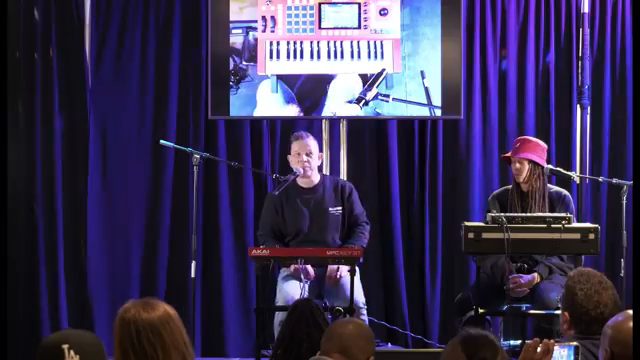
"Sound choice is so important right, you know we can get all tied up in the mixing process but be honest with you, for me it just doesn't matter."
© Screenshot/Quote: Akai Pro (YouTube)
Layering, Q-Links, and Workflow Tricks: Sculpting the Sound
"You can layer up to eight sounds on that one pad."
© Screenshot/Quote: Akai Pro (YouTube)
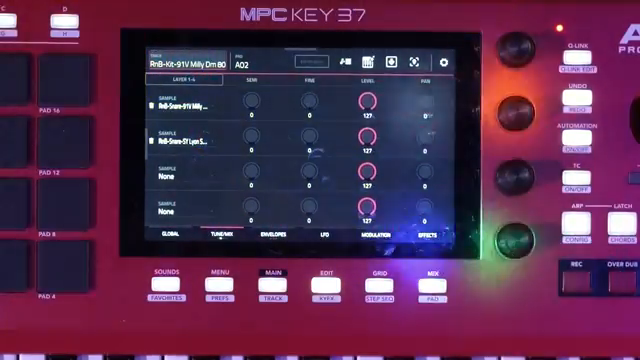
The session moves into more advanced territory with a focus on layering and real-time control. Andy demonstrates how users can layer up to eight sounds on a single pad, enabling complex drum textures and hybrid hits. This is not just about stacking for loudness, but about creating nuanced, evolving timbres that add character to the beat.
Q-links, the MPC’s assignable rotary encoders, are used for precise control over parameters like volume, pitch, and pan. Andy shows how these can be mapped to individual layers, allowing for quick adjustments without menu-diving. This hands-on approach to mixing and sound shaping keeps the creative flow uninterrupted.
Additional workflow tricks are highlighted, such as using offset controls to nudge layered samples for tighter or looser grooves, and employing pitch and pan modulation on hi-hats for subtle movement. These features exemplify the MPC Key 37’s commitment to both depth and immediacy, making it a tool for producers who want intricate results without sacrificing speed.
Resampling and Reworking: Evolving Melodies into New Tracks
A standout technique in the session is the use of resampling to breathe new life into existing material. Andy walks through the process of capturing a previously created melody or beat, re-sampling it internally, and then manipulating the resulting audio. This allows for creative re-interpretation—changing tempo, warping, chopping, and layering effects to build something entirely fresh from familiar elements.
The workflow encourages experimentation and iteration, with the MPC Key 37’s sampler and editing tools making it easy to transform and re-contextualize ideas. By resampling and reworking, producers can keep their creative process dynamic and avoid stagnation, turning every session into an opportunity for discovery.
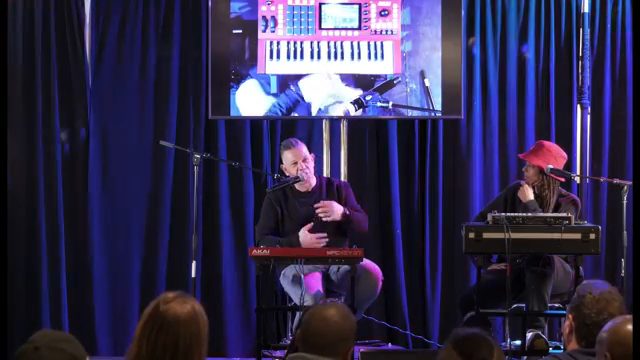
"It keeps you in the creative process. So, you're utilising everything that you play and resample what you do."
© Screenshot/Quote: Akai Pro (YouTube)
Maximizing Creative Output: One Sample Set, Many Tracks
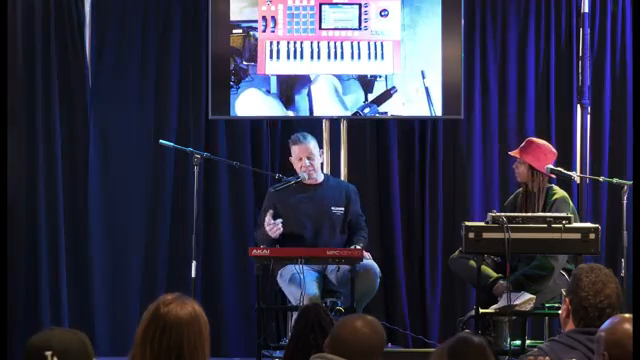
"Another thing I was taught was making, like, ten beats from the same set of samples, literally."
© Screenshot/Quote: Akai Pro (YouTube)
Andy Mac advocates for an efficient and identity-driven approach to production: making multiple tracks from the same set of samples. Rather than starting from scratch for every new idea, he suggests flipping and reusing sounds to generate a series of unique beats. This not only speeds up the workflow but also helps producers develop a recognizable sonic signature.
The video’s message is clear—by fully utilizing the palettes you’ve built, you can maximize your creative output and minimize redundant work. The MPC Key 37’s architecture supports this with robust sample management, easy track duplication, and flexible editing tools, making it a practical choice for producers who want to work smarter, not harder.
This article is also available in German. Read it here: https://synthmagazin.at/akai-professional-mpc-key-37-tracks-bauen-mit-layern-textur-und-workflow-finesse/
Watch on YouTube:
Latest articles
Watch on YouTube:
Visit the channel:
https://www.youtube.com/Akai_Pro
https://www.youtube.com/Akai_Pro
Links from Akai_Pro:
website: https://akaipro.com
instagram: https://instagram.com/akai_pro
facebook: https://www.facebook.com/AkaiPro
twitter: https://twitter.com/akai_pro
google_plus: https://plus.google.com/107127819149441645522/posts
Sponsored links:
If you purchase via these links, we may earn a small commission – at no extra cost to you. The link opens an Amazon keyword search, and results may vary depending on availability.
MPC Key 37
🔗 Check price on Amazon
🔗 Check price on Amazon