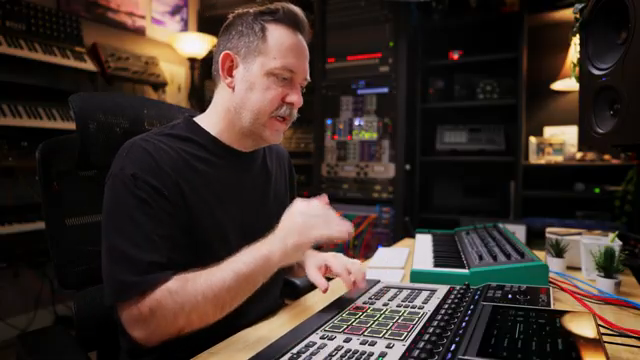
Akai Professional’s AIR Fabric Vintage Jup virtual instrument for MPC brings the unmistakable shimmer and depth of classic 1980s polyphonic analog synthesis into the digital age. In this official walkthrough, Akai’s channel dives deep into the architecture, modulation, and performance controls that set Vintage Jup apart—not just as a nostalgia box, but as a flexible, modern sound design tool. With advanced modulation, rich oscillator layering, and a robust effects suite, the video demonstrates how this synth engine can move from lush pads to biting leads with workflow efficiency. If you’re curious about how digital emulation meets hands-on MPC integration, this is a thorough, architecture-focused tour.
10. April 2026
LYRA
Akai Professional’s AIR Fabric Vintage Jup: 80s Polyphonic Lushness, Modern MPC Workflow
Vintage Jup: Classic Polyphony Reimagined
The AIR Fabric Vintage Jup is introduced as a new virtual instrument for the MPC platform, channeling the lush, wide character of a legendary 1980s polyphonic analog synth. Right from the start, Akai Professional positions this instrument as both a tribute and a modern workflow tool, emphasizing its integration within the MPC environment. The video host demonstrates how to load the plugin, highlighting the convenience of preset browsing and the immediate access to a collection of factory sounds.
Instead of focusing solely on nostalgia, the walkthrough jumps straight into initializing a patch, underscoring the shared architecture across the Fabric Vintage series. This means that once you learn Vintage Jup, you’re well-equipped to navigate its sibling instruments. The front panel offers direct access to key parameters—cutoff, resonance, oscillator balance, and effects—making it clear that this instrument is designed for both quick tweaks and deeper dives.
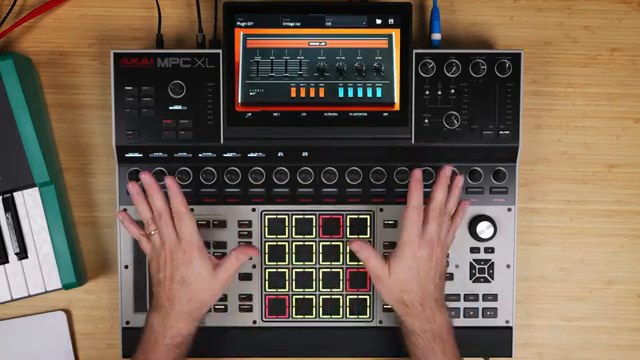
"All three of these instruments share similar architecture. So if you learn the Vintage Jupe, you're going to know the other instruments really well."
© Screenshot/Quote: Akai Pro (YouTube)
Oscillators, Modulation, and Effects: The Heart of Sound Design
"Whereas drift will actually shift and modulate the pitch over time."
© Screenshot/Quote: Akai Pro (YouTube)
Fabric Vintage Jup’s architecture is built around multiple oscillators, including two main oscillators, a sub, and a noise generator—each with their own set of controls. The video details the oscillator types, from classic saws and squares to unison and sample-based options, allowing for a wide palette of timbres. Notably, the formant, fine-tune, random pitch, and drift parameters enable nuanced detuning and stereo spread, giving the digital engine a convincingly analog instability. The sub oscillator offers shape-dependent detuning and pulse width modulation, while the noise generator includes pan and filter offset controls for further sculpting.
The modulation section is robust, with two LFOs per oscillator and a global LFO, each assignable to destinations like pitch, cutoff, resonance, amplitude, and pan. The LFOs feature a variety of waveforms, sync options, and fade-in controls, making complex modulation routings accessible. The effects section is equally comprehensive, with distortion (including amp, tube, vinyl, bit crusher, and more), dual modulation processors (flutter, wow, chorus, phaser, flanger), delay, reverb, EQ, compressor, and envelope followers. These tools aren’t just tacked on—they’re deeply integrated, with envelope-followed effects and pitch feedback enabling dynamic, evolving textures.
Polyphony, Performance Controls, and Creative Playability
A standout feature of Vintage Jup is its flexible polyphony and performance-ready control set. The global settings page lets users toggle between legato, retrigger, and dynamic polyphony modes, with up to six notes or dynamic allocation, and glide times that stretch up to 32 seconds for expressive transitions. Pitch bend ranges are generous, and the instrument supports both standard MIDI and MPE (MIDI Polyphonic Expression), opening up nuanced control for compatible controllers.
Performance modulation is handled through assignable destinations for mod wheel, aftertouch, expression pedal, and footswitch inputs, with real-time depth adjustments. The video demonstrates how aftertouch and LFOs can be mapped to pitch, cutoff, resonance, amp, and pan, allowing for tactile, expressive sound shaping. This integration of modern performance standards with classic synth architecture makes the instrument equally at home in DAWless rigs, live setups, and studio workflows.
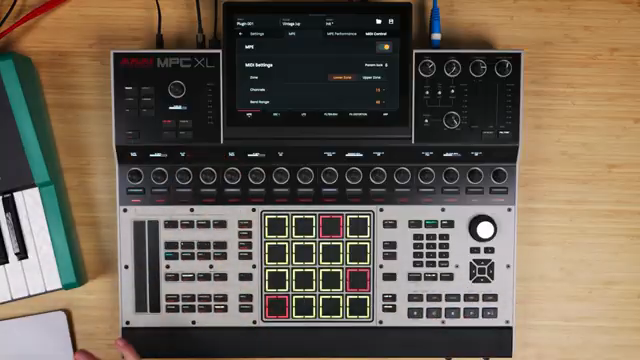
"If you're familiar with MPE, you have a bunch of options for controlling this stuff, the pressure, slide, destination, depth type of stuff."
© Screenshot/Quote: Akai Pro (YouTube)
Envelopes, LFOs, and the Arpeggiator: Versatility in Action
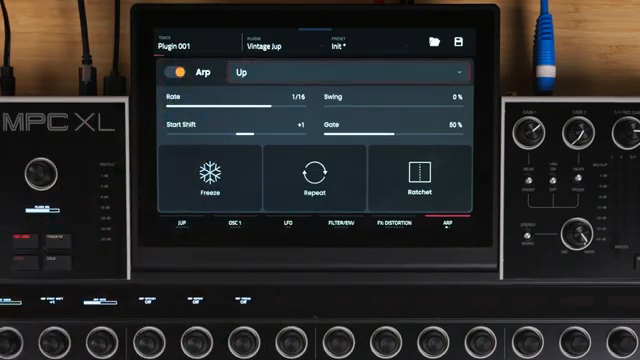
"Lastly, there is an arpeggio section, which does go pretty powerful."
© Screenshot/Quote: Akai Pro (YouTube)
The walkthrough spends significant time on the envelope and LFO sections, revealing a level of detail that supports both subtle and extreme sound design. Filter and amplitude envelopes feature attack, decay, sustain, fade, release, and even a unique ‘spike’ parameter for adding punch to the attack phase. Velocity sensitivity and velocity-to-attack mapping provide dynamic response to playing style, while the pitch envelope is bipolar and includes an attack bend for dramatic pitch sweeps or bass drops.
The arpeggiator section is particularly deep, with numerous patterns (up, down, bounce, phrase, etc.), gate and swing controls, start shift, freeze, repeat, and ratchet effects. The second page of the arp offers order modes, octave ranges, polyphony up to 16 notes, beat sync, repeat counts, and randomization of octave and pause. The video demonstrates how these tools can be combined for intricate, evolving sequences, highlighting the instrument’s potential for both classic arpeggios and modern generative textures.
Preset Showcase: Lush Pads, Space Plucks, and More
To wrap up, the video jumps into a tour of the included presets, moving through keys, organs, plucks, pads, strings, brass, basses, and leads. The sound examples emphasize the lush, spacious quality that defines the Vintage Jup engine, with particular attention to pads and analog-inspired textures. Each preset demonstrates how the engine’s layering, modulation, and effects come together to produce sounds that are both retro and contemporary.
While the video focuses on the sonic breadth and immediate playability of the presets, it’s clear that the underlying architecture supports deep customization for those willing to explore. The result is a virtual instrument that balances vintage character with modern flexibility, all within the MPC’s integrated workflow.
This article is also available in German. Read it here: https://synthmagazin.at/akai-professional-air-fabric-vintage-jup-80er-polyphonie-trifft-mpc-workflow/
Watch on YouTube:
Latest articles
Watch on YouTube:
Visit the channel:
https://www.youtube.com/Akai_Pro
https://www.youtube.com/Akai_Pro
Links from Akai_Pro:
website: https://akaipro.com
instagram: https://instagram.com/akai_pro
facebook: https://www.facebook.com/AkaiPro
twitter: https://twitter.com/akai_pro
google_plus: https://plus.google.com/107127819149441645522/posts
Sponsored links:
If you purchase via these links, we may earn a small commission – at no extra cost to you. The link opens an Amazon keyword search, and results may vary depending on availability.
AIR Fabric Vintage Jup
🔗 Check price on Amazon
🔗 Check price on Amazon