Woody Piano Shack lines up the Korg Monologue and Novation Bass Station 2 for a no-holds-barred analog synth face-off. Forget the marketing fluff—this is a direct, back-to-back sound shootout, with Woody’s trademark blend of dry wit and hands-on demo energy. If you want to know which box brings the real low-end thunder (and which one’s just flexing its plastic muscles), this is your jam. Expect brutal honesty, a few curveballs, and enough synth beef to fuel your next warehouse rave. Spoiler: the answer isn’t as obvious as you think.
20. February 2026
SPARKY
CHEAP SYNTH PHAT BATTLE: Woody Piano Shack Throws Down
Mono Mayhem: The Face-Off Begins
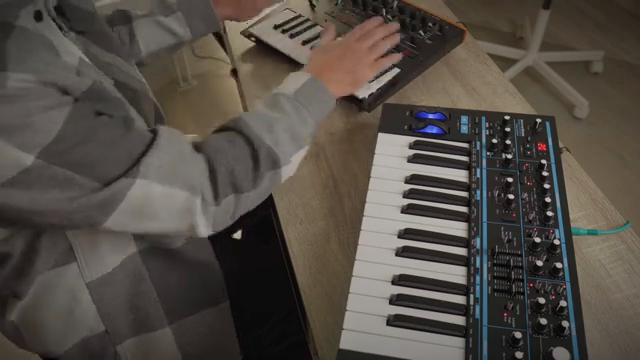
Woody Piano Shack wastes no time, slamming the Korg Monologue and Novation Bass Station 2 into a head-to-head, back-to-back demo. No endless menu diving—just pure, unfiltered sound comparisons. The Monologue gets its moment to strut, then the Bass Station 2 fires back, each synth flexing its fattest tones. It’s less a polite debate, more a synth cage match.
The verdict? Not so simple. Both machines pump out monstrous analog sounds, sometimes the Monologue edges ahead, sometimes the Bass Station 2 takes the crown. Woody’s approach is classic: let the gear speak for itself, and let your ears be the judge. If you want to hear which one truly slaps, you’ll need to catch the video—words alone can’t do justice to the sonic carnage.
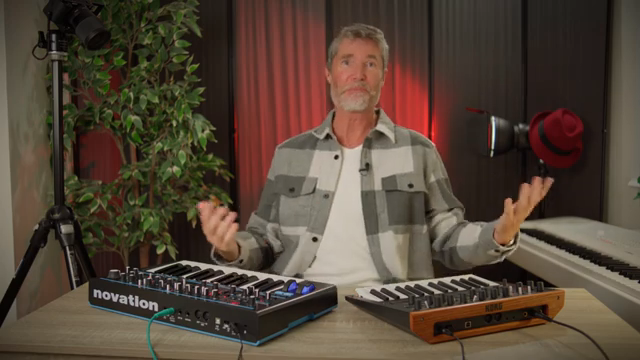
"Both can sound monstrously fat. That was pretty awesome."
© Screenshot/Quote: Woodypianoshack (YouTube)
Build, Feel, and Feature Fisticuffs
"This one has the aluminium front panel, feels really nice, cool to the touch, just feels premium."
© Screenshot/Quote: Woodypianoshack (YouTube)
Once the dust settles, Woody digs into what separates these two synths beyond the sound. The Monologue rocks mini keys, a slick aluminium front panel, and a wooden back—proper boutique vibes for a budget box. The Bass Station 2? All plastic, but tough enough to survive a night in a rave bunker. Both have solid knobs and switches, but the Monologue’s big filter knob is a tactile treat.
Feature-wise, the Bass Station 2 is the heavyweight: two oscillators plus a sub, multiple filter modes, and a more flexible envelope setup. The Monologue keeps it lean—one main envelope, one filter type, but a more hands-on, immediate interface. Woody’s not shy about calling out the quirks: sometimes less is more, sometimes you want all the toys. The build and feature set here are as different as a warehouse and a wine bar.
Price Tags and Power Moves
Here’s where things get spicy. The Monologue comes in at about half the price of the Bass Station 2—think £300 versus £500. That’s a big gap for anyone counting pennies. But you get what you pay for: the Bass Station 2 brings more oscillators, more filter options, and a chunkier feature list. It’s the synth equivalent of a Swiss Army knife, while the Monologue is more like a razor-sharp switchblade.
Woody’s breakdown is refreshingly honest. The Monologue’s compact form and premium feel are a win, but if you want deep sound design and extra muscle, the Bass Station 2 justifies its price. Still, if you’re after pure analog grunt on a budget, the Monologue is a street weapon that punches above its weight.
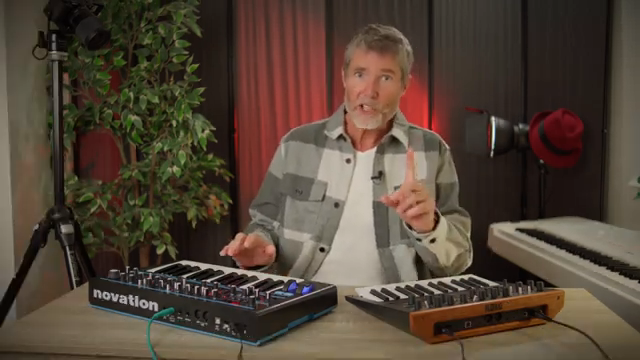
"This one is about half the price. This is a $300 synth, whereas this one is $500."
© Screenshot/Quote: Woodypianoshack (YouTube)
Performance Tricks and Sonic Playground
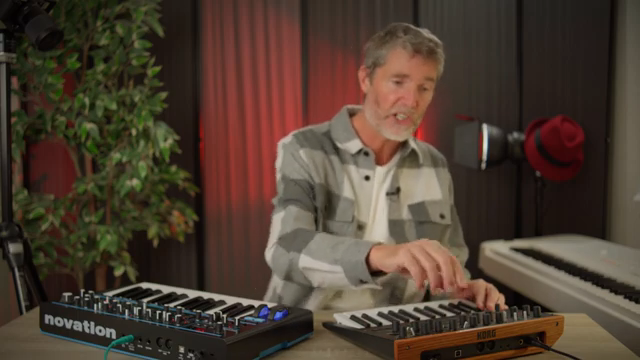
"You can record, for example, filter changes for every step, or slowly modulate parameters as you're recording. Incredible."
© Screenshot/Quote: Woodypianoshack (YouTube)
Woody dives into the performance and sound design arsenal of both synths. The Monologue’s sequencer is a highlight—16 steps, real-time parameter automation, and four lanes of motion sequencing. You can twist the sound per step, giving you wild, evolving patterns. The Bass Station 2 counters with a longer 64-step sequencer, but it’s more basic: no parameter automation, just note data.
Both synths have their quirks: the Monologue’s tiny oscilloscope screen is cute but not exactly useful, while the Bass Station 2’s aftertouch and dual envelopes open up expressive playing. Woody even points out the AFX mode on the Bass Station 2—a nod to Aphex Twin fans—where you can swap patches per step. If you want to see these tricks in action, you’ll need to watch the video; words can’t capture the full chaos of a live sequence morphing under Woody’s fingers.
Which Box Wins? You Decide
In the end, Woody doesn’t hand out gold medals. Both synths sound fantastic and bring their own flavour to the table. The Monologue is compact, immediate, and affordable; the Bass Station 2 is more capable and versatile. Woody leans slightly toward the Monologue for its form factor and sequencer, but admits the Bass Station 2 is the more complete instrument. The real winner? That’s up to you—and maybe your wallet.
This article is also available in German. Read it here: https://synthmagazin.at/cheap-synth-phat-battle-woody-piano-shack-im-analogsynth-duell/
Watch on YouTube:
Latest articles
Watch on YouTube:
Visit the channel:
https://www.youtube.com/WoodyPianoShack
https://www.youtube.com/WoodyPianoShack
Links from WoodyPianoShack:
Website: https://woodypianoshack.com
Patreon: https://patreon.com/woodypianoshack
Twitter: https://twitter.com/woodypianoshack
Instagram: https://instagram.com/woodypianoshack
Facebook: https://facebook.com/woodypianoshack
Sponsored links:
If you purchase via these links, we may earn a small commission – at no extra cost to you. The link opens an Amazon keyword search, and results may vary depending on availability.
Korg Monologue
🔗 Check price on Amazon
🔗 Check price on Amazon
Novation Bass Station 2
🔗 Check price on Amazon
🔗 Check price on Amazon